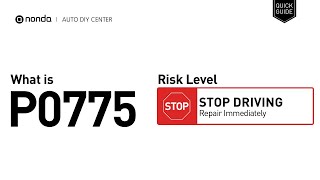
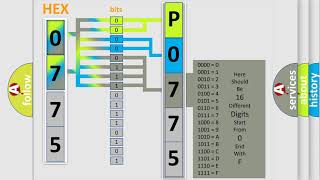
When you run into a P0775 code, what you're really looking at is a “Pressure Control Solenoid ‘B’ Malfunction.” Let me break it down the way I’d explain it to a buddy in the shop: your car’s PCM-the brain behind the scenes-is flagging a problem with one of your automatic transmission’s main solenoids, specifically the one labeled ‘B’. Think of these solenoids as little hydraulic gatekeepers, deciding how much fluid pressure gets sent to different parts of your transmission. That’s vital for keeping shifting smooth and the whole system running right. If Solenoid ‘B’ starts acting up, the transmission can’t handle fluid pressure like it should, and the whole operation gets thrown out of whack. You’ll notice this not just in how your car shifts, but also in throttle response and even how much gas you burn. When this code pops up, your car’s basically waving a flag saying, ‘Hey, I’m struggling to shift and manage power!’
DTC P0775
 5815
5815 6 minutes of reading
Causes and obd code P0775
After years chasing down p0775 in all sorts of makes and models, I can tell you it usually boils down to a handful of usual suspects. Nine times out of ten, the pressure control solenoid itself is shot, but don’t assume that right off the bat. Here’s what tends to trip this code most often:
- Pressure control solenoid ‘B’ itself has failed
- Transmission fluid is dirty, contaminated, or burnt
- Transmission filter’s clogged up
- Issues with the transmission pump not supplying enough pressure
- Problems in the valve body-think sticky valves or worn passages
- Blocked or restricted fluid passages inside the transmission
- Electrical gremlins: bad wiring or loose/corroded connectors to the solenoid
- Once in a blue moon, the PCM (your car’s computer) is the culprit
Here’s a pro-tip from the garage: always start with the basics-fluid and filter-before you start throwing expensive parts at the problem.
Symptoms and P0775 trouble code
When P0775 rears its head, you’re usually not left guessing. First sign? That dreaded check engine light. But things can get a lot more obvious from there. Usually, the transmission will go into what we call ‘limp mode’-your car locks itself in one gear to keep you moving, but it’s not exactly a fun ride. I’ve seen cars that slip when shifting, or just get stuck in gear altogether. Sometimes, you’ll feel the transmission overheating, or the engine starts running rough-almost like it’s misfiring. Don’t be surprised if your fuel mileage tanks, too. If you spot any of these, don’t sit on it-things can unravel fast if you ignore the warning signs.

Diagnosis and P0775 engine code
Whenever I get a P0775 on my scan tool, here’s the routine I follow. Start simple: pop the hood and check your transmission fluid. If it’s low, dark, or smells burnt, you’ve got your first clue. Next, don’t overlook the wiring-inspect the harness and connectors for anything loose, frayed, or corroded. If all looks good visually, plug in your scanner and see if there are any other codes lurking; sometimes, those extra codes point you straight to the real issue. Now, if you’re up for it, drop the transmission pan (if possible) and pull the filter-look for metal shavings or clutch material, which spell internal wear. Still stumped? Time for a multimeter: check the solenoid’s resistance and make sure it’s getting proper voltage at the connector. In some cases, I’ll use a scan tool to command the solenoid on and off, just to see if it reacts. Don’t be shy about asking for a hand if you’re not comfortable-transmissions are finicky, and a small mistake can cost you big.
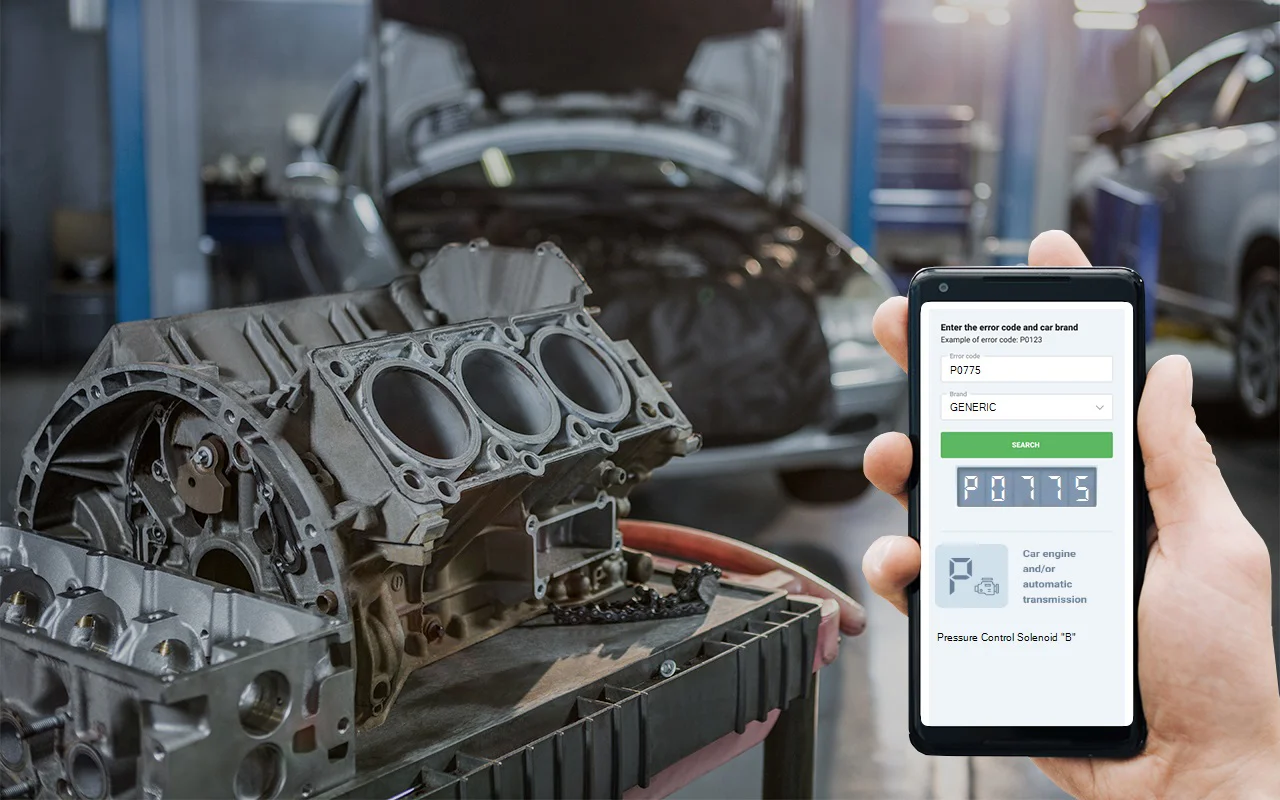
Common Mistakes and P0775
A classic mistake I see all the time is folks immediately swapping out the solenoid before checking the easier stuff. Don’t forget-dirty or old transmission fluid and a clogged filter can mimic a bad solenoid, and fixing those is much cheaper. Another trap? Ignoring the wiring and connectors. Corroded, loose, or broken wires can make your transmission act up just like a failed solenoid. And here’s a big one: skipping a full scan for related codes. Sometimes, the root problem is upstream and you’ll miss it if you don’t check. Take your time, work through each step, and don’t throw parts at the car until you’ve covered your bases.

Seriousness and obd2 code P0775
Let me be blunt: if you leave P0775 alone, you’re playing with fire. Without proper pressure control, your transmission isn’t just going to shift rough-it’s at risk for some real damage, like cooked valve bodies, worn clutches, or even a shot pump. Overheating is a real threat, and that’s a one-way ticket to a full rebuild. And don’t forget, if your car drops into limp mode in traffic, you’re looking at a safety hazard. This isn’t one of those codes to ignore; get it checked before you’re stuck with a much bigger repair bill.
Repair and dtc P0775
Once you’ve tracked down what’s causing P0775, here’s how I tackle it in the shop:
- If the fluid’s burnt or dirty, do a full transmission fluid and filter service. Don’t just top it off-flush it and start fresh.
- If your testing shows the solenoid’s bad, swap out pressure control solenoid ‘B’-always go OEM if you can.
- Repair or replace any busted wiring or sketchy connectors you found during your inspection.
- If the valve body is gummed up or sticking, it’s time to clean or rebuild it-don’t cut corners here.
- In rare situations, if the pump or PCM is toast, you’ll need to replace those, but that’s pretty uncommon.
Conclusion
To wrap it up, P0775 means your transmission’s struggling to keep hydraulic pressure in check, all because Solenoid ‘B’ isn’t doing its job. Ignore this, and you’re asking for bigger headaches and a much lighter wallet. Check your fluid, filter, and wiring first-they’re quick wins and often the fix. If those are solid, then dig deeper into the solenoid or valve body. Jump on it early, and you’ll save yourself from a world of trouble down the line.