
P0777 trouble code Causes
From experience, the most common reasons I see for a p0777 code are:
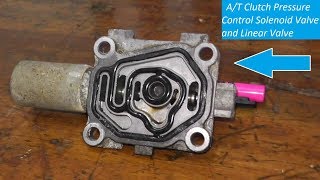
- A faulty pressure control solenoid “B” itself-this is often the main culprit.
- Dirty or contaminated transmission fluid, which can cause the solenoid to stick or not move freely.
- A clogged transmission fluid filter, restricting the flow and causing pressure issues.
- Problems with the transmission pump, which supplies the hydraulic pressure.
- Issues in the transmission valve body, where the solenoids are mounted and fluid passages can get blocked.
- Electrical problems, like damaged wiring or poor connections to the solenoid.
- In rare cases, a malfunctioning powertrain control module (PCM).
Most often, it’s either the solenoid itself or something causing it to get stuck, like dirty fluid or a clogged filter.
obd2 code P0777 Symptoms
If you’ve got this code, you’ll notice the warning signs pretty quick. First, the check engine light will stare you down. Then, shifting just won’t feel right-maybe it’s refusing to move out of one gear, the shifts are harsh, or there’s a noticeable delay. Sometimes the car will throw itself into ‘limp mode’ to prevent further damage, which means it limits the power and shifting. You might also feel the transmission running hotter than usual, or even see a dip in your gas mileage. Any of these clues mean your transmission’s not happy, and it’s time to dig in.

P0777 engine code Diagnosis
Here’s how I usually tackle a p0777 code, step by step:
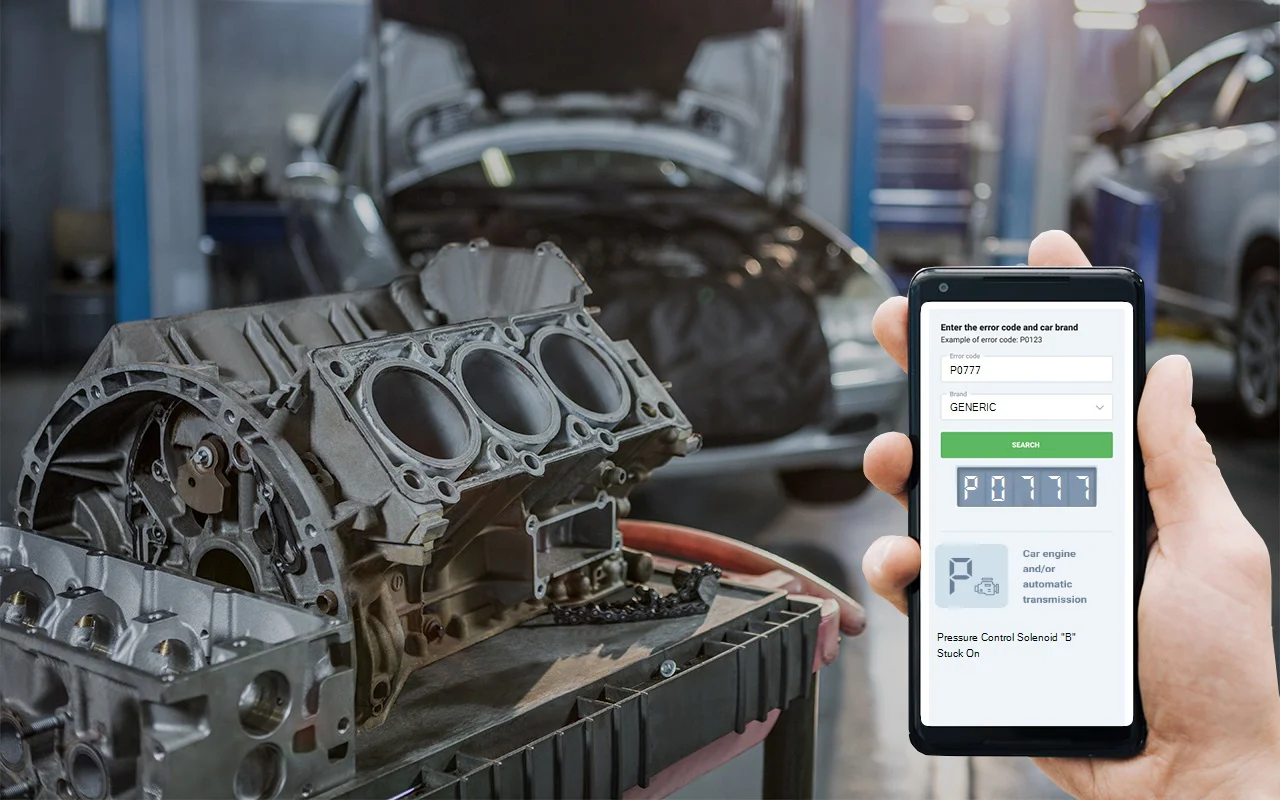
- First, I connect a scan tool to confirm the code and check for any related codes that might give more clues.
- Next, I check the transmission fluid level and condition. If it’s dark, burnt, or gritty, that’s a red flag-dirty fluid can cause solenoids to stick.
- I always inspect the transmission fluid filter for clogs. If it’s blocked, it can starve the solenoid of fluid and cause pressure problems.
- Then, I move on to a visual inspection of the wiring and connectors going to the solenoid. Look for damaged wires, loose plugs, or corrosion-these can cause electrical issues.
- If everything looks good so far, I’ll use a multimeter to check the resistance of the solenoid circuit. Out-of-spec readings usually mean the solenoid is faulty.
- If I still haven’t found the issue, I’ll check the transmission valve body for blockages or sticking valves, and make sure the transmission pump is working correctly.
- It’s better to have someone assist you if you’re not comfortable working under the car or with electrical tests. Don’t forget to consult your vehicle’s service manual for the exact specs and procedures.
It’s best to start with the simple stuff-fluid and wiring-before diving into the transmission itself.
dtc P0777 Common Mistakes
A classic mistake I see is folks yanking out the solenoid right away, thinking it’s the only thing that could be wrong. Nine times out of ten, it’s just dirty fluid or a plugged filter causing the issue. Another thing I’ve noticed is people overlook the wiring-something as simple as a corroded connector or frayed wire can send you on a wild goose chase. Here’s a pro-tip from the garage: Always start with the basics before you open your wallet for expensive parts. Double-check everything before you commit to a big repair.

P0777 code Seriousness
Let me be straight with you-this isn’t a code to ignore. Driving around with a stuck solenoid can lead to overheating, slipping, or your transmission refusing to shift at all. That’s not just uncomfortable-it’s a recipe for getting stranded or racking up a hefty repair bill if you cook your transmission. I’ve seen transmissions go from bad to worse in a hurry when this code is left unchecked. Take it seriously and get it sorted out before things spiral.
P0777 Repair
Whenever I’m fixing a p0777 code, here’s what I recommend:
- If the fluid’s dirty or smells burnt, do a full transmission fluid and filter change first. Sometimes that alone fixes the problem.
- If you confirm the solenoid’s bad, replace it with a good-quality OEM part-don’t skimp here.
- Repair or replace any damaged wiring or connectors you found during inspection. Electrical gremlins can be sneaky.
- If you find blockages in the valve body or sticky valves, a thorough cleaning or even a rebuild might be needed-this is where some specialized tools and knowledge come in handy.
- On rare occasions, if the PCM is to blame, you might need to reprogram or swap it out-but leave that as a last resort.
Always follow the factory service manual for your specific make and model. And if you’re not comfortable working inside a transmission, don’t hesitate to get help from someone who does this for a living-it’ll save you headaches and money.


Conclusion
Bottom line, when you see P0777, your transmission’s pressure control solenoid “B” is stuck on-and your car’s trying to tell you something’s wrong. The smart move? Start by checking the fluid and wiring, then look closer at the solenoid and valve body if needed. Don’t ignore it, because this code can mean serious trouble fast. Fix the root issue-whether that’s dirty fluid, a bad solenoid, or a wiring problem-so you can keep your transmission healthy and avoid much bigger problems down the road. That’s the kind of proactive approach that saves you time, money, and a whole lot of frustration.
 6034
6034 5 minutes of reading