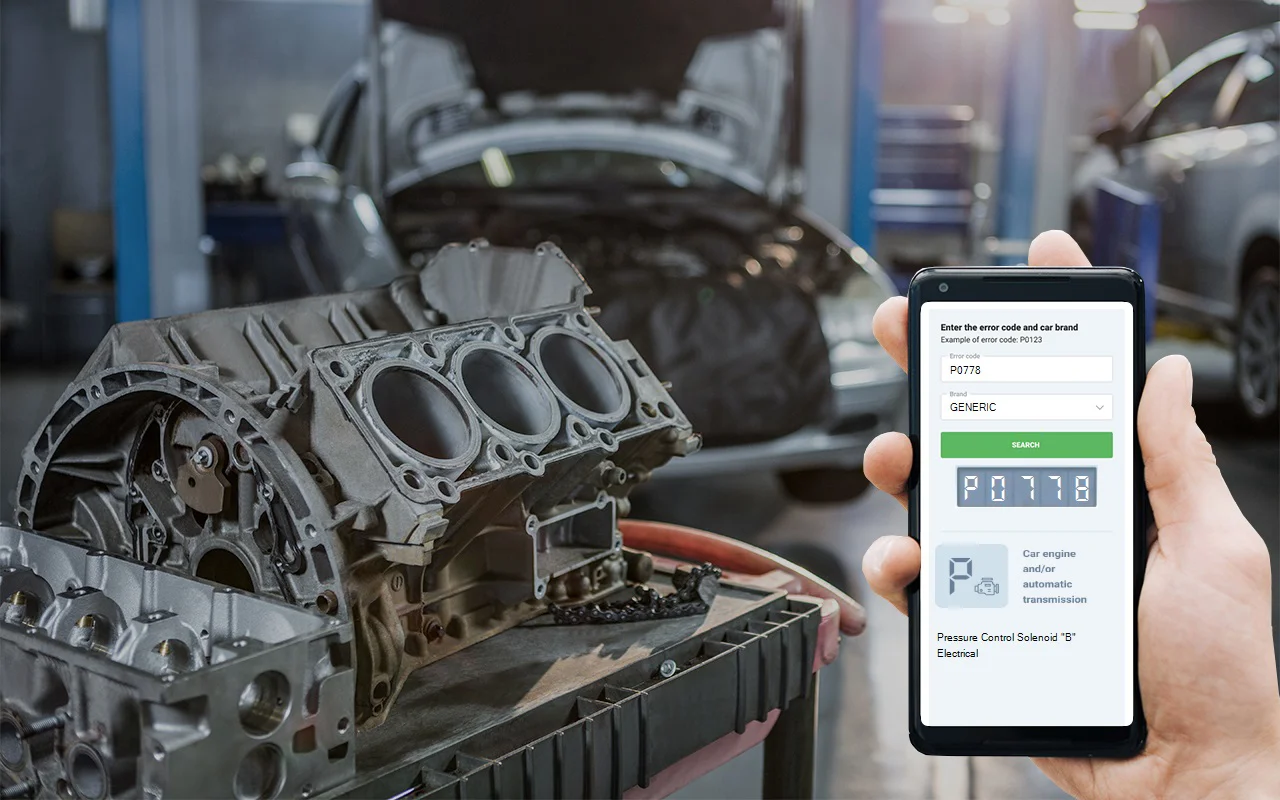
Let me give it to you straight: when you see P0778 pop up, your car’s throwing up a red flag about the pressure control solenoid 'B' in the automatic transmission. Over the years, I’ve seen this little component cause a world of headaches if it starts acting up. Here’s what’s going on-your powertrain control module (PCM), basically your vehicle’s brain, watches over this solenoid because it’s the one responsible for managing the pressure of your transmission fluid so shifts are smooth and on time. I always tell folks to picture it as the traffic cop directing fluid where it needs to go. If that solenoid isn’t doing its job, the PCM loses control of how and when the transmission shifts. Next thing you know, the car’s not behaving right. It’s all about getting the right signal at the right time; any misstep, and the PCM logs that P0778 code, and, sure enough, your check engine light blinks on. That’s your cue something’s not adding up inside the transmission.
DTC P0778
 4188
4188 6 minutes of reading
Causes and P0778 code
Let me tell you, when you’re dealing with a p0778-especially on a Toyota-there’s a short list of usual troublemakers that I always check first. Most of the time, it’s nothing too wild, but every so often you’ll get a doozy. Here’s what I see time and again:
- Low transmission fluid-believe it or not, this is one of the most common and overlooked issues.
- Pressure control solenoid fails-either it gives up mechanically or goes bad electrically.
- Transmission control module acting up-doesn’t happen every day, but it’s on my radar.
- Internal transmission wear-think tired clutch packs or a valve body that’s seen better days.
- Filter clogged with gunk-restricting fluid flow and causing all sorts of pressure weirdness.
- Wiring gremlins-corroded plugs or busted wires leading to the solenoid.
- Valve body hang-ups-sticky valves or debris causing blockages.
My advice? Always start with the basics-fluid and simple inspections-before diving into the deep end.
Symptoms and dtc P0778
If dtc p0778 toyota is haunting your dashboard, you’ll notice some telltale symptoms. These aren’t hard to spot if you know what to look for:
- Check engine light’s on-sometimes that’s the only hint you’ll get at first.
- Transmission slips or feels like it’s hunting for a gear but can’t quite grab it.
- Your car might lock itself into one gear (limp mode) to keep from doing more damage.
- Fuel economy takes a nose dive-shifts are off, so your engine’s working overtime.
- Transmission overheating-keep pushing it, and you’re looking at even bigger repair bills.
Take my word for it: don’t ignore these signs. Letting it slide can turn a manageable repair into a transmission nightmare.

Diagnosis and P0778
When I’m staring down a P0778, I always work methodically. Here’s how I tackle it, step by step:
- Start with the transmission fluid-check both the level and the color. Car needs to be level, engine at temp. Low or burnt-smelling fluid? That’s a smoking gun right there.
- Next, I’ll get under there and eyeball the wiring and connectors for the pressure control solenoid. Corrosion, loose pins, cracked insulation-anything that looks out of place gets my attention.
- If the wires check out, I grab my scan tool and see if I can command the solenoid on and off. No response? That’s a big clue.
- Sometimes, I’ll pull the transmission pan to look for metal bits or burnt fluid-those mean trouble inside.
- If I’m still not sure, I’ll break out the multimeter and ohm out the solenoid, making sure it matches the factory specs.
- If everything so far looks good, I start hunting for valve body or deeper internal issues. At this stage, you might need someone with heavy transmission experience.
It’s always safer to have backup-especially when you’re under the car with hot fluid and tight quarters.
Common Mistakes and P0778 engine code
After all these years, I’ve watched plenty of folks make the same mistakes with p0778. Skipping the fluid check tops the list-people go straight for expensive parts, missing that the root cause was low or nasty fluid. Another classic blunder is overlooking the wiring. I’ve seen more than one person swap out a solenoid, only to find out later it was a corroded connector all along. And don’t get me started on folks who replace the entire transmission when a clogged filter was to blame. Here’s my advice: double-check the basics before you open your wallet.

Seriousness and P0778 trouble code
This code isn’t one for the ‘ignore it and hope’ category. A bad pressure control solenoid can leave you with harsh banging shifts, slipping gears, or-worst case-no movement at all. Keep driving like that, and you’ll overheat the transmission or fry the clutch packs. I’ve seen transmissions written off because someone kept driving in limp mode or ignored repeated overheating. Bottom line: the sooner you tackle it, the less pain your bank account (and your car) will feel.
Repair and obd code P0778
Once you’ve zeroed in on what’s causing the problem, fixing it is usually pretty straightforward:
- Top up or swap out the transmission fluid if it’s low or looks dirty.
- If the pressure control solenoid’s shot, replace it-this is a common fix in my shop.
- Patch up or replace any sketchy wiring or connectors you found in the inspection.
- If the filter’s clogged, swap it and give the pan a good cleaning.
- For internal or valve body problems, you might be looking at a bigger job-sometimes even a rebuild.
- In those rare cases where the transmission control module’s the culprit, replacement or reprogramming is your answer.
Always stick with OEM parts and follow the steps in your car’s service manual for the best results.
Conclusion
Here’s the bottom line: when you see P0778, your transmission’s pressure control solenoid isn’t pulling its weight, and that spells trouble for shifting, cooling, and overall transmission health. Don’t put off repairs hoping it’ll sort itself out-it won’t. Start simple with fluid and wiring checks, and work your way through methodically. If you stay on top of it, you’ll dodge major headaches and save yourself a hefty repair bill down the line. Trust me, a little effort now beats a full transmission rebuild later every time.