
Causes and P0786 engine code
From my time under the hood, these are the usual suspects when you’re chasing down a P0786:
- The shift timing solenoid “A” itself is faulty or damaged-hands down, this is the big one.
- ATF that’s seen better days-dirty, contaminated, or just plain old fluid can gum up the works and cause the solenoid headaches.
- Low ATF level-if there isn’t enough fluid, the solenoid doesn’t stand a chance of working like it should.
- Clogged ATF passages-sludge and debris can choke off fluid flow inside the transmission.
- Wiring harness issues-broken, melted, or corroded wires and connectors are more common than you’d think, especially in older vehicles.
- TCM or ECM problems-these control modules don’t fail often, but when they do, they can throw codes like this.
- Connector or pin trouble-corrosion, bent pins, or loose plugs can make the solenoid act up.
What I’ve often found is that it’s a combination of wear, age, and skipped maintenance that brings these problems to the surface.
Symptoms and obd2 code P0786
If p0786 pops up, your transmission’s probably letting you know in some pretty obvious ways. Here’s what I hear from drivers most often:
- The transmission gets stuck in a single gear or just refuses to shift.
- Shifting feels rough, almost like the car’s fighting you, or there’s a big delay between gears.
- You’ll notice the engine revs rise, but the car doesn’t pick up speed like it should-classic slipping.
- There might be a lag or hesitation every time the transmission tries to change gears.
- Acceleration suffers, and the whole car feels sluggish.
- That dreaded check engine light or sometimes a transmission warning light will come on.
Trust me, these symptoms can make driving a real pain, and if you ignore them, things only get worse.

Diagnosis and dtc P0786
Here’s my step-by-step when I’m troubleshooting a P0786 code:
- First thing’s first: check for any Technical Service Bulletins (TSBs) for your make and model. Manufacturers sometimes know about recurring issues and have fixes ready to go.
- Next up, inspect the transmission fluid. I always look at the color, sniff for anything burnt, and check the level. If the fluid’s dark or smells burnt, that’s a warning sign. Remember to check fluid with the engine running, car level, and always follow your owner’s manual for your particular vehicle.
- If fluid checks out, I move on to the shift timing solenoid and wiring. Some vehicles let you access the solenoid from outside the transmission. I look for damaged wires, corroded connectors, or loose plugs. Any leaks or broken clips? Fix those first.
- If the solenoid’s tucked inside the transmission, my honest advice: don’t try opening it up at home. Internal transmission work can get messy fast-let a pro handle it.
- For the solenoid itself, I’ll grab my multimeter and test its resistance. The right spec will be in your service manual. If it’s off, you’ve likely found your culprit. Sometimes I’ll bench test it, applying voltage to make sure it clicks and moves properly.
- Lastly, I check the wiring from the TCM to the solenoid-looking for any shorts, open circuits, or loss of continuity. This pinpoints whether you’re dealing with a bad solenoid, faulty wiring, or a control module problem.
Here’s a pro-tip: have a helper when you’re doing these checks, especially for electrical tests or if you’re not used to working around transmissions.
Common Mistakes with P0786 code
I can’t count how many times I’ve seen these classic slip-ups when folks tackle this code:
- Skipping the fluid check-old or low fluid is a top cause, and it’s easy to overlook.
- Jumping straight to replacing the solenoid without even glancing at the wiring or connectors-sometimes it’s just a loose wire causing all the fuss.
- Not checking TSBs-these bulletins can point you right to a known fix and save you a headache.
- Trying to dive into the transmission without the right know-how or tools-one wrong move can turn a small issue into a major repair.
Take it from me: always start with the basics before you shell out for parts or get in over your head.

Seriousness of P0786 trouble code
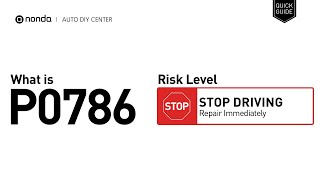
Let me be blunt-this isn’t a code you want to put off. Driving with P0786 can snowball into major transmission damage in no time. Keep at it, and you risk burning up clutches, trashing internal gears, and facing total transmission failure. I’ve seen folks ignore the warning and end up stranded or stuck with a massive repair bill. Plus, if your car can’t shift right in traffic, you’re putting yourself and others in danger. Bottom line: get this fixed as soon as you can. The risks just aren’t worth waiting.
Repair advice for P0786
Here’s the approach I use when fixing a P0786:
- If the ATF’s dirty or smells burnt, flush it out and replace it with fresh fluid that matches your manufacturer’s specs. Sometimes just a fluid and filter change does the trick.
- If the fluid’s low, top it up and hunt down any leaks-repair them before topping off again.
- Fix or replace any bad wiring, corroded connectors, or damaged pins leading to the solenoid.
- If the solenoid fails resistance or bench testing, swap it out. On some cars, you can do this without dropping the whole transmission.
- If the TCM or ECM is the problem, it might need reprogramming or replacement-but in my experience, that’s rare compared to other causes.
- Clear the code, then take the car for a test drive to make sure everything’s back to normal and the code stays gone.
Don’t forget: always follow your vehicle’s service manual. That’s your roadmap to getting things right the first time.



Conclusion
So here’s the takeaway: when you see a P0786 code, you’re dealing with a shift timing solenoid “A” problem that’s messing with your automatic transmission. It’s not a minor hiccup-ignore it, and you could be looking at expensive, even catastrophic, transmission damage. The smart play is to start simple: check your ATF, inspect wiring, and only move to the solenoid itself if those are in order. And if you’re not comfortable under the hood, don’t be shy about getting help from a pro. Acting fast is your best bet to keep your ride shifting smooth and your wallet intact.
 6695
6695 6 minutes of reading