
Most Common Causes for P0794
From my time under the hood, these are the main culprits behind a P0794 code:
- The intermediate shaft speed sensor itself goes bad or gets damaged. This little guy’s responsible for reading the shaft speed.
- Wiring or connector issues between the sensor and TCM/ECM-could be anything from broken wires and loose terminals to a bit of pesky corrosion.
- Occasionally, the TCM or ECM is the problem, but that’s not as common as folks think.
- Other related sensors or solenoids acting up-like the input or output shaft speed sensors, or even a sticky shift solenoid.
- Automatic transmission fluid (ATF) that’s dirty, burnt, or running low. You’d be amazed how often bad fluid scrambles sensor readings and stirs up trouble.
Honestly, most of the time it’s either the sensor itself or a simple wiring hiccup. That said, I always tell people to check their fluid first-it’s quick, and could save you a wild goose chase.
Recognizing Symptoms of dtc P0794
If you’re driving around with this code stored, here’s what you’ll likely notice. First off, that check engine light will blink at you, but don’t be surprised if traction control, ABS, or stability control lights join the party. From what I’ve seen, drivers usually gripe about rough or abrupt shifting, the transmission refusing to upshift or downshift, or the engine revving oddly. Sometimes, you’ll get stuck in ‘limp’ mode-your car limits power to keep from chewing itself up. If you catch any of these warning signs, don’t just shrug it off.

Step-by-Step Diagnosis for P0794 Trouble Code
When I’m chasing down a P0794, here’s my go-to process:
- Start by checking your transmission fluid. Make sure it’s topped off and clean-if it smells burnt or looks dirty, you’ve found your first red flag. A quick whiff is all it takes; burnt fluid has a smell you won’t forget.
- If the fluid’s good, track down the intermediate shaft speed sensor. Usually, it’s right on the transmission housing, but sometimes you’ll need to move the airbox or a wiring harness to get a good look.
- Once you’ve got eyes on it, inspect the sensor and its connector closely. Look for frayed wires, loose plugs, or any crusty corrosion. Make sure all connections are nice and snug.
- If it’s easy to pull out, I always remove the sensor and clean it up with some brake cleaner and a rag. Metal shavings or road grime can throw off the readings. If you see a bunch of debris, that’s usually your smoking gun.
- While you’re at it, check for visible damage or wear on the sensor. If it looks chewed up, it might be rubbing against something inside the transmission, which is a whole different ballgame.
- Grab a multimeter and check the sensor’s electrical values against what the manufacturer calls for. If you’re comfortable, test continuity from the sensor all the way to the TCM/ECM connector. That’s a solid way to rule out wiring issues.
- If you’ve checked all this and the code keeps coming back, it’s time to start looking into the TCM or other related sensors, but that’s usually the last thing I consider.
Pro-tip: having a second set of hands helps-especially when you’re chasing down wiring or pulling tight connectors. And always double-check which sensor you’re working on-modern transmissions can have a handful, and it’s easy to mix them up.
Common Mistakes When Addressing P0794 Code
A classic mistake I see is folks skipping the fluid check. Bad or low fluid can send you on a wild goose chase for electrical gremlins that aren’t really there. Another one? Swapping out the sensor before looking at the wiring or connectors-a loose plug or some green corrosion can be the real culprit. People also toss in a new sensor without even wiping off the old one, when a simple cleaning could’ve done the trick. And don’t overlook other codes that might be stored-sometimes the real problem is hiding in plain sight with another sensor or solenoid.

How Serious Is a P0794 Engine Code
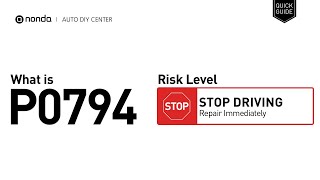
Let me level with you: this isn’t the kind of code you want to ignore. Sure, your car might limp along for a bit, but if you let it go, you’re risking serious damage. If that sensor’s not feeding good data, your transmission could slam gears or shift at the wrong times, and all that extra strain can wreck clutches, bands, or even fry the TCM. Worst case? You’re stranded or staring down a sky-high repair bill. So, yeah, treat this one as a moderate to serious problem-don’t sit on it.
Repair Solutions for OBD Code P0794
Here’s what’s worked best for me fixing a P0794:
- Swap out the intermediate shaft speed sensor if it tests bad or shows obvious damage.
- Repair or replace any suspect wiring or connectors between the sensor and TCM/ECM. Don’t ignore the little stuff-one broken wire can ruin your day.
- Give the sensor a solid cleaning, and make sure there’s no metal debris or gunk messing with it.
- If your transmission fluid is shot-dirty, burnt, or low-change it out along with the filter. Sometimes that’s all it takes.
- In rare situations, you might have to repair or swap the TCM or another related sensor, but that’s seldom the first step.
Personally, I always start with the basics-fluid, cleaning, and wiring-before I reach for a new sensor or start digging deeper.

Conclusion
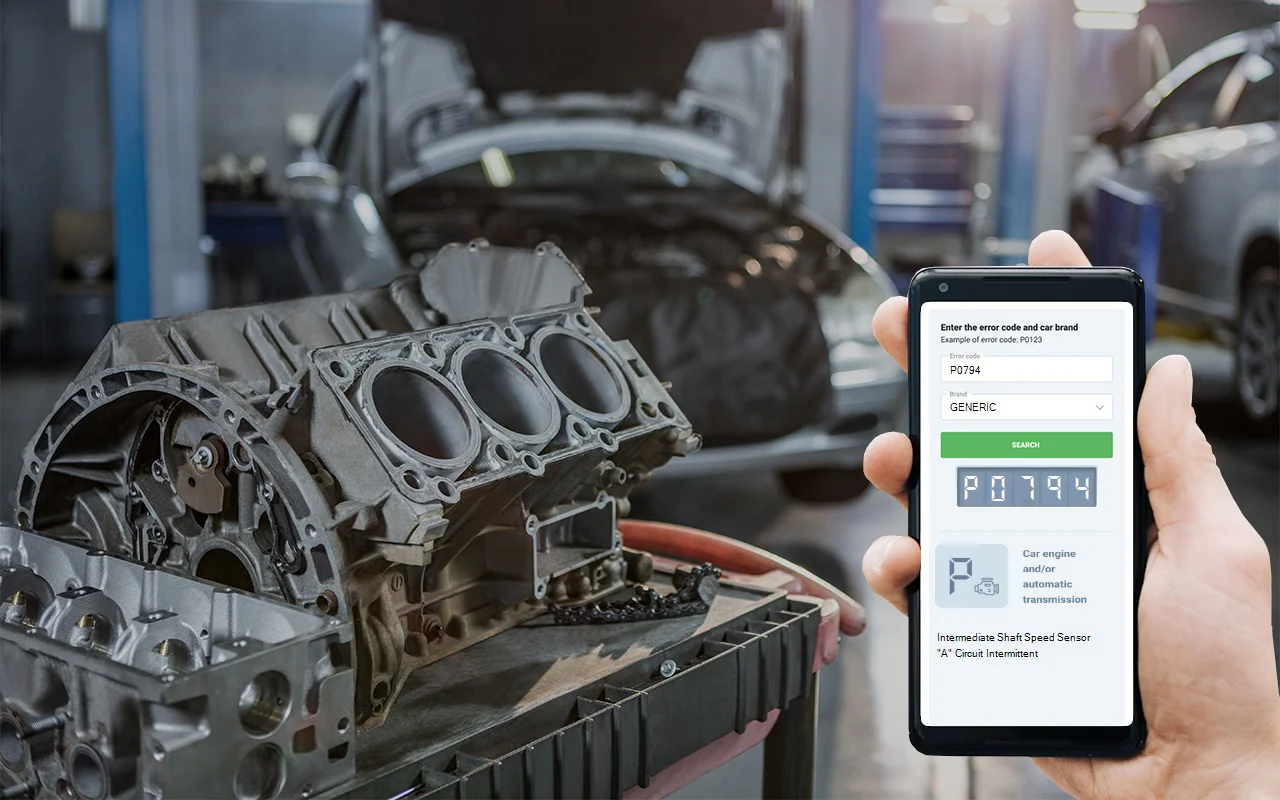
Here’s the bottom line: P0794 means your transmission’s not getting a solid reading from the intermediate shaft speed sensor. That messes with shifting and can make your car a pain to drive. It’s not the worst code out there, but ignore it and you’ll be in for a world of trouble. Start simple-check the fluid, clean the sensor, inspect the wiring-before throwing parts at the problem. The sooner you tackle it, the better. And if you’re feeling out of your depth, don’t hesitate to call in a pro. It’s always better to get ahead of these problems than chase them down later.
 3194
3194 6 minutes of reading