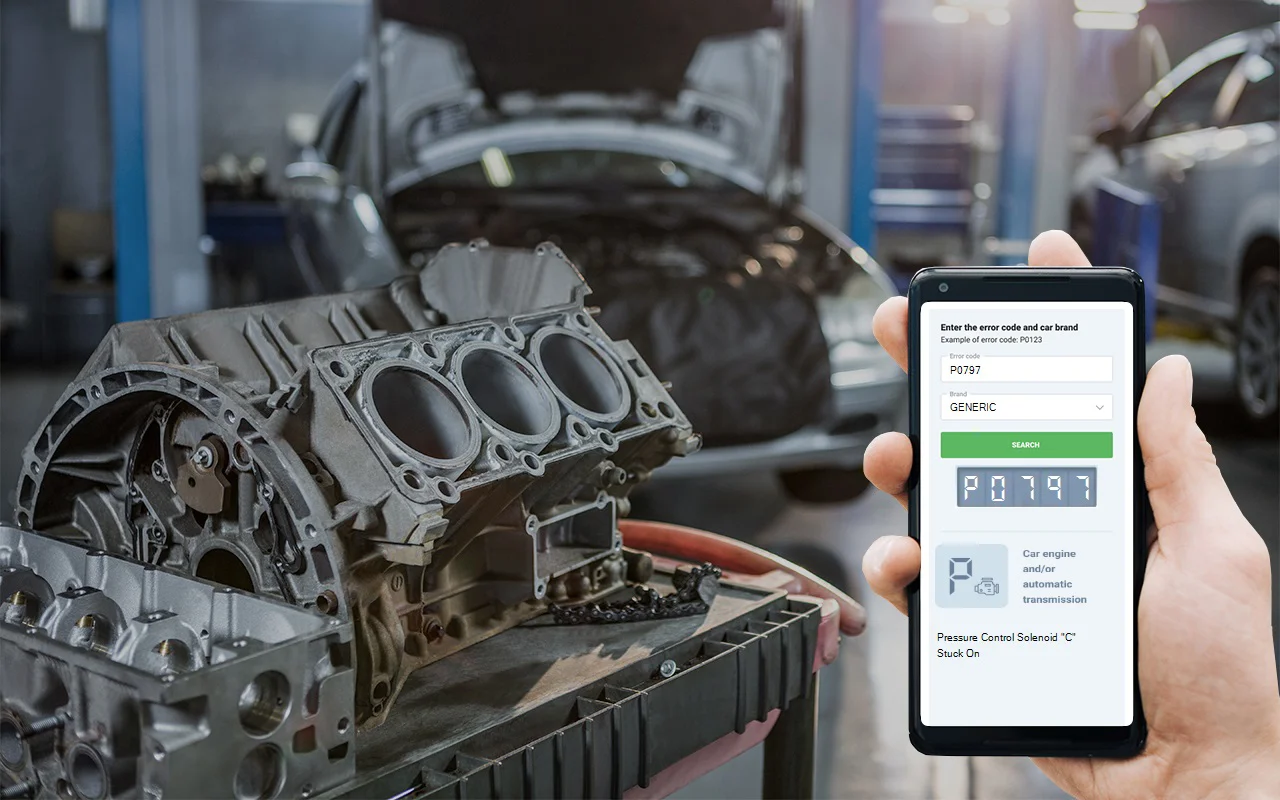
When you see the P0797 code show up, your car’s computer-the PCM-is flagging an issue with the transmission pressure control solenoid “C.” Now, I’ve seen this many times in the shop, and in simple terms, that solenoid is one of the main players making sure your automatic transmission shifts smoothly. It does that by managing the pressure of the transmission fluid. Most automatics, whether you’re driving a Ford, Chevy, Toyota, or Honda, have at least three of these solenoids: A, B, and C. If solenoid C starts acting up-maybe it gets stuck or just gives up-the PCM throws the P0797 code and often lights up your Check Engine light. These solenoids are vital because they direct just the right fluid pressure to the right spot in the transmission, letting your car shift gears right when it needs to. If solenoid C fails, gear shifts can get rough, delayed, or even stop altogether. And trust me, I’ve seen this code on just about every brand out there-nobody’s immune.
DTC P0797
 4005
4005 6 minutes of reading
Causes of P0797
From experience, the most common reasons I see for a p0797 code are:
- A faulty pressure control solenoid C (it can get stuck or just fail electrically)
- Dirty or contaminated transmission fluid (old fluid can gum up the works)
- A clogged or dirty transmission filter
- A failing or weak transmission pump
- Problems inside the valve body (the part that directs fluid inside the transmission)
- Blocked or restricted hydraulic passages
- Corroded or damaged electrical connectors
- Broken or frayed wiring to the solenoid or PCM
- In rare cases, a malfunctioning PCM itself
Most often the issue is with the solenoid itself or the fluid being dirty, but I’ve seen wiring and connector problems cause just as much trouble. It’s best to start with the basics before jumping to conclusions.
Symptoms and obd2 code P0797
When this code is active, here’s what you’re likely to notice behind the wheel:
- The transmission may slip or hesitate when shifting
- You might feel the car get stuck in a single gear (sometimes called ‘limp mode’)
- Shifts can feel harsh or delayed
- The transmission could overheat
- Your fuel economy might drop
- The Check Engine light will almost always be on
In some cases, you might even notice the engine running rough or misfiring, but that’s less common. If you’re seeing any of these, it’s time to get things checked out-ignoring them can make the problem much worse.

Diagnosis steps for P0797 engine code
Whenever a P0797 code lands on my desk, I stick to a tried-and-true routine:
- First thing I do? Check for any Technical Service Bulletins (TSBs) tied to your car’s make and model. Manufacturers sometimes already know about a pattern and have a fix ready-it can save you hours of frustration.
- Then I pull the service records. Has the transmission fluid or filter been changed lately? Old or filthy fluid will cause trouble more often than you’d think.
- Next up, I pop the dipstick and check the fluid level and condition. If it’s low, burnt, or dark, you’ve probably found your culprit. That burnt smell is a dead giveaway.
- After that, I get eyes on the wiring and connectors leading to the solenoids and PCM. I’m looking for frayed wires, corrosion, or loose plugs. Don’t skip this step-a lot of folks do, and it bites them.
- If all that checks out, I’ll use a scan tool to cycle the solenoid on and off. If the solenoid just sits there and ignores the command, it’s either faulty or something’s up with the wiring.
- For a deeper dive, I’ll grab my multimeter and test the solenoid’s resistance and check for continuity in the wiring. If you don’t see a reading close to zero ohms, you’re looking at a break or short somewhere.
- If all the electrical stuff looks good, then it’s time to start thinking about the transmission pump and valve body-blockages, wear, or internal failures. But digging into those is best left to someone with the right tools and know-how.
Here’s a pro-tip from the garage: Get a friend to help inspect the wiring. A fresh set of eyes can spot things you might miss, especially when you’ve been staring at the same harness for an hour. And always, always disconnect the battery before you start poking around with electrical connectors. No one likes a surprise zap.
Common Mistakes when fixing obd code P0797
A classic mistake I see-folks immediately swap out the solenoid without checking the basics. I can’t count how many times someone’s skipped over the state of the fluid or ignored the wiring, only to end up right back where they started. Overlooking TSBs is another one; sometimes the answer is right there from the manufacturer. Another pitfall? Not checking the connectors for corrosion or loose pins-tiny things that cause big headaches. And let’s not forget the filter. A clogged filter can make your transmission act up just like a bad solenoid would. Rushing through diagnosis or ignoring past service records usually means you’ll spend more time (and money) fixing what wasn’t broken in the first place.

How serious is dtc P0797
Take it from me-this isn’t the kind of code you want to ignore. Sure, maybe it starts off as just a little hiccup, but let it go too long and you could be looking at serious transmission damage. Overheating, slipping, or getting stuck in a single gear could leave you stranded or, worse, set you up for a dangerous situation out on the road. Keep driving like that and you risk ruining not just the solenoid, but the pump, valve body, or the whole transmission. I’ve seen small problems snowball into huge repair bills. Don’t wait-deal with it now and save yourself a lot of grief down the line.
Repair solutions for P0797 code
When it comes to fixing a P0797 code, here’s what I recommend based on what you find:
- If the fluid or filter is dirty or overdue, swap them out first-sometimes that’s all it takes.
- If solenoid C is jammed or failed, replace it with a quality part.
- Damaged wiring or connectors? Repair or replace as needed-don’t cut corners here.
- If you suspect a blockage, a thorough transmission flush can clear out the hydraulic passages.
- If the pump is weak or failing, it’s time for a replacement or rebuild.
- Problems in the valve body? That might mean repair or replacement, depending on the severity.
- And in those rare cases where the PCM itself is the culprit, reprogramming or swapping it out may be the fix.
Always start with the straightforward stuff first-fluid, filter, and wiring-before you dive into the deep end with expensive or complex repairs.
Conclusion
If you’re staring down a P0797 code, it means the pressure control solenoid C in your transmission isn’t doing its job, and that’s bad news for smooth shifting. Don’t drag your feet on this-what looks like a small annoyance can spiral into a monster repair or even put your safety at risk. The best approach is to work through things methodically: start with the fluid and filter, give the wiring and connectors a good once-over, and only then move on to the solenoid or the guts of the transmission. Tackle it early and thoroughly, and you’ll save yourself a world of trouble and get back on the road with confidence.