
Most Common obd2 code P0798 Causes
From my time in the shop, here are the usual suspects behind a P0798 code:
- Solenoid C itself going bad-either from electrical failure or just wearing out over time
- Transmission fluid that’s dirty or contaminated (I can’t tell you how many times I’ve pulled apart a valve body and found gunk clogging up the works)
- A clogged or neglected transmission filter
- A weak or failing transmission pump
- Valve body issues-if this part isn’t channeling fluid the right way, nothing else is going to work right
- Blocked hydraulic passages inside the transmission
- Electrical connectors that are corroded, damaged, or loose
- Wiring that’s broken, shorted, or disconnected between the solenoid and the PCM
- On rare occasions, a malfunctioning PCM itself
Honestly, nine times out of ten, I’m tracking the problem to either a bad solenoid or contaminated fluid. But don’t sleep on wiring and connectors-those little gremlins cause more trouble than most folks realize.
P0798 trouble code Typical Symptoms
When P0798 rears its ugly head, you’re almost guaranteed to see the Check Engine light. But that’s just the start. I’ve had customers complain about their transmission slipping during shifts, or the car getting stuck in a single gear (yep, that’s limp mode again). You might also notice rough or delayed shifts, overheating in the transmission, or even crummy gas mileage. Sometimes, the car will jerk or hesitate when you hit the accelerator. If you run into any of these symptoms, don’t drag your feet-these issues only get worse the longer you ignore them.

How to Diagnose P0798
Let me walk you through how I’d tackle a P0798 diagnosis, step-by-step:
- First thing, I always check for any Technical Service Bulletins (TSBs) for your specific ride. Manufacturers sometimes already know about this problem and have a fix ready to go.
- Next up, I inspect the transmission fluid-level, color, and smell. If it’s dark, smells burnt, or is low, you’ve probably found your culprit. I also eyeball the service history to see when the fluid and filter were last swapped out.
- Then, I get hands-on with the wiring and connectors at the transmission and PCM. I’m looking for anything out of the ordinary-broken wires, corrosion, loose or pushed-out connector pins. These little details can make or break your fix.
- If everything passes the visual and sniff test, I break out the multimeter and check resistance at the solenoid and wiring harness. Most solenoids want to read almost zero ohms, but you’ll want to confirm the spec for your specific car. Don’t forget-always disconnect the battery before poking around with a meter.
- If wiring and solenoids check out, I turn my attention to the transmission pump and valve body. Weak pumps or sticky valves can mirror these symptoms and fool even seasoned techs.
- If you’ve got the right gear, a pressure test on the transmission can tell you if it’s building pressure like it should.
Here’s a pro-tip: start with the basics-fluid, wiring, connectors-before you go tearing into the transmission itself. And if you’re not confident with electrical work, don’t be shy about asking for help.
dtc P0798 Common Mistakes to Avoid
A classic mistake I see is folks immediately blaming the solenoid and replacing it, only to find out later the issue was a dirty filter or a crusty connector. That’s an expensive lesson. Another one? Skipping the TSBs. Sometimes there’s a simple manufacturer fix you might be missing. People also tend to confuse engine misfires with transmission issues-easy to do since the symptoms can overlap, but the causes are miles apart. And don’t overlook the transmission pump and valve body-if you ignore those, you’re asking for a misdiagnosis and more headaches down the line.

P0798 engine code Severity and Risks
Let me be blunt: this isn’t a minor nuisance. If you let a P0798 code slide, you’re rolling the dice with your transmission’s life. Loss of proper fluid control can cook clutches, destroy bands, or even knock out the whole transmission. That’s not just a costly repair-it’s a safety risk, too. You could end up stranded or suddenly lose power in a situation where you really need it. My advice? Don’t gamble with this one. Get it sorted out before it turns into a much bigger problem.
P0798 code Repair Steps and Solutions
Here’s what’s worked for me, time and again, when fixing a P0798:
- Swap out the transmission fluid and filter if they’re dirty or overdue-sometimes that’s all it takes
- Replace the pressure control solenoid C if it tests bad
- Repair or replace any sketchy wiring or connectors you find
- Clean up any corrosion in the electrical connectors
- If the pump’s weak, it’ll need repairing or replacing
- Address any issues in the valve body-sticking valves or blockages are trouble
- Do a full transmission flush to clear out any blockages
- In rare situations, reprogram or swap out the PCM
My go-to strategy is always to start simple. Check the fluid and wiring first-they’re cheap and easy compared to diving into the transmission. Only chase the solenoid or deeper internal issues if those basics don’t solve the problem.

Conclusion
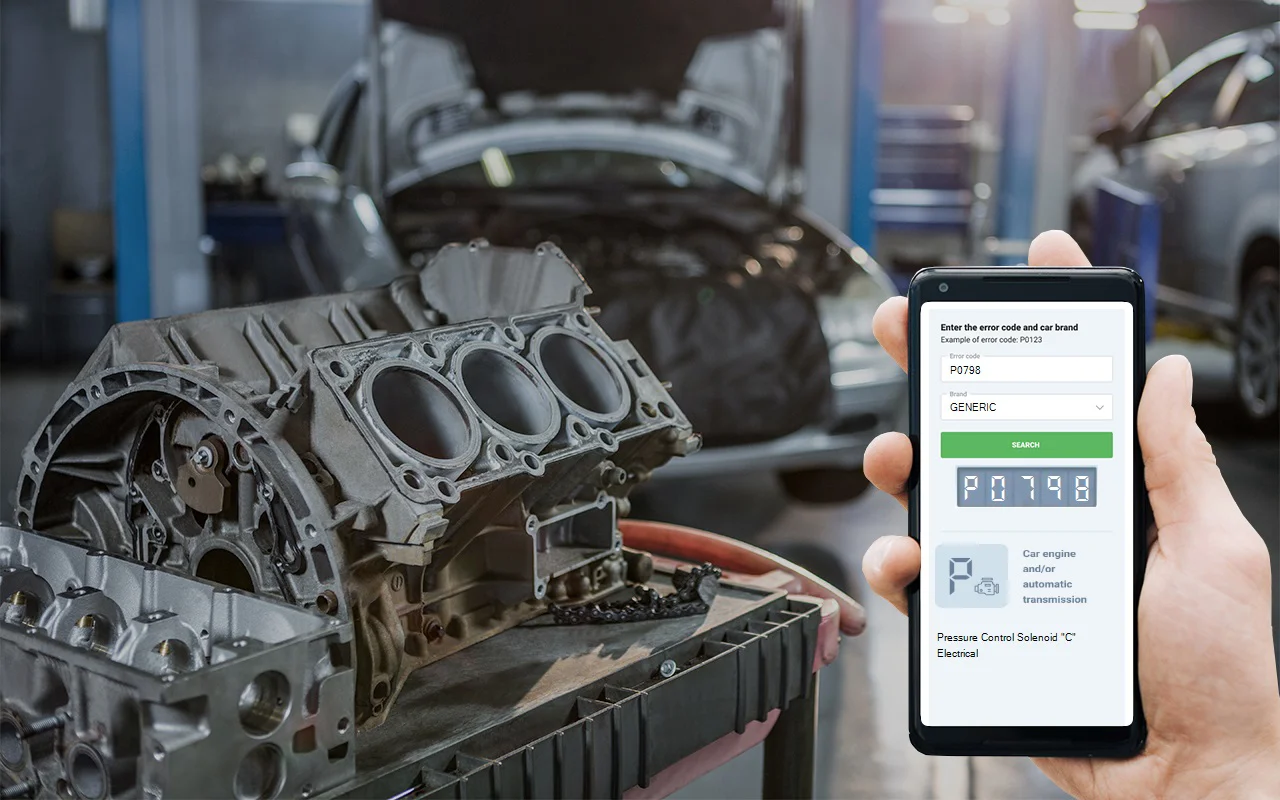
So here’s the bottom line: P0798 means your pressure control solenoid C isn’t doing its job, and that’s going to mess with your transmission’s ability to shift properly. This isn’t something to brush aside-it can spiral into a much bigger (and pricier) issue if you let it ride. In my experience, most fixes come down to fluid, filter, or wiring problems, so start there before you go after the solenoid or dig into the transmission guts. Trust me, a methodical approach saves you money and trouble every time. Don’t wait-track down the real cause and tackle it head-on before things get out of hand.
 4425
4425 6 minutes of reading