
Causes and dtc P07A2
After years in the garage and plenty of hours spent chasing down this code, here’s what I see most often causing it:
- Low automatic transmission fluid (ATF) level
- ATF that’s dirty, burnt, or contaminated
- Internal friction element (clutch or band) that’s worn out or damaged
- Electrical gremlins-damaged wires, loose plugs, or even water sneaking into the harness
- Tires that aren’t matched up in size or pressure, leading to weird rotational feedback
- Problems with the brains of the operation-either the transmission control module (TCM) or the engine control module (ECM)
- Physical damage to connectors, often from vibration or fluid leaks dripping into places they shouldn’t
Most times, in my shop, it’s either a fluid or wiring issue, but don’t overlook the tires. I’ve had customers come in after a tire change or rotation, and just that mismatch was enough to set off the code. Before you start tearing into the transmission itself, check the basics-often, that’s where the answer lies.
Symptoms and P07A2 code
If you’re seeing this code show up, pay close attention to what your car’s doing. Here’s what I tell folks to look for:
- Transmission slipping-like it’s searching for a gear but not quite getting there
- Harsh or unpredictable shifting-those smooth gear changes you’re used to just aren’t happening
- Slow to engage when you shift out of park-like there’s a hesitation moving into drive or reverse
- Feels like you’ve lost some get-up-and-go, or acceleration is sluggish
- Transmission fluid leaking onto the driveway or garage floor
- Strange sounds or vibrations when shifting-anything that feels out of the ordinary
- Sometimes, the transmission just gives up and goes into 'limp mode' to protect itself
Usually, you’ll know something’s off. If those gear changes start feeling rough or you spot that telltale red puddle under the car, don’t ignore it. That’s your transmission crying out for help.

Diagnosis and P07A2 engine code
Here’s how I tackle a P07A2 diagnosis in the shop, step by step:
- First up, check the transmission fluid-both the level and the condition. You want clean, properly filled, and the right type of ATF for your ride. Dirty or low fluid? That’s a recipe for problems.
- Scan for leaks around the pan, lines, and connectors. Even a drip can lead to big headaches down the road.
- Don’t skip the tires-make sure they’re all matched in size and pressure. It sounds unrelated, but mismatches can throw the transmission’s sensors for a loop.
- Get your hands on the wiring and plugs going into the transmission. Pay extra attention to the main harness and any spot that might get shaken around or splashed by fluid. Loose connections, corrosion, or water damage? All red flags.
- If you’ve swapped out a tire recently, double-check it. Even a small difference can set off a code like this.
- Hook up a scan tool, look for related codes, and check if there are any technical service bulletins (TSBs) for your vehicle. Sometimes the manufacturer already knows about an issue and has a fix ready to go.
- If all the simple stuff checks out, you may need to dig deeper-measuring internal pressures or inspecting the friction element directly. That usually calls for special tools and a bit of know-how.
Start simple. I can’t tell you how many times the culprit was just overdue maintenance or a missed leak in the service history. Don’t rush to tear things apart until you’ve ruled out the basics.
Common Mistakes and obd2 code P07A2
I’ve seen plenty of folks get tripped up by this code. Some of the classic mistakes include:
- Diving right into costly transmission repairs without checking fluid or wiring first
- Forgetting to check for mismatched or underinflated tires, which can mess with transmission readings
- Not looking for technical service bulletins-sometimes the fix is right there, straight from the manufacturer
- Using the wrong type of ATF-believe me, the wrong fluid can cause all sorts of grief
- Missing small leaks or corroded electrical connectors, especially after recent work or tire replacements
Here’s my advice: slow down, work through each step methodically, and don’t assume the worst right out of the gate. Skipping over the basics can end up costing you thousands. I’ve watched it happen more times than I care to count.

Seriousness and obd code P07A2
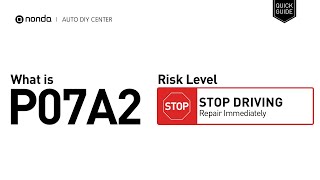
Let me be blunt: this isn’t a code you can safely ignore. If that friction element isn’t doing its job, your transmission can slip, shift unexpectedly, or flat-out refuse to go into gear. That’s a real hazard, especially if you’re merging onto a highway or need to react quickly in traffic. Leave it alone too long, and you’re staring down the barrel of major transmission damage-burnt clutches, destroyed bands, maybe even a total transmission failure. I’ve seen bad cases where a neglected P07A2 took out not just the transmission but also the control module and parts of the wiring harness. Don’t gamble with this one; get it looked at right away.
Repair and P07A2 trouble code
Here’s how I’d tackle a P07A2 repair, drawing from what’s worked in my own shop and the official guides:
- Drain and replace the transmission fluid with the exact ATF your vehicle calls for-no substitutes
- Swap out the transmission filter and gasket if needed-fresh filtration is always a good idea
- Seal up any leaks in the transmission system before they become a bigger headache
- Repair any damaged wiring, connectors, or harnesses you find-don’t let a bad ground or corroded pin ruin your day
- Address any tire mismatches-get them all the same size and properly inflated
- If there’s a TSB or software update for your TCM, have that done at a dealer or qualified shop
- If you discover internal damage, replacing the friction element (clutch or band) is a job for a pro-don’t try this at home unless you’re well-versed in transmission rebuilds
If you’re new to transmission work, don’t be afraid to ask for help. These systems are unforgiving, and one wrong move can turn a simple repair into a full rebuild.

Conclusion
When it comes down to it, a P07A2 means trouble with your transmission’s friction element "A," and that spells slipping, rough shifts, or even a dead transmission if you let it slide. This isn’t something to put off-make it a top priority. Start with the basics: check your fluid, wiring, tires, and go over your service records. Nine times out of ten, a simple fix like a fluid change or patching a leak can save you from a wallet-busting repair. But if you do need deeper work, don’t wait-jump on it before things get worse. Your car (and your bank account) will thank you.
 5777
5777 7 minutes of reading