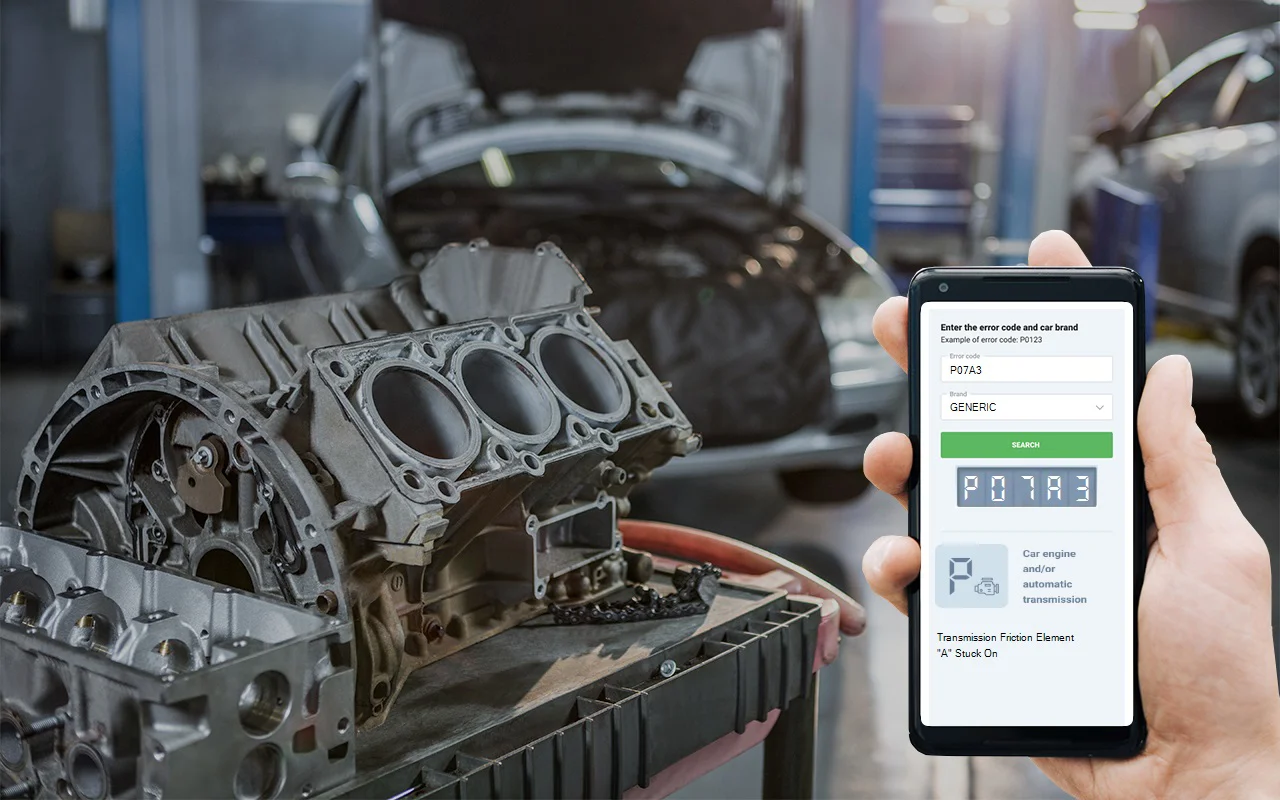
When you see a P07A3 code pop up, it’s your vehicle’s way of telling you there’s trouble brewing inside the automatic transmission-specifically with what’s called friction element “A.” Now, from my years spent elbow-deep in transmissions, what this really means is one of those internal clutches or bands, the parts that are supposed to grab and release smoothly so your gears can shift, is stuck “on.” In other words, something that should be letting go just isn’t. That’s critical, because these components are what make your automatic transmission shift correctly and deliver power to your wheels. I’ve seen this code show up on everything from Fords and Chevys to Toyotas and Hondas, so it’s not limited to any one brand. Sometimes, the culprit is a mechanical issue inside the transmission. Other times, it’s an electrical hiccup with the sensors or wiring. Either way, if you ignore it, you’re opening the door to a whole mess of shifting and driveability headaches.
DTC P07A3
 4782
4782 6 minutes of reading
Causes of obd2 code P07A3
From experience, the most common reasons I see for a p07a3 code are usually tied to either the health of your transmission fluid or internal wear. Here’s what tends to trigger this code most often:
- Low automatic transmission fluid (ATF) level
- Dirty or contaminated ATF
- Worn or damaged internal friction element (like a clutch pack or band)
- Electrical issues-damaged wiring, poor connections, or water intrusion in connectors
- Uneven tire sizes or underinflated tires causing odd transmission loads
- Problems with the transmission control module (TCM) or engine control module (ECM)
- Physical damage or sticking inside the transmission
I recommend starting with the basics-fluid and wiring-before jumping to conclusions about major internal damage.
Symptoms of P07A3 engine code
If you’ve got a p07a3 code active, you’ll probably notice some clear signs while driving. Most often, drivers report:
- Rough or unpredictable shifting-sometimes the car jerks or hesitates when changing gears
- Transmission slipping-engine revs go up but the car doesn’t accelerate as it should
- Unusual shift patterns-like skipping gears or holding a gear too long
- Sudden or harsh gear engagement
- Low power or sluggish acceleration
- Possible ATF leaks under the car
Honestly, if you’re feeling any of these, it’s best not to ignore them. Things can go south quickly if overlooked.

Diagnosis steps for P07A3 code
Here’s how I usually approach a p07a3 code, step by step:
- First, check for any Technical Service Bulletins (TSBs) related to your specific make and model. Sometimes there are known issues with a straightforward fix.
- Next, inspect the automatic transmission fluid. Make sure it’s at the correct level, clean, and not burnt or full of debris. If you can’t remember the last time you had a transmission service (fluid, filter, gasket), it’s best to do that now.
- Look for any visible ATF leaks under the vehicle. Even a small leak can cause big problems over time.
- Check the wiring and connectors going to the transmission. Make sure everything is plugged in securely, with no corrosion, water damage, or frayed wires. Pay special attention to any connectors that look oily or loose.
- Inspect your tires-make sure they’re all the same size and properly inflated. Odd tire sizes or low pressure can actually cause transmission issues like this.
- If the basics check out, a scan tool can help you look at live data and see if the transmission is commanding the friction element to engage or disengage. Sometimes, more advanced testing is needed, which may require a professional with dealership-level equipment.
It’s better to have someone assist you with the checks, especially when looking for leaks or checking wiring under the car. Don’t forget to double-check the type of ATF you’re using-using the wrong fluid can cause all sorts of headaches.
Common mistakes when troubleshooting dtc P07A3
In cases like this, I’ve seen people jump straight to replacing expensive transmission parts without checking the basics first. Here are some common pitfalls:
- Ignoring the condition or level of the ATF
- Overlooking wiring and connector issues-sometimes it’s just a loose plug or a bit of corrosion
- Not checking for uneven tire sizes or low tire pressure
- Assuming the worst (like a failed transmission) before ruling out simple fixes
- Skipping the TSB search-sometimes the manufacturer already knows about the problem and has a fix
Honestly, skipping these steps is a surefire way to waste money and time.

The seriousness of obd code P07A3
This is a serious hazard if left unchecked. A stuck friction element can lead to unpredictable shifting, loss of power, or even total transmission failure. You don’t want this kind of trouble on the road-sudden gear changes or slipping can put you and others at risk, especially in traffic. If ignored, you could end up damaging the transmission further, leading to costly repairs or even a full replacement. Other parts that can be affected include the torque converter, solenoids, and even the transmission control module. Don’t put this off for later-get it checked and fixed as soon as possible.
Repair options for P07A3
From what I’ve seen, the most reliable repair actions for a p07a3 code are:
- Changing the automatic transmission fluid and filter-sometimes a simple service clears up the problem
- Repairing or replacing damaged wiring or connectors
- Fixing any ATF leaks and topping up with the correct fluid
- Replacing worn or damaged internal friction elements (clutch packs or bands), if needed
- Updating or reprogramming the TCM/ECM if a software issue is found
- Replacing the transmission control module in rare cases
It’s best to start with the least invasive fixes and work your way up. Always use OEM parts and the right fluid for your vehicle. This issue can also occur on car brands such as Ford, Renault.
Conclusion
To sum it up, P07A3 means your transmission has detected a friction element stuck in the "on" position, which can cause all sorts of shifting and driving issues. It’s not something to take lightly-the risks just aren’t worth it. Start with the basics: check your fluid, wiring, and tires. If those are all good, you may need a deeper inspection. Acting quickly is the best way to avoid bigger, more expensive problems down the line. In my experience, the most reliable path is to rule out simple issues first, then follow the OEM diagnostic steps for your specific vehicle. Don’t hesitate to get professional help if you’re unsure-your safety and your car’s health depend on it.