
Causes of P07A4 trouble code
From experience, the most common reasons I see for a P07A4 code are usually pretty straightforward, but sometimes they can be sneaky. Here’s what tends to cause it most often:
- Low automatic transmission fluid (ATF) - either from a leak or overdue maintenance.
- Dirty or contaminated ATF - old fluid can cause all sorts of shifting issues.
- Worn-out internal friction elements (like clutches or bands) inside the transmission.
- Electrical problems - damaged, corroded, or loose wiring and connectors going to the transmission.
- Water intrusion into the wiring or transmission control module (TCM/ECM).
- Uneven tire sizes or mismatched tires - believe it or not, this can throw off the transmission’s readings and cause slipping.
- Low tire pressure or even a dragging brake can mess with the system.
- Internal faults in the TCM or ECM themselves.
Most often, it’s something simple like fluid or wiring, but don’t rule out the others without checking.
Symptoms of obd2 code P07A4
When this code is active, you’re likely to notice some pretty clear signs that something’s off with your transmission. Here’s what drivers usually report, and what I look for:
- Rough or erratic shifting - the car might jerk or hesitate when changing gears.
- Transmission slipping - you press the gas, but the car doesn’t accelerate as it should.
- Unusual shift patterns - gears might change at odd times or feel delayed.
- Sudden, harsh gear changes - sometimes it’ll bang into gear unexpectedly.
- Leaking transmission fluid - you might spot red or brown fluid under the car.
- Reduced power or torque - the car feels sluggish or weak.
- Warning lights on the dash, like the check engine or transmission light.
If you notice any of these, it’s a good idea to get things checked out right away.

Diagnosis steps for P07A4 code
Let me walk you through how I usually get to the bottom of a P07A4 code. You always want to start with the easiest stuff first-don’t make things harder on yourself or your wallet.
- First thing I do? Look up any Technical Service Bulletins (TSBs) for your specific make and model. Sometimes the manufacturer already knows about the issue and has a solution ready to go.
- Next, I check the transmission fluid. Is it full? Is it clean and the right type? If it’s dark, smells burnt, or feels gritty, time for a fluid and filter change. And always check for leaks underneath-half the time, that’s the real culprit.
- Then I dig into the wiring and connectors on the transmission. I’ll unplug the main harness and check for corrosion, loose pins, or any signs of moisture. Even one bad connection can throw everything out of whack. Make sure everything’s tight and nothing’s frayed.
- I also take a good look at the tires. Are they all the same size and properly inflated? You’d be surprised how often a tire mismatch or low pressure can mess with the transmission’s readings.
- After that, I’ll scan for any other codes. Sometimes, a related code will point you right to the issue.
- If all that checks out, I’ll hook up a scan tool and watch the live transmission data. I’m looking for anything weird from friction element “B” or its sensors.
- Stuck? Sometimes you’ve got to drop the transmission pan and check for any debris or worn clutch material. At that point, having an experienced tech by your side can really help.
Pro-tip: Always have a buddy handy when crawling under the car or dealing with electrical connectors. Safety first.
Common mistakes with obd code P07A4
Honestly, I’ve seen a lot of folks (even pros) make some avoidable errors with this code. Here are the big ones to watch out for:
- Skipping the fluid check or using the wrong type of ATF - that’s a surefire way to end up in trouble.
- Overlooking tire size and pressure - mismatched tires can cause more headaches than you’d think.
- Ignoring wiring and connectors - a loose or corroded plug can mimic a much bigger problem.
- Jumping straight to expensive internal repairs without ruling out simple fixes first.
- Not checking for TSBs or updated repair procedures for your specific vehicle.
It’s best to start with the basics before diving into the deep end.

Seriousness of dtc P07A4
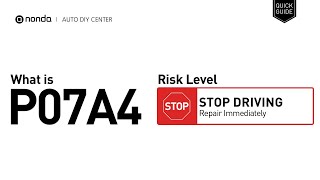
This isn’t one of those codes you can just ignore and hope it goes away. From my time under the hood, I can tell you-a problem with a transmission friction element can snowball fast. That little issue can fry your clutches, damage the valve body, or even take out the whole transmission if you keep driving on it. You might get stuck somewhere or have the car shift so unpredictably that it becomes a real danger. I’ve seen repairs get much more expensive just because someone waited too long. Parts at risk? Internal clutches, bands, solenoids, sometimes even the transmission control module if there’s electrical trouble or contaminated fluid. Don’t gamble on this one.
Repair options for P07A4 engine code
Here’s what I’ve found to be the most dependable fixes for a P07A4:
- Start with a transmission fluid and filter change, especially if the fluid looks dirty or maintenance is overdue.
- Fix any leaks you spot, and always top off with the manufacturer’s recommended ATF.
- Clean up or repair any wiring and connectors leading to the transmission. Even a little corrosion can cause big headaches.
- If the friction elements inside are shot, you’ll need to replace those clutches or bands-sometimes there’s no way around it.
- Sort out any tire or wheel issues-matching sizes and proper inflation are a must.
- If it’s a software bug, updating or reprogramming the TCM or ECM might do the trick.
- On rare occasions, you might have to replace the TCM or ECM, or go for more extensive internal transmission repairs.
My advice? Always tackle fluid and electrical work first before jumping into costly internal transmission fixes.

Conclusion
If you’re staring down a P07A4, your transmission is letting you know there’s trouble with a key friction element. This isn’t something to put on the back burner-it can turn a simple fix into a wallet-draining overhaul fast. The smartest play is to start with the basics: fluid, wiring, and tires. If those check out, dig deeper. Acting now is the best way to keep your car on the road and avoid a major repair bill later. Trust me, your transmission-and your bank account-will thank you.
 3683
3683 7 minutes of reading