
Causes and obd2 code P07A5
From experience, the most common reasons I see for a p07a5 code are:
- Low automatic transmission fluid (ATF) level
- Dirty or contaminated ATF
- Worn or damaged internal friction element (like a clutch pack or band)
- Electrical issues-such as damaged wiring, loose connectors, or water intrusion in the harness
- Uneven tire sizes or low tire pressure (believe it or not, this can throw things off)
- Problems with the transmission control module (TCM) or engine control module (ECM)
- Physical damage to the transmission from previous repairs or impacts
Most often the issue is with fluid condition or internal wear, but I’ve seen plenty of cases where a simple wiring problem or mismatched tires were the culprit. Always start with the basics before assuming the worst.
Symptoms and obd code P07A5
When this code is active, you’ll probably notice some clear signs that something’s not right with your transmission. Here’s what drivers usually report:
- Rough or unpredictable shifting
- Transmission slipping (feels like it’s not grabbing the next gear)
- Delayed or harsh gear changes
- Unusual shift patterns-like skipping gears or holding a gear too long
- Low power or sluggish acceleration
- Transmission fluid leaks
- Sometimes, the check engine light or transmission warning light comes on
If you’re feeling any of these, it’s a good idea to get things checked out right away. Things can go south quickly if overlooked.

Diagnosis and P07A5 code
Here’s how I usually approach a p07a5 code, step by step:
- First, I always check for any relevant Technical Service Bulletins (TSBs) for your specific make and model. Sometimes there’s a known issue with an easy fix.
- Next, I inspect the transmission fluid. Make sure the ATF is at the correct level, looks clean, and doesn’t smell burnt. If it’s dirty or low, that’s a red flag. If you can’t remember the last time it was changed, I recommend starting with a fluid and filter service.
- While under the car, I look for any signs of leaks around the transmission pan, cooler lines, and connectors. Even a small leak can cause big problems.
- Then, I check the wiring and connectors going to the transmission. Make sure nothing is loose, corroded, or damaged. Sometimes, fluid can seep into connectors and cause electrical issues-don’t forget to check for that.
- After that, I take a close look at the tires. Make sure all four are the same size and properly inflated. Odd tire sizes or low pressure can actually cause the transmission to misbehave.
- If all the basics check out, I’ll use a scan tool to monitor live data from the transmission sensors and see if the friction element "B" is behaving as expected. If not, it may be time to dig deeper into the transmission itself, which usually means removing the pan and inspecting the internal components.
It’s best to start with the simple stuff-fluid, wiring, tires-before moving on to more complex internal checks. Don’t hesitate to get a second set of hands if you’re not comfortable with any of these steps.
Common Mistakes and P07A5 engine code
I’ve seen a lot of folks jump straight to expensive repairs without checking the basics. Here are some common pitfalls to avoid:
- Ignoring the condition or level of the ATF-old or low fluid is a surefire way to end up in trouble
- Overlooking tire size or pressure differences
- Missing damaged or loose connectors and wiring
- Assuming the problem is always deep inside the transmission without ruling out external causes
- Not checking for TSBs or known issues for your specific vehicle
Honestly, skipping these steps can cost you a lot more in the long run. Take your time and be thorough.

Seriousness and P07A5
This is a serious hazard, no question about it. If you ignore a p07a5 code, you’re risking major transmission damage. The friction elements inside the transmission can wear out quickly if they’re not working right, and that can lead to a total transmission failure. You don’t want this kind of trouble on the road-loss of power, unpredictable shifting, or even being stuck in one gear. Plus, if the problem is electrical or related to fluid leaks, you could end up damaging the transmission control module or other expensive parts. Don’t put this off for later-it’s best to address it as soon as possible to avoid a much bigger repair bill.
Repair and P07A5 trouble code
From what I’ve seen and what the manuals recommend, here’s how this is usually fixed:
- Replace or top off the automatic transmission fluid with the correct type for your vehicle
- Perform a full transmission service-fluid, filter, and pan gasket
- Repair or replace any damaged wiring, connectors, or sensors
- Address any tire issues-replace mismatched tires and set all pressures correctly
- In some cases, internal transmission repair may be needed-like replacing a worn clutch pack or friction element
- If the TCM or ECM is at fault, reprogramming or replacement may be required
I personally recommend starting with the simple, less expensive fixes first. Sometimes a basic service is all it takes, but if the problem persists, be prepared for more in-depth repairs.


Conclusion
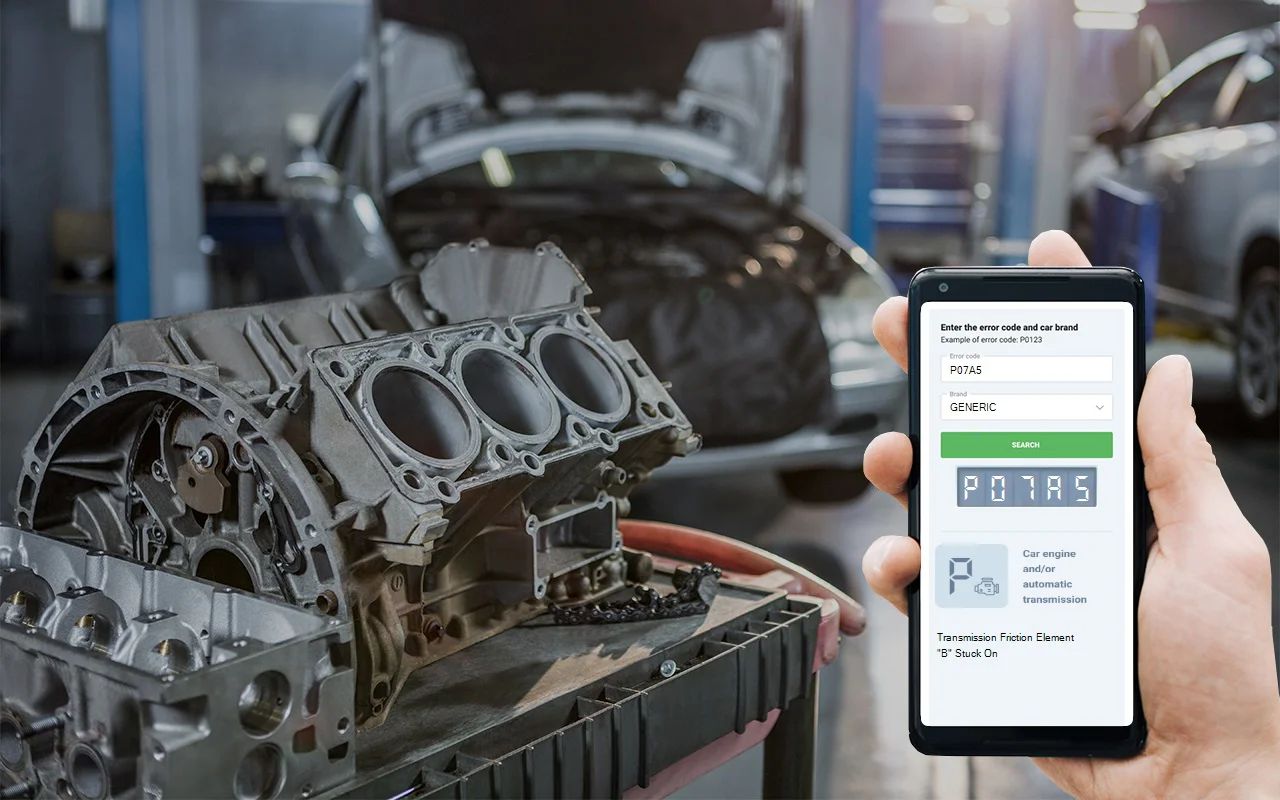
To sum it up, P07A5 means your transmission’s friction element "B" is stuck on, and that’s something you don’t want to ignore. It can cause rough shifting, slipping, and even major transmission damage if left unchecked. I always recommend starting with the basics-fluid, wiring, and tires-before moving on to more complex repairs. The risks just aren’t worth it, so make this a priority. With a careful, step-by-step approach, you can usually get to the bottom of it and keep your vehicle running smoothly.
 4896
4896 6 minutes of reading