
Main Causes and obd code P07AA Troubles
From what I’ve seen in the shop and based on official repair info, the most common reasons for a P07AA code are:
- Low automatic transmission fluid (ATF) level
- Dirty or contaminated ATF
- Worn or damaged internal friction elements (like clutches or bands)
- Electrical issues-damaged wiring, loose or corroded connectors, or water intrusion in the harness
- Uneven tire sizes or low tire pressure (this can actually throw off transmission operation!)
- Problems with the transmission control module (TCM) or engine control module (ECM)
- Physical damage or malfunction inside the transmission itself
What I see most often? It’s usually a fluid issue or worn friction materials, but I’ve had cars roll in with nothing worse than a bad connector or mismatched tires making things go haywire. Always start with the basics-sometimes the simple things are what save you the most time and money.
Warning Signs and dtc P07AA Indications
When your car throws a P07AA, there are usually a few telltale signs that grab your attention right away. Here’s what a lot of drivers notice before they even see the code:
- Rough or unpredictable shifting-sometimes the car jerks or hesitates between gears
- Transmission slipping-feels like the engine revs but the car doesn’t accelerate as it should
- Unusual shift patterns-like holding a gear too long or shifting at odd times
- Sudden, harsh gear changes
- Possible ATF leaks under the car
- Reduced power or sluggish acceleration
If you’re experiencing any of these-especially that nagging slip or those harsh shifts-don’t brush it off. In my experience, letting it ride will only make things worse, and you definitely don’t want to be stuck on the side of the road with a dead transmission.

Step by Step Diagnosis for obd2 code P07AA
When I’m chasing down a P07AA, here’s how I like to attack the problem-step by step, just like I would in the bay:
- Start by checking for any technical service bulletins (TSBs) linked to your specific make and model. Sometimes the manufacturer already knows about the issue and has a fix lined up.
- Next, inspect your transmission fluid. You want to see the right level, the correct color, and no funky smells or grit. If it’s burnt or dark, that’s a warning sign. Can’t remember when it was changed last? Get a fluid and filter service on the books.
- Look for leaks-transmission pans, gaskets, and lines love to seep over time. Even a little drip can create big headaches.
- After that, take a close look at the wiring and connectors going to the transmission. I’ve found everything from mouse-chewed wires to corroded plugs causing issues. Don’t just glance-wiggle and inspect for moisture, ATF, or loose connections.
- Check your tires. Yes, really! Mismatched sizes or low air pressure can confuse the transmission’s sensors and throw this code. I’ve seen it trip up even experienced techs.
- If the basics are all squared away, break out a scan tool. Look for other codes and check live data. Sometimes you’ll catch something deeper going on in the control modules or inside the transmission itself.
- If any of this feels out of your depth, don’t be afraid to call in a pro. Some of these steps need specialized tools or a trained eye.
Always keep track of what you find. Jot down your steps-trust me, it’ll make life easier if you end up needing more advanced diagnostics or have to go back to a shop.
Common Mistakes With P07AA engine code Repair
I’ve watched plenty of folks-pros and DIYers alike-get tripped up by the same mistakes with P07AA repairs:
- Skipping the basics, like the fluid check or using the wrong ATF type
- Forgetting about the wiring and connectors-sometimes a loose plug is all it takes
- Overlooking tire size and pressure-seriously, don’t underestimate this
- Diving into expensive internal repairs before ruling out easier fixes
- Missing out on related codes or TSBs that could point you in the right direction
The lesson I’ve learned? Don’t assume the worst right away. Work methodically through each step, and don’t rush. Nine times out of ten, it’s a simple oversight that gets missed.

How Serious Is a P07AA code Problem
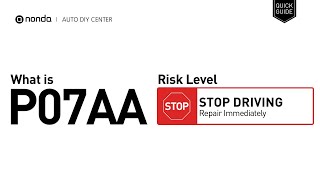
Let me be straight with you-P07AA isn’t a code you can afford to ignore. When your transmission’s friction elements aren’t doing their job, things can go downhill fast. Keep driving, and you risk burning up clutches, tearing up bands, or even trashing gears and control modules. That’s not just a big bill-it’s the kind of damage that can total your transmission. Besides, inconsistent shifting or loss of power isn’t just annoying, it’s a real safety risk. I’ve seen folks limp in with a simple slip, but drive too long and suddenly you’re looking at a full rebuild. Don’t wait-get it checked out before you’re stuck or shelling out way more than you planned.
Repair Solutions for P07AA Issues
Here’s what’s worked for me, following both factory procedures and years of real-world fixes:
- Top off or replace the automatic transmission fluid-always with the right type for your ride
- Do a complete transmission service: fluid, filter, and pan gasket
- Repair or swap out any damaged wiring or connectors
- Replace worn or busted friction elements (clutches or bands) inside the transmission-this is a bigger job, usually for a specialist
- Fix any issues with the TCM or ECM if the scan tool points you that way
- Make sure tires are the correct size and set to the proper pressure
- Seal up any leaks or fix physical damage to the transmission housing
Start simple-fluid and wiring are quick wins. If those don’t do the trick, then it might be time to think about more involved internal repairs. Sometimes, a basic service brings a “dead” transmission right back to life.


Conclusion
Bottom line-P07AA is your car’s way of telling you its transmission friction element isn’t up to snuff. Ignore it, and you’re asking for trouble: rough shifts, slipping, and possibly a full-blown breakdown. Take it seriously, start with the simple checks-fluid, wiring, tires-and follow the right service steps for your particular car. If those don’t solve it, be ready to dig deeper or seek out a transmission expert. Tackle it early, and you’ll save yourself a world of headaches and keep your car running strong.
 4978
4978 6 minutes of reading