
Causes of obd2 code P0800
From what I’ve seen in the shop and what’s confirmed in the official repair manuals, the most common reasons for a P0800 code are:
- A faulty transfer case control module or sensor. This is the electronic brain or the sensors that tell it what’s happening.
- Internal mechanical failure inside the transfer case itself-think worn gears or broken components.
- Wiring problems, like a short or open circuit in the transfer case control system. Sometimes it’s just a loose connector or corroded pin.
- A problem with the main computer (PCM), though that’s pretty rare-usually only after everything else checks out.
Most often, the issue is with the control module, sensors, or the wiring. Mechanical failures do happen, especially if the vehicle’s seen a lot of off-road use or heavy towing.
Symptoms of obd code P0800
When this code is active, you’ll probably notice a few things right away. The most common symptoms drivers report are:
- Not being able to switch between 2WD and 4WD, or getting stuck in one mode.
- Trouble shifting between the different transfer case ranges-like 2HI, 4HI, 4LO, or Neutral.
- The 4WD or traction control warning light flashing or staying on.
- Strange noises coming from underneath the vehicle, especially from the transfer case or driveshaft area.
From experience, if you’re hearing odd noises or can’t get your 4WD to engage or disengage, it’s a good bet this code is involved.

Diagnosis of P0800 trouble code
Here’s how I usually tackle a P0800 code, step by step:
- First, I always check the transfer case fluid-make sure it’s clean and at the right level. Low or dirty fluid can cause all sorts of problems, and it’s a simple fix if that’s the culprit. If it’s low, I look for leaks and fix those first.
- Next, I hook up a scan tool to pull all the stored codes and freeze frame data. I write everything down before clearing the codes, then take the vehicle for a test drive to see if the code comes back right away. If it does, I know the problem is still active.
- After that, I dig into the wiring and connectors for the transfer case control system. I look for loose plugs, corrosion, or damaged wires-sometimes just wiggling a connector can reveal a bad contact.
- Then, I use a digital volt/ohm meter (DVOM) to check for proper voltage and ground at the TCCS controller. If those are good, I check the output signals and test the sensors and switches against the specs in the service manual. Any part that doesn’t match the specs is suspect.
- If all the sensors and wiring check out, I move on to the transfer case itself-looking for internal mechanical issues, like worn gears or broken shift forks.
- Finally, if everything else passes, I consider the possibility of a faulty PCM, but that’s really the last resort.
It’s best to start with the simple stuff-fluid and wiring-before tearing into the transfer case or replacing expensive modules. And don’t forget to check for any technical service bulletins (TSBs) that might apply to your vehicle; sometimes there’s a known issue with an easy fix.
Common Mistakes when troubleshooting dtc P0800
Honestly, I’ve seen a lot of folks jump straight to replacing the transfer case or control module without checking the basics first. That’s a surefire way to waste money. The most common mistakes are:
- Not checking the transfer case fluid level or condition before anything else.
- Overlooking simple wiring or connector issues-sometimes it’s just a loose plug or a bit of corrosion.
- Skipping the step of looking for TSBs that might point to a known problem or updated part.
- Replacing expensive parts without confirming they’re actually faulty.
Take your time and work through the basics before moving on to the big stuff. It’s better to have someone assist you when checking under the vehicle, just for safety’s sake.

Seriousness of P0800 engine code
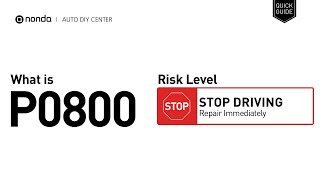
This isn’t something you want to ignore. A P0800 code means there’s a real risk your 4WD system won’t work when you need it-or worse, it could get stuck in a mode that makes driving dangerous, especially in bad weather or off-road. If the transfer case is damaged and you keep driving, you could end up with major transmission or drivetrain damage. Things can go south quickly if overlooked, and the repair bill will only get bigger. Parts at risk include the transfer case itself, driveshafts, and even the transmission if the problem is left unchecked. Don’t put this off for later-get it checked out as soon as possible.
Repair steps for P0800 code
In cases like this, the most reliable fixes are:
- Repairing or replacing damaged wiring or connectors in the transfer case control system.
- Replacing a faulty transfer case control module or sensor, if it fails the diagnostic tests.
- Fixing any leaks and refilling the transfer case with the correct fluid.
- Repairing or rebuilding the transfer case if there’s an internal mechanical failure.
- In rare cases, reprogramming or replacing the PCM if it’s determined to be the source of the problem.
I recommend starting with the least invasive repairs and working up from there. Always use OEM parts and follow the official procedures for your specific make and model.


Conclusion
To sum it up, the P0800 code means your vehicle’s transfer case control system has a problem-usually electrical or mechanical-and it’s affecting your ability to use 4WD safely. This is a high-priority issue because it can leave you stranded or cause further damage if ignored. The best approach is to start with simple checks like fluid and wiring, then move on to sensors and the control module if needed. Acting quickly and following a step-by-step diagnostic path is the most reliable way to get your vehicle back on the road safely. You don’t want this kind of trouble on the road, so don’t delay getting it fixed.
 5204
5204 6 minutes of reading