
Causes of obd code P0802
From what I’ve seen in the shop, the most common reasons for a p0802 code are usually electrical or electronic in nature. Here’s what tends to cause it most often:
- A faulty transmission control module (TCM) or powertrain control module (PCM)-sometimes the computer itself just fails.
- Broken, shorted, or open wiring in the transmission control circuits-wires can get damaged, corroded, or disconnected.
- Issues with the connectors-loose, dirty, or corroded pins at the module or sensor plugs.
- Controller programming errors-sometimes a software update or reflash is needed if the module has a glitch.
In my experience, wiring and connector issues are the most common, but you can’t rule out a bad module or a software problem, especially if the car has had recent work done or electrical gremlins.
Symptoms of P0802 code
If you’re dealing with a p0802 code, you’ll probably notice some clear signs while driving. Most drivers report things like:
- Rough or harsh shifting-gear changes might feel clunky or jarring.
- Delayed or no shifting-the transmission might hesitate or refuse to go into the next gear.
- Transmission stuck in limp mode-the car may only drive in one gear to protect itself.
Sometimes, you might also see the check engine light or a transmission warning light on the dash. If you’re feeling any of these symptoms, it’s a sign the transmission isn’t happy, and you don’t want to ignore it.

Diagnosis steps for dtc P0802
Here’s how I’d tackle a p0802 code, step by step. It’s best to start simple and work your way up:
- First, check the transmission fluid. Make sure it’s clean, at the right level, and doesn’t smell burnt. If it’s low, top it up and look for leaks. If it’s dark or smells bad, a fluid and filter change is in order.
- Next, use a scan tool to pull all stored codes and freeze-frame data. Write down what you find before clearing anything. Then, take the car for a test drive to see if the code comes back right away.
- If the code returns, it’s time to dig into wiring and connectors. Inspect all the harnesses and plugs going to the transmission and the control modules. Look for broken wires, corrosion, or loose connections. Sometimes just unplugging and re-plugging a connector can clear up a bad contact.
- With a digital volt/ohm meter (DVOM), check for proper voltage and ground at the TCM/PCM. If those are good, test the output signals from the controller and check related sensors.
- If everything checks out electrically, look up any technical service bulletins (TSBs) for your vehicle-sometimes there’s a known software fix or a common issue for your make and model.
- If you find a lot of clutch material or metal shavings in the transmission pan, that’s a sign of internal damage and you’ll need a transmission specialist.
It’s always a good idea to have someone help you when checking wiring-sometimes a second set of eyes can spot something you missed.
Common Mistakes with P0802
I’ve seen a few common pitfalls when folks try to tackle this code. Here’s what you want to avoid:
- Skipping the basics-people often jump straight to replacing expensive modules without checking the fluid, wiring, or connectors first.
- Not checking for technical service bulletins-sometimes the fix is a simple software update, but it gets missed.
- Testing circuits with modules still plugged in-this can give false readings or even damage the electronics.
- Overlooking ground connections-a bad ground can cause all sorts of weird electrical issues.
Take your time and go step by step. Rushing can lead to wasted money and more headaches.

Seriousness of P0802 engine code
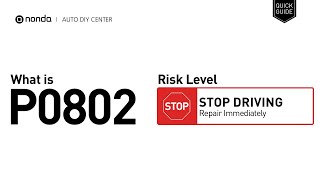
Honestly, this is not a code you want to ignore. A p0802 means your transmission control system has a potentially serious problem. If left unchecked, you could end up with severe transmission damage, leaving you stranded or facing a costly repair. Things like burned clutches, damaged solenoids, or even a fried control module can result if you keep driving with this issue. It’s a real safety concern too-losing the ability to shift properly can put you in a dangerous spot, especially in traffic. Don’t put this off for later; get it checked out as soon as possible.
Repair options for P0802 trouble code
Once you’ve pinpointed the cause, here are the typical repairs I see for p0802:
- Repairing or replacing damaged wiring or connectors in the transmission control circuit.
- Replacing a faulty TCM or PCM if it’s confirmed to be the culprit.
- Updating or reprogramming the control module if there’s a software issue.
- Changing the transmission fluid and filter if it’s contaminated.
- In cases of internal damage, a full transmission rebuild or replacement may be needed.
Always use OEM parts and follow the manufacturer’s procedures for the best results.
Conclusion
To sum it up, code P0802 is your car’s way of warning you about a serious problem in the transmission control system. It’s not something to take lightly-the risks of further damage and safety hazards are real. Start with the basics: check the fluid, inspect wiring and connectors, and use a scan tool to gather info. If you’re not comfortable with electrical diagnostics, it’s best to let a qualified technician handle it. Acting quickly is the best way to avoid bigger headaches and keep your vehicle safe and reliable.
 4579
4579 6 minutes of reading