
Causes and dtc P080A
From experience, the most common reasons I see for a p080a are pretty straightforward. Most often the issue is with the clutch position sensor itself - it might not be calibrated right, or it could just be faulty. But I’ve also run into cases where the wiring to the sensor is damaged, or the connectors are corroded or loose. Sometimes, a bad ground strap for the control module or even a failing PCM/TCM can be the culprit. Here’s what I usually check first:
- Clutch position sensor not calibrated or faulty
- Damaged or broken wiring to the sensor
- Loose, corroded, or damaged connectors
- Bad ground connection for the control module
- Faulty PCM or TCM (less common, but possible)
Symptoms and P080A trouble code
When this code is active, you’ll likely notice a few things. In a lot of cases, the engine won’t start at all - that’s the most obvious sign. Sometimes, the opposite happens and the engine will start even if you don’t have the clutch pressed in, which is a real safety hazard. You’ll also see the check engine light or a transmission warning light on the dash. If you notice any of these, especially the engine starting without the clutch, don’t ignore it - things can go south quickly if overlooked.

Diagnosis steps for P080A
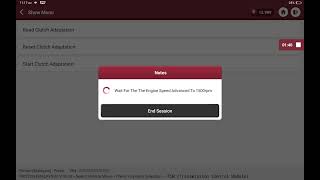
Here’s how I go about tracking down a p080a. I recommend starting with the basics before diving into anything complicated. First, I always check for any Technical Service Bulletins (TSBs) for your specific make and model - sometimes there’s a known issue and a quick fix. Next, I’ll locate the clutch position sensor near the pedal and look for any obvious damage. Don’t forget to check the wiring for scrapes, burns, or exposed wires. Then, I inspect all the connectors for corrosion, looseness, or bent pins - it’s better to have someone press the clutch while you watch for changes. If everything looks good, I’ll use a multimeter to check for proper voltage at the sensor: with the clutch out, you should see 12 volts on one side; with it pressed in, you should see voltage on both sides. If there’s no power or ground, I’ll check the fuses and ground straps. For more advanced checks, I’ll test continuity in the wiring (with the battery disconnected) - you want zero resistance. Any resistance or no continuity means there’s a wiring problem that needs fixing. Sometimes, a clutch position ‘learn’ or calibration procedure is required, which may need a scan tool. If all else fails, I’ll consider the PCM or TCM as a last resort.
Common Mistakes with the P080A code
Honestly, one of the biggest mistakes I see is folks jumping straight to replacing the starter, solenoid, or even the control module without checking the clutch position sensor and its wiring first. Another common slip-up is overlooking corroded connectors or a bad ground - these can be sneaky and cause all sorts of weird issues. Skipping the basics and not checking for TSBs can also lead you down the wrong path and waste a lot of time and money.

Seriousness of obd code P080A
While this code might seem moderate at first glance, it can turn into a serious hazard if ignored. If your car starts without the clutch pressed in, you risk a sudden jump forward or backward, which could cause an accident or injury. On the other hand, if the engine won’t start at all, you could be left stranded. Plus, if the wiring or connectors are left damaged, it could eventually affect other systems or even damage the PCM/TCM. Don’t put this off for later - the risks just aren’t worth it.
Repair solutions for obd2 code P080A
In cases like this, the most reliable fixes I’ve seen are pretty direct. Cleaning or replacing corroded connectors often does the trick. If the wiring is damaged, repairing or replacing it is a must. Sometimes, it’s as simple as replacing a blown fuse or fixing a bad ground strap. If the clutch position sensor itself is faulty, swapping it out usually solves the problem. In rare cases, the PCM or TCM might need to be reprogrammed or replaced, but that’s not where I’d start. Always follow up with a calibration or ‘learn’ procedure for the new sensor if your car requires it.


Conclusion
To sum it up, P080A is a clutch position sensor code that’s there to keep you and your car safe. If you see this code, make it a priority to diagnose and repair it - the risks of ignoring it are just too high. Start with the simple checks: look at the sensor, wiring, and connectors, and only move on to the control modules if you’ve ruled everything else out. From my experience, most of these cases are solved with basic repairs, and that’s the most reliable way to get you safely back on the road.
 3899
3899 5 minutes of reading