
Causes and obd code P0813 issues
Based on what I’ve seen over the years-and what the service manuals have to say-the leading culprits for a P0813 trouble code are:
- A worn or failed reverse position sensor (this one’s a usual suspect in manuals)
- A faulty neutral safety switch (I see this more with automatics)
- Wiring headaches, like shorts, opens, or corrosion anywhere in the reverse switch circuit
- The occasional problem with the PCM/TCM itself, or sometimes a software hiccup (that’s rare, but it does happen)
Most times, you're looking at a bad switch or sensor. But don't sleep on wiring issues-I’ve chased down more than a few gremlins hiding there. Always double-check those before you start swapping out parts.
Symptoms of P0813
When this trouble code is active, here’s what you might run into. The dead giveaway is usually reverse lights that won’t come on when you shift into reverse-or sometimes, they just stay on all the time, no matter what gear you’re in. Occasionally, the only thing you’ll see is the check engine light staring back at you. But if your reverse lights aren’t working, that’s a real safety issue, especially if you’re trying to back out of a tight spot at night. Another quirk: on some vehicles, a glitchy neutral safety switch might leave you stuck, unable to start your engine, or worse, allow the engine to crank while in gear.

Diagnosis steps for the P0813 engine code
Let me walk you through how I track down a P0813 code, step by step:
- First thing I do is hook up a scan tool and pull all stored codes. Don’t skip jotting down freeze frame data-it can be gold, especially if the issue comes and goes.
- I always check the reverse lights in person; get someone to shift into reverse while you watch. If they’re not lighting up-or if they’re staying on when you’re not in reverse-there’s your first clue.
- Next up: a close look at the wiring and connectors around the reverse or neutral safety switch. You’re hunting for loose plugs, corrosion, frayed wires, or anything that looks out of place. Pay extra attention if any work’s recently been done near the transmission-pinched or rubbed wires sneak through more often than you’d think.
- With a DVOM in hand, I check for proper voltage and ground at the switch. Depending on the gear, you should see either a reference voltage or ground. If something’s off, start tracing that circuit-sometimes the break or short is a few inches from where you’d expect.
- If the wiring’s solid, I move on to the switch or sensor itself. If it’s not within spec, it’s time for a replacement.
- Still coming up empty? That’s when I start thinking about PCM/TCM issues or even a software update, but honestly, that’s the last thing I check because it’s not common.
Here’s a pro-tip: always start with simple checks-lights and connectors-before diving into deeper electrical diagnosis. Saves you a ton of time and headaches.
Common Mistakes when troubleshooting obd2 code P0813
One of the classic blunders I see is going straight for the PCM or TCM, convinced it’s a computer problem, when really there’s just a crusty connector or a blown fuse to blame. Skipping the basics-like checking the actual reverse lights or not spotting a blown fuse-can send you down a rabbit hole. Another thing folks miss: not checking for Technical Service Bulletins (TSBs). Sometimes, there’s a known issue or an improved part out there and you’ll waste time and money if you don’t look. And trust me, ignoring a thorough wiring inspection is a sure way to get stuck chasing your own tail.

Seriousness of dtc P0813
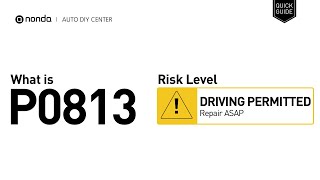
Don’t shrug this one off. If your reverse lights aren’t working, other folks on the road have no clue you’re backing up-which is just asking for trouble in a crowded lot or at night. And on some vehicles, if the neutral safety switch gives out, you might not even be able to start your car, or it could fire up in gear. That’s flat-out dangerous. Letting electrical issues fester can also lead to bigger headaches, like fried wiring harnesses or even PCM damage. If you spot this code, tackle it sooner rather than later-waiting can turn a quick fix into a far more serious repair.
Repair solutions for the P0813 code
When I’m fixing a P0813 code, here’s what usually gets the job done:
- Swap out the faulty reverse sensor or neutral safety switch if your tests show it’s bad
- Patch up or replace any damaged wiring or connectors you find in the reverse circuit
- Check your fuses-if one’s popped for the reverse lights or switch, replace it
- On the rare occasion it’s a PCM/TCM issue, reprogram or replace it only after everything else has checked out
Once repairs are done, I clear the code and take the car for a spin to make sure everything’s working like it should. You never want to skip that final test drive-it’s the best way to confirm you’ve nailed the fix.


Conclusion
Bottom line-when you see a P0813, your car’s computer isn’t happy with what it’s hearing from the reverse input circuit. Nine times out of ten, it boils down to a faulty switch, sensor, or a wiring hiccup. Don’t drag your feet on this repair; not only are your reverse lights at risk, but your ability to start and operate your car safely could be, too. My advice? Start with a good look at the wiring and a couple of quick electrical checks, then zero in on the problem part. Don’t ignore this code-the risks are too high, and the fix is usually straightforward once you know where to look.

 6071
6071 6 minutes of reading