
Causes of P0833
From my time under the dash and pouring over service manuals, here are the most common culprits behind p0833:
- The clutch position switch itself goes bad (that’s the sensor sitting on the clutch pedal)
- A blown fuse or a fried fusible link hiding somewhere in the clutch switch circuit
- Corroded or beat-up connectors-especially if you’re in a part of the country with salty roads or lots of moisture
- Wiring that’s frayed, broken, or shorted between the clutch switch, PCM, or the starter circuit
- And every once in a blue moon, the PCM itself is at fault
More often than not, I find the problem right at the switch or in the wiring close to the pedal. That’s always my starting point before I go hunting for more complicated issues. And just so you know, I’ve seen this pop up plenty on Ford and Renault vehicles, too.
Symptoms of P0833 Trouble Code
If p0833 is haunting your car, here’s what you’re likely to run into:
- Engine won’t crank or start, even if you’ve got that clutch pedal mashed to the floor
- Or sometimes, the opposite-the engine starts without you touching the clutch pedal, which is a real safety concern
- That pesky check engine light is glaring at you
In some cases, all you’ll notice is the warning light. But take it from me, if your car fires up without the clutch in, you’re asking for trouble. That’s a recipe for an accident.

Diagnosis Steps for P0833 Engine Code
Here’s how I like to attack a p0833 code, step by step:
- First thing’s first: I check for technical service bulletins (TSBs) for your ride. Sometimes, the manufacturer already knows about a recurring problem and has a fix ready to go.
- Next, I hunt down the clutch position switch-usually right above the clutch pedal. I’m looking for broken housings, bent brackets, or anything that doesn’t look right.
- After that, I give the wiring and connectors a thorough once-over. I’m hunting for cracked insulation, burn marks, loose or corroded terminals-especially that greenish stuff that loves to grow in damp places. Make sure you check both ends: at the switch and where the harness ties into the PCM or starter.
- If your setup uses a fuse or fusible link for this circuit, I pull that, too. A blown fuse is a dead giveaway, but remember, fuses don’t just pop for no reason-it could signal a bigger wiring issue.
- Now comes the switch test. Grab your multimeter. With the clutch pedal at rest, you should have voltage on one side of the switch. Push the pedal down, and you want to see voltage on both sides. If not, odds are good the switch is toast.
- I also check the switch for continuity (battery disconnected for safety). There should be continuity when the clutch is pressed, and none when it’s released. If those numbers look off, it’s time for a new switch.
- If all that checks out, I move on to the wiring between the switch, PCM, and starter. Looking for open or shorted wires isn’t always easy, so a second set of hands can really help here.
Honestly, start with the obvious-switch and wiring you can see. Nine times out of ten, that’s where the gremlins are hiding.
Common Mistakes When Fixing P0833 Code
A classic mistake I see: folks jump straight to replacing the starter or solenoid, convinced that’s the issue, when it’s just a bad clutch switch or a broken wire by the pedal. Another one? Skipping right over the fuse, or not giving those connectors a close enough look for corrosion. Here’s a pro-tip from the garage: always check the basics first. It’ll save you a ton of frustration-and cash-down the line.

Seriousness of OBD Code P0833
This code is nothing to shrug off. If your car starts without the clutch pressed, you’re risking an unexpected launch-someone could get hurt, or you could end up with a busted bumper. On the other hand, if the car refuses to start, you might find yourself stranded in the worst possible spot. Left unchecked, these electrical gremlins can chew up wiring, fry connectors, or even take out the PCM. Trust me, problems like this can snowball if you ignore them. Get on it sooner rather than later.
Repair Steps for OBD2 Code P0833
Here’s what I’ve found works best when tackling obd2 code p0833:
- Swap out the clutch position switch if it’s acting up
- Replace any blown fuses or bad fusible links in the circuit
- Give those connectors a good cleaning or repair any that are damaged
- Patch up or replace any suspect wiring between the switch, PCM, or starter
- And in those rare cases, reprogram or swap out the PCM if it’s proven to be at fault
Most times, it’s as simple as a new switch or fixing a sketchy wire. Dealing with dtc p0833 renault or even Ford? The steps are pretty much the same-no need to reinvent the wheel.

Conclusion
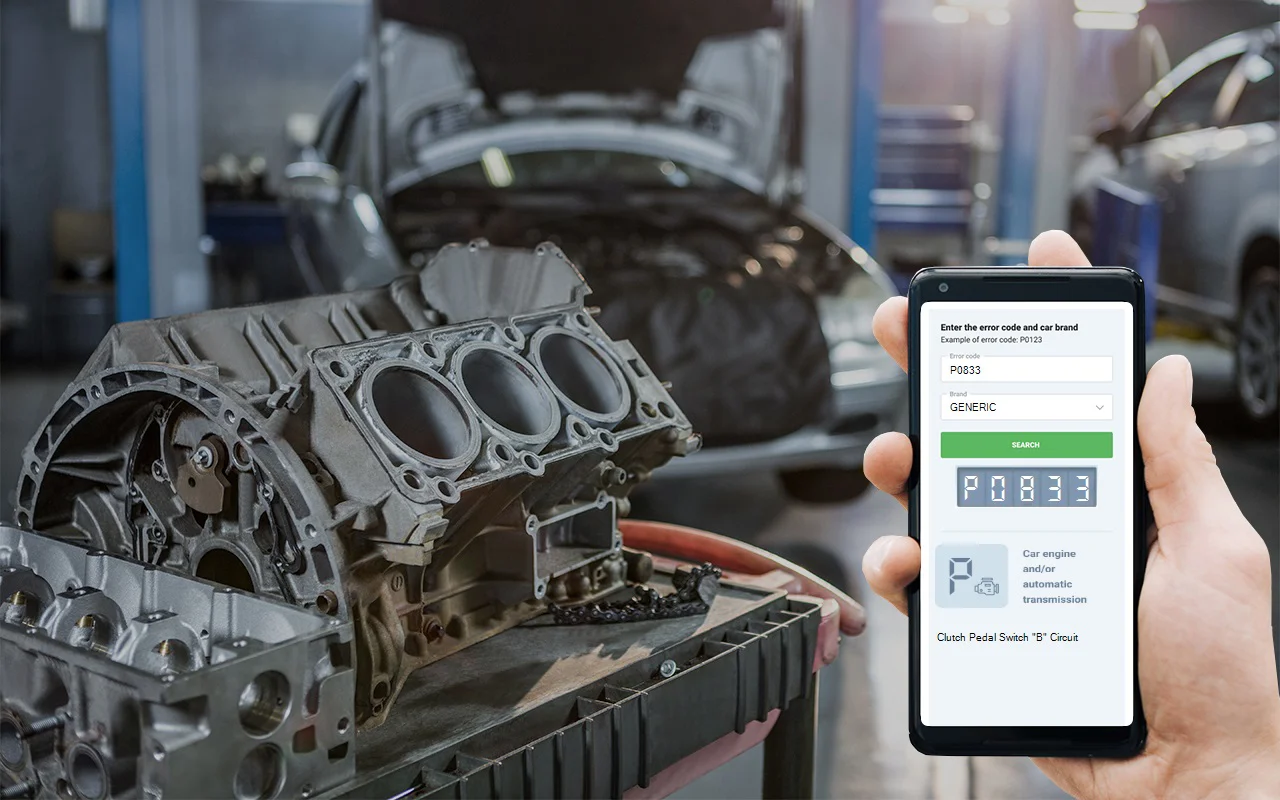
To wrap things up, P0833 is your car’s way of telling you the clutch pedal switch circuit isn’t working right. Either the computer’s not seeing the signal it expects, or there’s a break somewhere in the system. That can keep your car from starting-or worse, let it start when it shouldn’t. Depending on the symptoms, this can go from an inconvenience to a real safety hazard in a hurry. Don’t put this repair on the back burner. The best approach? Get in there and check the switch, wiring, and connectors with a sharp eye. Replace or repair anything that looks suspect. Ignore this one, and you’re rolling the dice with safety-and nobody wants that.
 6105
6105 6 minutes of reading