
Causes of P0836 code
From experience, the most common reasons I see for a p0836 code are:
- A faulty 4WD selector switch-this is often the culprit, especially if it feels loose or doesn’t click properly.
- Problems inside the transfer case itself-sometimes the mechanism or internal sensors can fail.
- Damaged or corroded wiring-wires can get rubbed through, pinched, or corroded, especially if you drive in wet or salty conditions.
- Loose or broken ground straps for the control module-if the module isn’t grounded well, all sorts of electrical gremlins can pop up.
- Corroded, damaged, or loose connectors-these are common trouble spots, especially under the vehicle where moisture gets in.
- A blown fuse or faulty fuse link-sometimes it’s as simple as a fuse, but don’t just swap it without checking why it blew.
- In rare cases, a bad PCM or TCM (the vehicle’s computers) can be to blame, but that’s not where I’d start.
Symptoms of dtc P0836
Whenever this code shows up, you’ll often notice the 4WD system refusing to shift-maybe you’re stuck in 4WD low or 2WD high, and the switch just doesn’t respond. I’ve seen rigs where the transmission won’t go into gear at all, or the shifts are so harsh you feel it in your seat. The dashboard lights up with a 4WD warning or check engine light more often than not. If you’re trying to change drive modes and nothing happens, or you catch some odd noises coming from the transfer case, that’s your clue. Sometimes, though, you won’t spot anything wrong until you actually need 4WD and realize it won’t kick in.

Diagnosis process for obd code P0836
Here’s how I usually tackle this issue, step by step:
- First, I always check for any technical service bulletins (TSBs) for your specific make and model-sometimes there’s a known issue or a quick fix.
- Next, I check the fluid levels in both the transmission and the transfer case. Low or dirty fluid can cause shifting problems, so it’s best to rule that out early.
- Then, I do a thorough visual inspection of all the wiring and connectors related to the 4WD switch and the transfer case. I’m looking for obvious damage, corrosion, loose plugs, or burnt spots. Don’t forget to check the grounds-bad grounds are sneaky troublemakers.
- After that, I’ll test the 4WD switch itself. Sometimes you can feel if it’s loose or not clicking right, but I also use a multimeter to check for proper operation and continuity.
- If everything looks good so far, I’ll check the fuses and any related relays. Make sure to use the correct amperage if you replace any fuses.
- For more advanced checks, I use a digital multimeter to measure voltage and resistance in the circuit, following the wiring diagrams for your vehicle. If I find high resistance or an open circuit, that usually means a wiring or connector problem.
- If all the basics check out, I’ll move on to testing the transfer case actuator or internal sensors, and as a last resort, the control modules themselves.
It’s always a good idea to have someone help you operate the switch while you check things under the vehicle. And don’t forget-always disconnect the battery before poking around electrical connectors.
Common Mistakes when fixing P0836 engine code
I’ve seen a few common slip-ups with this code. The biggest one is replacing the 4WD switch or even the whole transfer case without checking the wiring first-bad wires or corroded connectors are way more common than a failed switch. Another mistake is skipping the ground checks; a loose or rusty ground strap can mimic all sorts of electrical problems. People also sometimes overlook the fuses or just swap them without figuring out why they blew in the first place. And finally, not checking for TSBs can mean missing out on an easy fix that the manufacturer already knows about.

Seriousness of obd2 code P0836
This isn’t a code you want to ignore. While it might seem like just an inconvenience, if the transfer case gets stuck in 4WD low or neutral, you could end up stranded or unable to drive at highway speeds. Worse, if you’re stuck in the wrong gear, it can put extra stress on the transmission and engine, leading to expensive damage down the line. In some cases, the vehicle might not move at all. Honestly, things can go south quickly if you let this slide. It’s best to get it checked out before you end up with a bigger (and pricier) repair bill.
Repair solutions for P0836 trouble code
Most often, the fix comes down to one of these:
- Replacing a faulty 4WD switch or actuator.
- Cleaning or repairing corroded connectors and terminals.
- Repairing or replacing damaged wiring in the circuit.
- Replacing a blown fuse or fixing a bad ground connection.
- In rare cases, reprogramming or replacing the PCM or TCM if they’re found to be faulty.
From experience, it’s best to start with the simple stuff-wiring, connectors, and fuses-before moving on to the more expensive components.


Conclusion
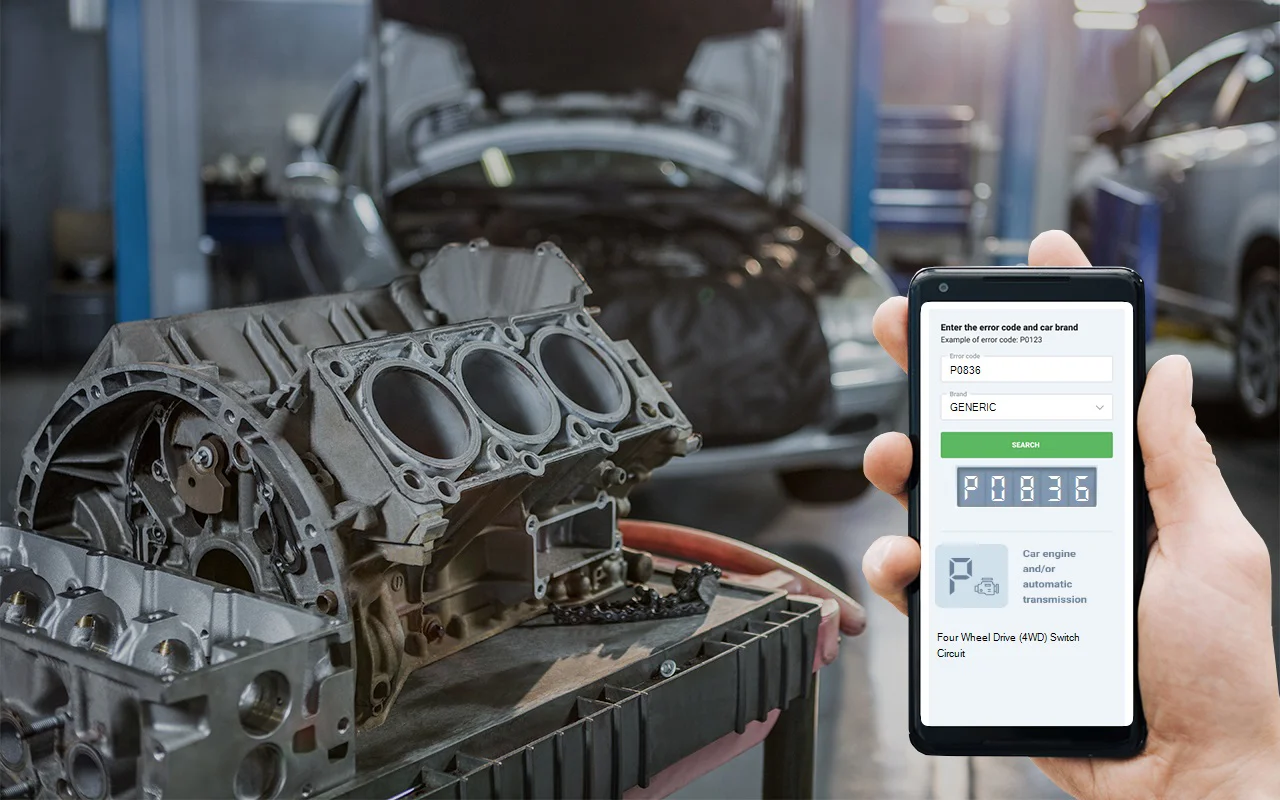
To sum it up, P0836 means your 4WD switch circuit isn’t working right, which can leave you stuck in the wrong drive mode or unable to shift at all. It’s a moderate to serious issue that can quickly turn into a major headache if ignored. I always recommend starting with a careful inspection of the wiring, connectors, and grounds, then moving on to the switch and transfer case components. Don’t put this off-getting it diagnosed and fixed promptly is the best way to avoid bigger problems and keep your vehicle safe and reliable.
 4835
4835 6 minutes of reading