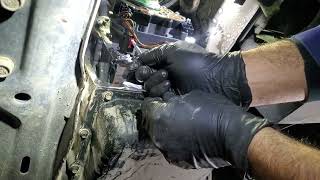
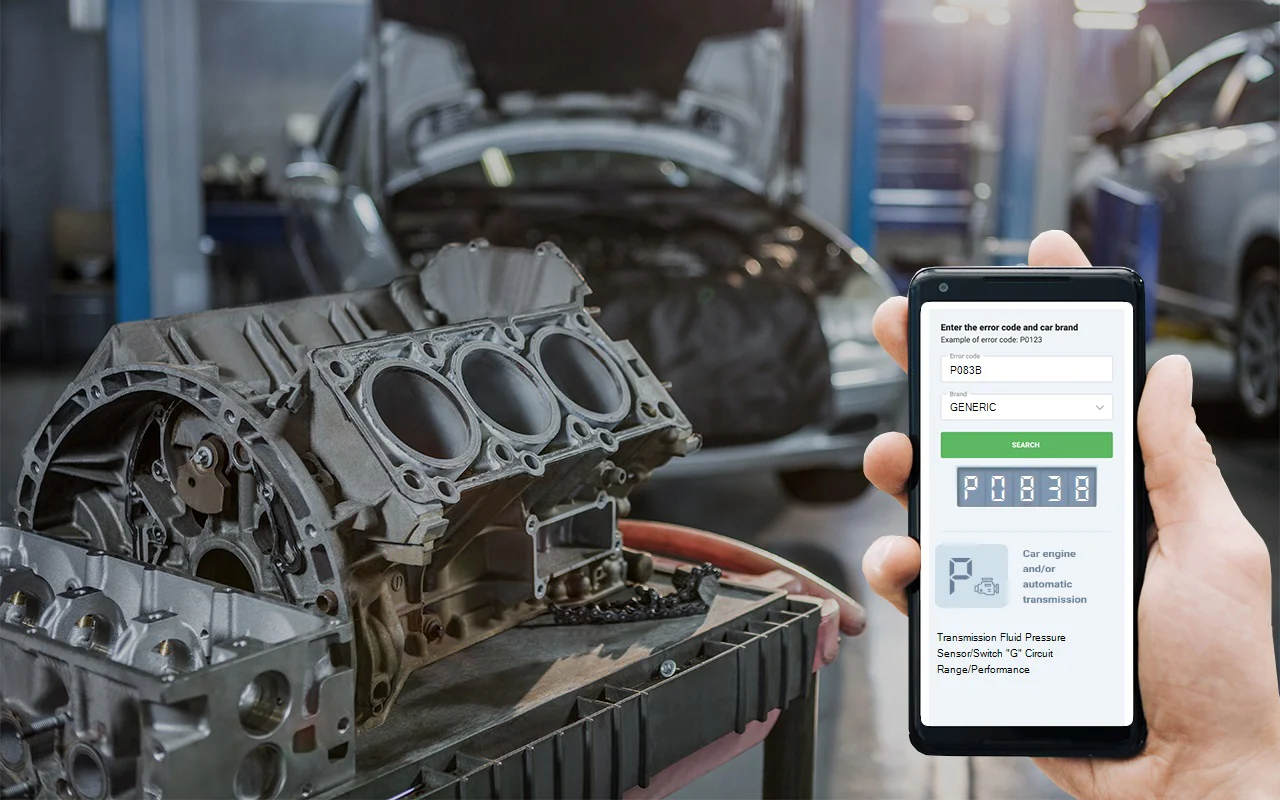
Let me break down what the P083B code actually means for your vehicle. This code stands for “Transmission Fluid Pressure Sensor/Switch ‘G’ Circuit Range/Performance.” In plain English, your car’s computer is keeping an eye on a specific sensor inside the transmission-the transmission fluid pressure (TFP) sensor, specifically the one labeled as circuit “G.” This sensor’s job is to measure the pressure of the fluid moving through a certain part of your transmission and send that information to the control module (either the TCM or PCM). If the signal from this sensor isn’t what the computer expects-maybe it’s too high, too low, or just doesn’t make sense-it triggers the P083B code. This is all about making sure your transmission shifts gears smoothly and efficiently, so when something’s off here, it can affect how your car drives.
DTC P083B
 4449
4449 6 minutes of reading
Causes of P083B trouble code
From what I’ve seen in the shop and according to the official service info, there are a handful of usual suspects when it comes to the p083b. Most often the issue is with the transmission fluid pressure sensor itself-it can wear out or fail over time. But I’ve also run into cases where the problem is actually with the wiring or connectors going to that sensor, or even a bad transmission control module (TCM). Low transmission fluid is another big one-if the fluid’s low, the sensor can’t get a proper reading. Sometimes, the issue goes deeper, like a problem with the valve body or even internal transmission damage. Here’s a rundown of what I see most:
- Faulty transmission fluid pressure sensor
- Wiring or connector issues (corrosion, loose pins, damaged wires)
- Low transmission fluid level
- Malfunctioning transmission control module (TCM)
- Valve body problems
- Internal transmission failure
Symptoms of dtc P083B
If you’re dealing with a dtc p083b, there are a few things you might notice right away. The most obvious is the check engine light coming on-that’s usually the first sign. From experience, I can say you might also feel the transmission not shifting as smoothly as it should, or maybe it’s hesitating or acting strange between gears. Some folks notice their fuel economy drops, too, since the transmission isn’t working as efficiently. So, if you’re seeing that light and your car feels a bit off when shifting, this code could be the culprit.

Diagnosis process for P083B
Here’s how I usually tackle a p083b, step by step. I always recommend starting with the basics before diving into the deep end. First, check your transmission fluid level and condition-make sure the car is on level ground, engine running, and the fluid is at the right mark. If it’s low or looks dirty, that’s a red flag. Next, I inspect the wiring and connectors going to the transmission fluid pressure sensor-look for anything loose, corroded, or damaged. Sometimes just unplugging and re-plugging the connector can help spot a bad connection. After that, I use a scan tool to read live data from the TFP sensor and see if the readings make sense compared to what the manual says. If the readings are way off, I’ll test the sensor itself, usually by back-probing the connector and checking voltage or resistance as specified in the service manual. If everything checks out up to this point, it may be time to look at the TCM or even internal transmission components, but I always rule out the simple stuff first. It’s better to have someone assist you when checking under the car, and don’t forget to double-check all the basics before moving on to more complex diagnostics.
Common mistakes during P083B code troubleshooting
I’ve seen a lot of folks jump straight to replacing the sensor without checking the wiring or fluid first, and that’s a surefire way to waste time and money. Another common mistake is ignoring the fluid level or using the wrong type of transmission fluid-both can cause all sorts of headaches. Sometimes people overlook connector corrosion or bent pins, which can mimic sensor failure. My advice: always start with the simple checks and don’t skip over the basics, no matter how tempting it is to go straight for the sensor or control module.

Seriousness of obd code P083B issues
This isn’t something you want to ignore. A faulty transmission fluid pressure reading can lead to poor shifting, which is not just annoying-it’s a real safety hazard. If the transmission isn’t shifting properly, you could end up stuck in the wrong gear or even lose power at the wrong moment. Plus, if the problem is low fluid or internal damage, driving like this can quickly turn a small issue into a major (and expensive) repair. Things can go south quickly if overlooked, and you don’t want this kind of trouble on the road. Parts at risk include the transmission itself, solenoids, and even the control module if the issue drags on.
Repair steps for P083B engine code
When it comes to fixing a p083b, here’s what I personally recommend based on what works in the field. First, top off or replace the transmission fluid if it’s low or dirty-use only the fluid type specified by the manufacturer. Next, repair or replace any damaged wiring or connectors you found during your inspection. If the sensor itself is faulty, swap it out with a new OEM-quality part. In cases where the TCM is the culprit, it may need to be reprogrammed or replaced. If you find internal transmission issues or valve body problems, those will require more in-depth repair-sometimes even a rebuild. Always clear the code and test drive the vehicle to make sure the fix worked before calling it done.
Conclusion
To sum it up, the P083B code means your transmission fluid pressure sensor “G” circuit isn’t sending the right signal, which can mess with how your car shifts and runs. This is a moderate to high-priority issue-don’t put it off, because it can lead to bigger problems fast. Start with the simple stuff: check the fluid, inspect the wiring, and test the sensor. Most of the time, fixing the basics will solve it, but if not, be ready to dig deeper. Acting quickly and following a step-by-step approach is the most reliable way to get your car back to normal and avoid costly damage down the road.