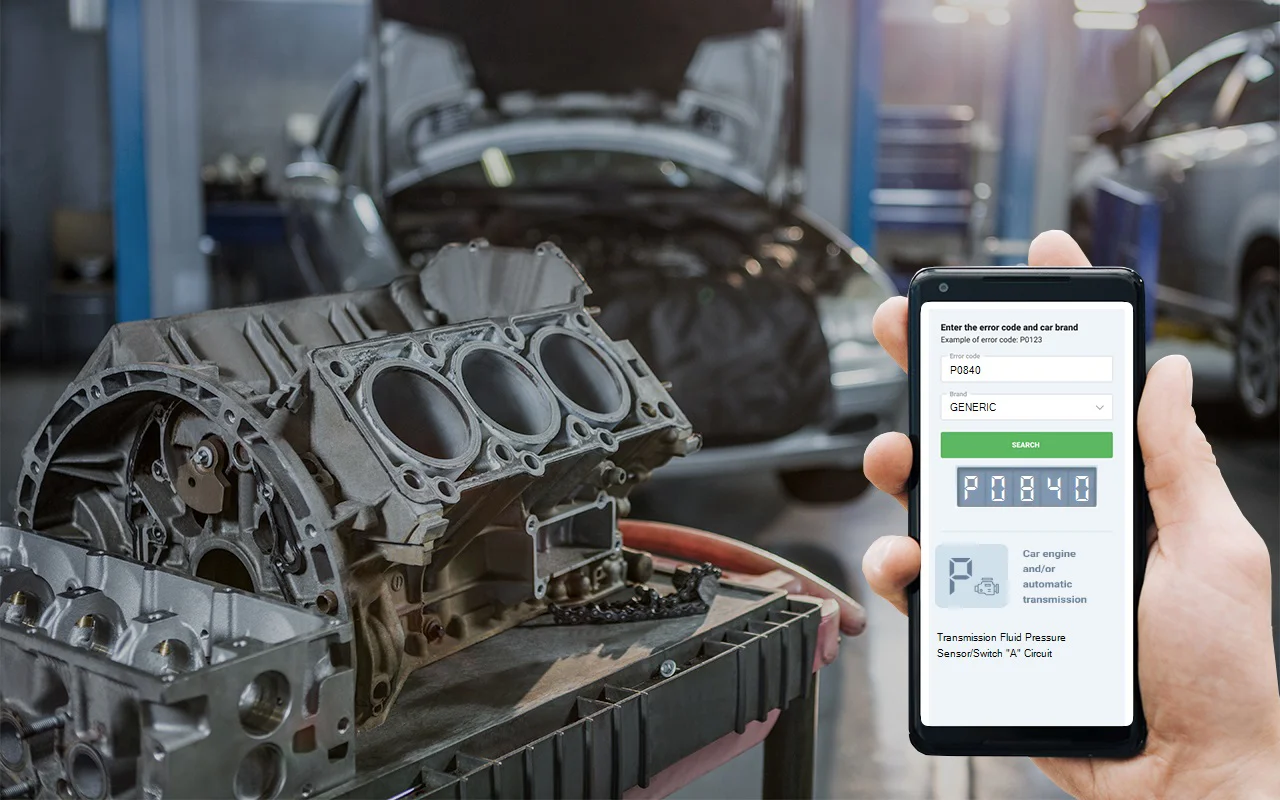
P0840-now there’s a code I’ve seen more than a few times in my years wrenching on transmissions. When your car’s computer spits this one out, it’s flagging a problem with the transmission fluid pressure sensor, specifically sensor ‘A,’ or the circuit it’s tied to. This sensor’s job? It tells your transmission control module-or sometimes the powertrain control module-exactly how much hydraulic pressure is running through the transmission. Why’s that matter? Because your ride depends on the computer having this info to shift gears at the right time and keep things running smooth. If the signal coming from that sensor is off, or there’s a wiring hiccup anywhere along the line, the computer basically throws up its hands and sets this code. And let me tell you, it isn’t always just an electrical gremlin-sometimes, low transmission fluid, a sticky valve body, or even problems deep inside the transmission itself can set off P0840. Bottom line: when you see this code, your transmission isn’t getting the pressure data it needs to do its job right.
DTC P0840
 4425
4425 7 minutes of reading
Common Causes of dtc P0840
From my time under the hood-and trust me, I’ve seen this one on everything from family sedans to work trucks-the top reasons for a p0840 code usually come down to a few suspects:
- A bad transmission fluid pressure sensor. That’s the little guy actually reading pressure inside your transmission.
- Electrical issues-think damaged wires, corrosion, or connectors that have worked themselves loose between the sensor and the computer.
- Low transmission fluid. If you’re running low, pressure readings go haywire and shifting suffers.
- Trouble with the valve body inside the transmission. If fluid can’t flow right, neither can the pressure signals.
- Internal transmission failure. Not as common, but if you’ve got a high-mileage rig, don’t rule it out.
- On rare occasions, the powertrain control module itself might be at fault.
Honestly, most of the time it’s the sensor or the wiring, but I always tell folks-check your transmission fluid first. It’s the easiest place to start, and you might get lucky with a simple top-off.
Recognizing Symptoms of P0840 engine code
If you’re staring down a p0840 code, here’s what you’ll likely notice in the driver’s seat:
- That check engine light will glow-sometimes that’s your only early warning.
- Your transmission could start acting up-rough shifts, delayed gear changes, or just plain not shifting when it should.
- Gas mileage might drop, since the transmission isn’t running at peak efficiency anymore.
- Every once in a while, your car might kick itself into ‘limp mode.’ When that happens, you’ll feel it-suddenly, you’re stuck in one gear and acceleration is sluggish at best.
Take it from me: if you spot any of these, especially shifting issues or limp mode, don’t brush them off. Problems can snowball fast if you ignore the early signs.

How to Diagnose a P0840 trouble code
Let me walk you through how I’d tackle a p0840 code when a car rolls into my bay:
- First thing’s first-pop the hood and check your transmission fluid. Level and condition both matter. Fluid that’s low or looks like it’s seen better days can cause all sorts of weird problems. Always check it with the car level and the engine up to temp, just like the factory says.
- If the fluid checks out, take a close look at the wiring and connectors going to the pressure sensor. Corrosion, broken wires, or a loose harness can be easy to miss but cause big headaches. I like to have someone wiggle the harness while I watch the sensor data-sometimes that’s all it takes to spot an intermittent problem.
- Grab a scan tool and watch the live data from the pressure sensor. If it’s reading way off, or doesn’t change when it should, that’s a big clue the sensor’s toast.
- If wiring and sensor seem solid, the next step is more involved-checking the valve body and possibly dropping the transmission pan to look for internal issues. That’s usually a job for someone comfortable getting their hands dirty.
- And here’s a garage secret: always check for any technical service bulletins (TSBs) related to your car and this code. Manufacturers sometimes issue updates or fixes that can save you hours of head-scratching.
I always recommend ruling out the simple stuff before tearing into the expensive repairs. You’d be surprised how often it pays off.
Common Mistakes When Fixing P0840 code
Over the years, I’ve watched plenty of folks trip up on these common mistakes when chasing down a p0840 code:
- Swapping out the sensor right away without checking the wiring or fluid. That’s a quick way to throw money at the problem without fixing it.
- Missing a low fluid level, or using the wrong spec fluid for the transmission. Always double-check your owner’s manual-getting this wrong can cause more trouble than you started with.
- Ignoring a little corrosion or minor wiring damage. It’s amazing how often a tiny electrical issue turns into a major headache.
- Not bothering to look up the exact repair manual for their car. Sensor locations and wiring diagrams can vary-even between models from the same brand. Don’t just guess.
My best advice? Slow down and cover the basics first. It’ll save you time, cash, and a whole lot of frustration.

The Seriousness of obd2 code P0840
Trust me, this isn’t a code you want to ignore. Letting a p0840 slide can do real damage to your transmission. Without accurate pressure readings, shifting gets rough, things can overheat, and before you know it, you’re looking at slipping gears or even a total transmission meltdown. That’s not just expensive-it can be downright dangerous if your car suddenly loses power or gets stuck in limp mode out on the road. I’ve seen clutches, solenoids, and even the transmission control module get fried from letting this go too long. Bottom line? Don’t gamble with your transmission. Get it checked as soon as you can.
How to Repair obd code P0840
When it comes to actually fixing a p0840, here’s what’s worked for me and what the factory service guides usually recommend:
- If the sensor’s bad, replace it. Simple as that.
- Found bad wiring or a crusty connector? Repair or replace those, making sure everything’s clean and tight.
- If the fluid’s low or dirty, top it off or do a fluid change-and always fix any leaks so you don’t end up right back where you started.
- Valve body issues might mean cleaning or swapping out problem components. That’s a bit more advanced, but it’s sometimes the root cause.
- In those rare, unlucky cases, you might have to repair or replace the transmission control module or tackle internal transmission repairs if the damage is deeper.
Personally, I always start simple-sensor, wiring, fluid-before digging into the big jobs. It’s amazing how often the fix is easier than you’d think.
Conclusion
If you’ve got a P0840, what it really means is your car’s computer isn’t getting the right pressure info from the transmission-and that can lead to all sorts of shifting and drivability headaches. Don’t sit on it. This problem can snowball fast, and repairs only get pricier the longer you wait. Always start with the basics: check your fluid, inspect the wiring, and test the sensor. If those check out, then you can start thinking about deeper transmission work. Tackle it early, and you’ll save yourself a world of trouble (and a fat repair bill) down the road.