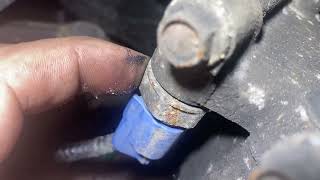
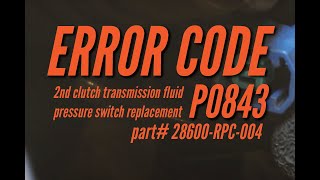
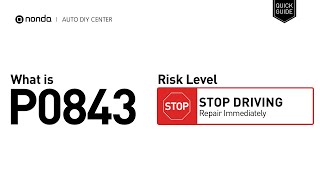
When you see that P0843 code pop up, what your car’s telling you is that it’s getting a voltage signal from the transmission fluid pressure sensor (TFPS) that’s higher than it should be. In my years working on transmissions, I’ve learned this sensor is a real workhorse-it tracks the hydraulic pressure inside your gearbox, which is absolutely vital for smooth shifting and proper operation. If that signal goes out of whack, your vehicle’s computer (the PCM or TCM) immediately knows something’s off and throws this code. Usually, the sensor or its wiring is the troublemaker, though occasionally, the issue goes deeper-maybe even as far as a glitchy control module. So, at its core, this code is the car’s way of making sure it’s getting the right pressure info, keeping your transmission from tearing itself apart.
DTC P0843
 5601
5601 6 minutes of reading
Main Causes of P0843 Trouble Code
From experience, the number one cause of a p0843 code is a bad transmission fluid pressure sensor. I can’t count how many times I’ve swapped out a faulty TFPS. But don’t let that fool you-wiring issues are right up there too. I’ve traced plenty of headaches back to a chafed wire, a corroded connector, or even just a pin that’s worked itself loose in the harness. Control module issues? Possible, but rare enough that I save those for last. Here’s what you should keep an eye out for:
- Bad transmission fluid pressure sensor (TFPS)
- Busted, shorted, or corroded wiring or connectors in the TFPS circuit
- Problem with the PCM or TCM (not common, but not impossible)
If you ask me, always start with the sensor and its wiring before spending money on pricier parts. Nine times out of ten, that’s where the trouble lies.
Recognizing Symptoms of P0843
Whenever this code comes up, you can almost bet your check engine light will flick on. But that’s just the beginning. What I often hear from drivers is their transmission starts acting strange-it might refuse to shift, or it’ll get stuck in one gear (we call that limp mode in the shop). Sometimes, your car just feels lazy, like it lost its get-up-and-go. If you’re dealing with any of these issues, especially alongside the check engine light, there’s a strong chance p0843 is lurking in the background.

Effective Diagnosis Steps for a P0843 Code
Let me walk you through how I’d handle a p0843 code in my own bay. First things first: check your transmission fluid. Low or dirty fluid causes all sorts of weird behavior-don’t overlook it. Next, I’ll hook up a scan tool to confirm the code and sniff out any related ones that could point in a different direction. After that, I get up close and personal with the wiring and connectors that lead to the TFPS. I’m talking a good visual inspection-look for cracks, corrosion, or wires that look chewed up. Sometimes, just jiggling the connector while watching the scan tool will show you if the problem’s intermittent. If everything looks solid, I’ll grab my multimeter and test the sensor for proper voltage and resistance, following the specs straight from the repair manual. Bad sensor? Replace it. If the sensor checks out, I move on to checking the wiring between the sensor and the PCM/TCM for continuity and shorts. Only if all that’s good do I start thinking about a bad control module. Here’s a pro-tip: Always disconnect your battery before unplugging connectors. And if you’re crawling under the car, a second set of hands is never a bad idea.

Avoiding Common Mistakes with the P0843 Engine Code
A classic mistake I see all the time is folks swapping out the transmission fluid pressure sensor right away-no questions asked-without checking the wiring or even the fluid first. Another misstep is testing the TFPS without the right specs from the service manual. Guessing here just wastes time and money. And don’t ignore those connectors-corrosion inside can be sneaky and cause no end of trouble. Finally, make sure you clear the code and take it for a decent test drive after repairs. If you don’t, you won’t know for sure if you’ve solved the problem.

The Seriousness of dtc P0843
I’ll be straight with you: this code isn’t the kind you can brush off and hope it goes away. When your transmission isn’t seeing the right pressure readings, it’ll often kick itself into limp mode to avoid bigger problems. That means you could be stuck puttering along, barely able to accelerate-or not shifting at all. Keep driving like this and you’ll risk frying some expensive components inside your transmission-think clutches, solenoids, and yes, even the control module. It’s not just inconvenient; it can turn into a safety issue if your car won’t shift when you need it to. Bottom line: get it checked and fixed ASAP.
Recommended Repairs for obd code P0843
In most cases, fixing a p0843 code means you’ll be replacing a faulty transmission fluid pressure sensor or patching up damaged wiring or corroded connectors in that circuit. Sometimes you’ll get lucky and a thorough cleaning of the connectors is all it takes. If both the sensor and wiring pass the tests and you’re still staring down that code, then-and only then-do you start thinking about swapping out the PCM or TCM. Always stick to the repair steps in your vehicle’s service manual, and don’t forget to clear the code and take a solid test drive to confirm you’ve nailed the fix.
Conclusion
At the end of the day, P0843 means your car’s computer is getting a signal it doesn’t like from the transmission fluid pressure sensor. This is a high-priority fix-let it slide, and you could be looking at serious transmission damage and a car stuck in limp mode. The smartest way to handle it is to methodically check your basics: fluid first, then wiring and connectors, then the sensor itself. Only chase the control module if the rest checks out. Get on it quickly and you’ll save yourself a lot of headaches, not to mention costly repairs, down the road. Take it from someone who’s seen these problems turn ugly-don’t wait.