
Causes of dtc P0844
When I’m dealing with a P0844, these are the most frequent problems I run into:
- An intermittent open in the TFPS signal wiring - those wires can break or get pinched, especially with age or rough roads.
- Shorts to voltage or ground - sometimes you’ll find chafed wires touching where they shouldn’t.
- TFPS sensor failure - honestly, this is the top cause in most cases.
- Internal mechanical issues in the transmission - leaks, cracks, sticky valves, or even a missing check ball in the valve body can all throw things off.
- PCM/TCM failure - this one’s rare, but I’ve seen it after everything else checks out.
In my shop, most of the time it’s the sensor or the wiring - especially if your car’s seen a lot of wet weather, salty roads, or just plain old age.
Symptoms of P0844
When this code’s active, there are a few telltale signs you should watch for:
- Check engine light comes on - that’s your first warning.
- Shifting gets rough, sluggish, or just feels off - not the crisp changes you’re used to.
- Your car might stubbornly start out in 2nd or 3rd gear instead of 1st - we call that limp mode in the trade.
From what I’ve seen, drivers will often complain that the car feels heavy or won’t pick up speed like before. Don’t shrug it off - these symptoms mean something’s up.

Diagnosis and Testing for P0844 engine code
Here’s my go-to process when I’m chasing down a P0844 code:
- Check for any Technical Service Bulletins (TSBs) for your specific make and model - sometimes there’s already a known fix or pattern failure.
- If you’ve got multiple transmission fluid pressure codes or voltage-related codes, tackle those first since they can trigger a P0844.
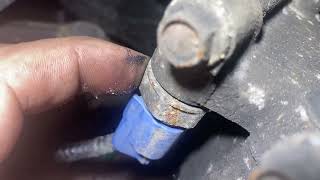
- Find the TFPS sensor - usually bolted to the side of the transmission valve body or case.
- Give the wiring and connector a good visual inspection. Look for any signs of damage, corrosion, or loose pins. Pay close attention to signs like melted plastic, burnt spots, or that green corrosion you get with moisture exposure.
- Unplug the connector and take a look at the terminals inside - clean off any corrosion or burning with electrical contact cleaner and a soft brush. Let it dry, then use dielectric grease before plugging back in.
- Clear the code using a scan tool and see if it returns. If it doesn’t, your problem was likely just a bad connection.
- If the code comes back, it’s time to break out the voltmeter. With the ignition off, unplug the TFPS and check for the right voltage at the harness (should be 5V or 12V, depending on your car). Wiggle the wiring while you’re at it - intermittent issues can hide until you move things around.
- If voltage is out of whack, you’ll need to fix the power or ground circuit. If the voltage checks out, use an ohmmeter to check the sensor’s resistance against manufacturer specs. Again, wiggle the connector and watch for changes.
- If resistance is off, swap out the TFPS sensor. If the sensor and wiring are both good but the code’s still there, you may have a deeper issue inside the transmission or with the PCM/TCM - but that’s not common.
Don’t be afraid to ask for a hand if you’re not comfortable with electrical testing. And always double-check for other codes that could be pointing you in the right direction.
Common Mistakes When Addressing P0844 trouble code
I can’t tell you how many times I’ve seen folks replace the TFPS sensor right away, only to find out it was just a bad wire or a corroded connector causing headaches. Another one I see a lot: skipping over loose pins or corrosion - these little details can cause all sorts of intermittent problems that’ll drive you nuts. And don’t forget about TSBs - sometimes there’s a manufacturer fix right there for the taking. Bottom line? Always start with the basics before throwing parts at the problem.

Seriousness of obd2 code P0844
Take it from me - this is one you don’t want to let slide. Transmission fluid pressure is the lifeblood of your shifting system. If you ignore this code, you risk burning up the valve body, clutches, or even frying the PCM/TCM if there’s an electrical gremlin in the mix. Things can go sideways in a hurry, and you could be staring down a massive repair bill. My advice? Park it and address the problem before it snowballs.
Repair Options for P0844 code
Here’s what I’ve found to be the most dependable fixes for a P0844:
- Repair or replace any damaged wiring or connectors going to the TFPS.
- Clean the electrical contacts and hit them with dielectric grease to keep moisture and corrosion at bay.
- If the TFPS fails resistance or voltage checks, swap it out for a new one.
- If the wiring and sensor check out, look for internal transmission issues - leaks, sticky valves, or missing check balls can all be culprits.
- Only reprogram or replace the PCM/TCM after you’ve exhausted all other options and confirmed it’s the root cause per OEM guidelines.
Follow your repair manual closely and always double-check your work before buttoning everything up - saves headaches down the line.


Conclusion
Bottom line? P0844 means your car’s computer isn’t happy with the transmission fluid pressure signal it’s getting. Most times, it comes down to a wiring or sensor problem, but every so often it’s something deeper in the transmission. Don’t ignore what your car’s trying to tell you. Start by inspecting the basics - wiring, connectors, and TSBs - and only move to replacing parts once you’ve tested everything. Quick, careful troubleshooting now can save you a world of hurt (and expense) later on, keeping your ride running smooth and safe.
 4897
4897 6 minutes of reading