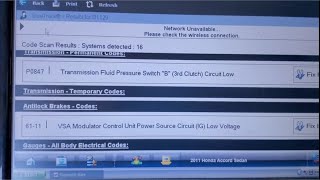
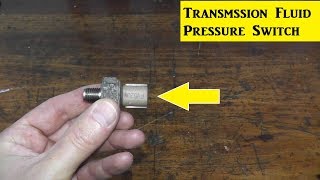
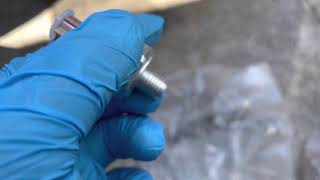
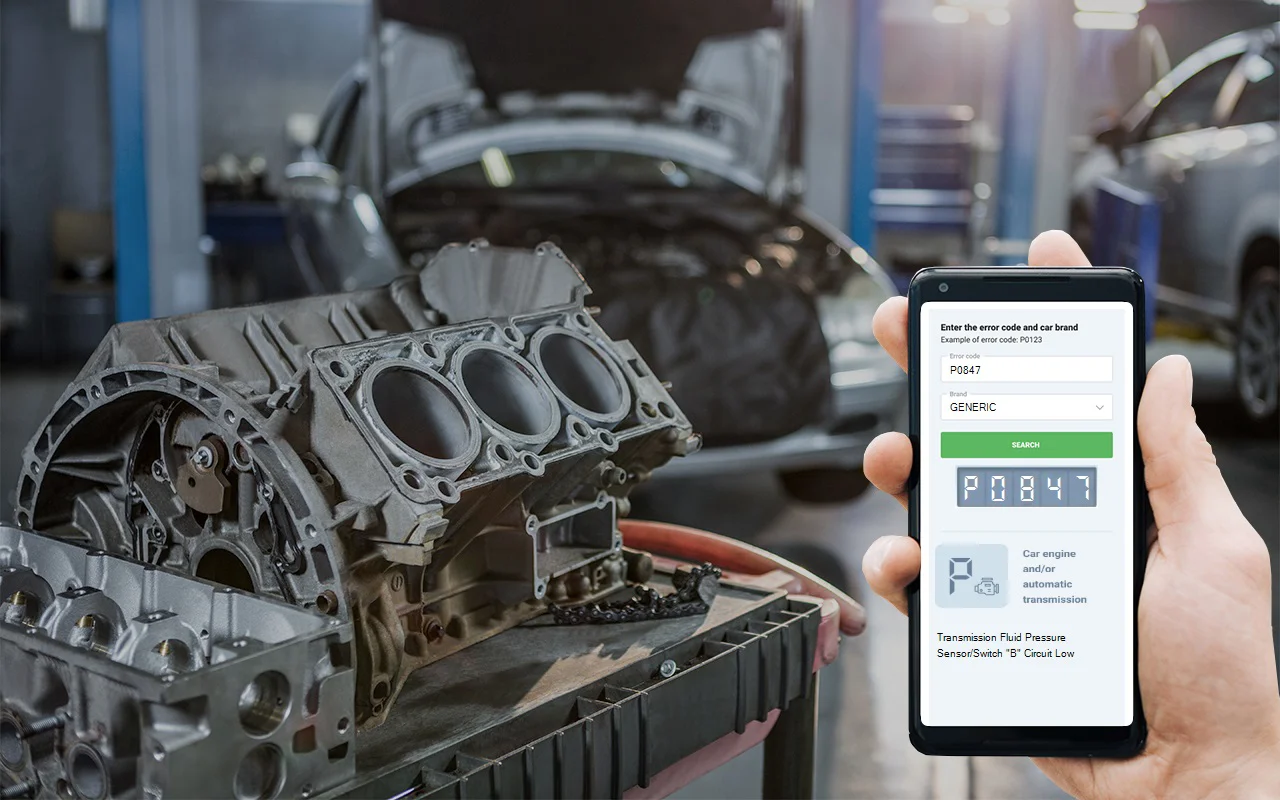
Let me break down what P0847 means for you. This code is telling us there’s a problem with the Transmission Fluid Pressure Sensor/Switch ‘B’ Circuit, specifically that the signal is reading lower than it should. The sensor’s job is to keep tabs on the hydraulic pressure inside your transmission, which is crucial for smooth gear changes and overall transmission health. The powertrain control module (PCM) relies on this sensor’s feedback to make sure your transmission is operating correctly. If the PCM sees a signal outside the expected range, it triggers this code. In most vehicles, this sensor helps the transmission know when and how to shift, and if it’s not working right, you can end up stuck in a limited gear range or limp mode. It’s all about making sure your transmission gets the right information to function safely and efficiently.
DTC P0847
 5019
5019 6 minutes of reading
Causes of dtc P0847
From what I see most often in the shop, P0847 usually pops up because of a few key issues. Here’s what tends to be behind it:
- A failed transmission fluid pressure sensor or switch - this is the most common culprit.
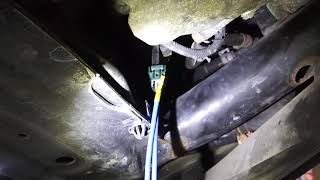
- Problems with the wiring or connectors in the sensor’s circuit - sometimes it’s just a loose plug or damaged wire.
- Low transmission fluid level - don’t overlook this, as it can set off all sorts of trouble codes.
- Issues with the PCM or transmission control module (TCM) - rare, but possible.
- Internal transmission mechanical problems - not as common, but worth considering if the basics check out.
In cases like this, I recommend starting with the sensor and wiring before moving on to the more complex stuff. This trouble code can also show up on models from Honda, Nissan, and other manufacturers, so always check your specific vehicle’s common problem areas, like the 2011 model year for certain brands.
Symptoms of obd2 code P0847
If your car’s showing a P0847 code, here’s what you’re likely to notice:
- The check engine light will be on - that’s usually your first clue.
- You might feel the transmission isn’t shifting smoothly, or it’s stuck in one gear (often 3rd or 6th, depending on the fail-safe mode).
- Fuel efficiency can take a hit, since the transmission isn’t operating optimally.
- Sometimes, the car goes into limp mode, which limits performance to protect the transmission.
Honestly, these symptoms can make driving frustrating and even risky if you need to accelerate or merge quickly. For instance, if you’re driving a 2011 Honda Pilot and encounter this code, these symptoms will be quite similar.

Diagnosis steps for P0847 code
Here’s how I tackle a P0847 code, step by step:
- First, I check the transmission fluid level and condition. Low or dirty fluid can trigger this code, so make sure it’s topped up and clean.
- Next, I inspect the wiring and connectors at the transmission fluid pressure sensor. Look for corrosion, loose connections, or damaged wires. It’s better to have someone assist you if you’re not comfortable with electrical checks.
- If the wiring checks out, I move on to testing the sensor itself. Using a multimeter, I check for proper voltage and continuity according to the OEM specs. If the readings are off, the sensor is likely bad.
- If the sensor and wiring are good, I scan for any related codes that might point to PCM or TCM issues. Sometimes, a software update or reflash is needed, but that’s rare.
- If everything above checks out and the problem persists, I consider internal transmission issues, but that’s usually a last resort.
Don’t forget to consult your vehicle’s service manual for specific test procedures and specs - every car can be a little different. This process applies whether you’re working with Honda, Nissan, or other affected brands.
Common Mistakes when repairing P0847
One thing I see a lot is folks replacing the sensor right away without checking the fluid level or wiring. That’s a surefire way to waste time and money. Another mistake is ignoring the connectors - even a tiny bit of corrosion can cause big problems. Also, skipping the step of checking for related codes can mean missing a bigger issue with the PCM or TCM. Make sure to inspect everything before moving on to expensive repairs. This applies to a wide range of vehicles, including those where p0847 nissan errors are common.

Seriousness of P0847 trouble code
This isn’t something you want to ignore. Driving with a P0847 code can leave you stuck in limp mode, unable to shift properly, and that’s a serious hazard if you’re on the highway or in traffic. If the underlying issue is low fluid or a wiring problem, it can quickly lead to transmission damage. Things can go south fast if overlooked - you don’t want to end up with a costly transmission rebuild just because a simple fix was delayed. Components at risk include the transmission itself, the PCM/TCM, and even related sensors.
Repair options for obd code P0847
Here’s what usually fixes a P0847 code:
- Top off or replace the transmission fluid if it’s low or dirty.
- Repair or replace any damaged wiring or connectors in the sensor circuit.
- Replace the transmission fluid pressure sensor/switch if it fails testing.
- Update or reflash the PCM/TCM if there’s a confirmed software issue (rare, but possible).
- If all else fails, and internal transmission problems are found, more extensive repairs may be needed - but that’s not common for this code.
I personally recommend starting with the simple stuff first - fluid and wiring - before moving on to sensor replacement or module checks. If you’re dealing with a specific car such as a Honda Pilot, always use the proper diagnostic steps for that model.
Conclusion
To sum it up, P0847 means your transmission isn’t getting the right pressure signal, which can cause shifting issues and limp mode. It’s important to diagnose this quickly to avoid bigger problems. Most often, the fix is straightforward - check the fluid, inspect the wiring, and test the sensor. Don’t put this off for later, because the risks just aren’t worth it. The most reliable way to resolve this is to follow a step-by-step diagnostic approach, starting with the basics and moving up as needed. If you’re not comfortable with electrical checks or transmission work, it’s best to get professional help to make sure your car stays safe and reliable.