
Causes of obd code P084C
From experience, the most common reasons for seeing a P084C code are usually electrical in nature. Here’s what I typically find:
- A short to ground in the wiring going to the transmission fluid pressure sensor (TFPS)-this is a frequent culprit.
- A failed TFPS sensor itself, often due to internal shorting or just plain wear and tear.
- Corroded or damaged connectors at the sensor, especially if the sensor is mounted outside the transmission where it’s exposed to the elements.
- Rarely, a problem with the PCM or TCM (the vehicle’s computer), but that’s not common unless there’s been water intrusion or a botched repair.
Honestly, most of the time, it’s the wiring or the sensor itself. I recommend starting your checks there before worrying about anything more complicated.
Symptoms of P084C engine code
If you’ve got a P084C code active, you’ll probably notice a few things right away. The check engine light will be on, for starters. You might feel the transmission shifting differently-sometimes it’ll be rough, delayed, or just not as smooth as usual. In some cases, the car might even start off in second or third gear instead of first, which makes it feel sluggish when you try to accelerate. That’s the computer’s way of protecting the transmission from further damage. If you’re noticing any of these symptoms, it’s a good idea not to ignore them.

Diagnosis steps for P084C
Here’s how I usually tackle a P084C code, step by step:
- First, I always check for any Technical Service Bulletins (TSBs) related to this code for your specific vehicle. Sometimes, the manufacturer already knows about a common issue and has a fix.
- Next, I locate the transmission fluid pressure sensor (TFPS). It’s usually on the side of the transmission or inside the valve body. If you’re not sure, a repair manual or diagram can help.
- Then, I do a thorough visual inspection of the wiring and connectors. Look for any signs of rubbing, cuts, melted plastic, or corrosion-especially that greenish tint that means moisture has gotten in. Don’t forget to check both the sensor and the harness side.
- If you see any corrosion or dirt, clean the connectors with electrical contact cleaner and a soft brush. Let everything dry, then apply a dab of dielectric grease to keep moisture out.
- After cleaning, I clear the code with a scan tool and see if it comes back. If it doesn’t, you probably just had a bad connection. That’s the most common fix.
- If the code returns, I move on to electrical testing. With the key off, unplug the sensor and use a digital voltmeter to check for proper voltage at the connector. You should see either 5 or 12 volts, depending on your vehicle. If the voltage is off, there could be a wiring or computer issue.
- Next, I check the sensor’s resistance with an ohmmeter, comparing it to the specs in the service manual. If it’s way off, the sensor is likely bad and needs to be replaced.
- If all the wiring and the sensor check out but the code keeps coming back, then it’s time to consider a deeper problem-possibly with the PCM/TCM or even an internal transmission issue. At that point, I’d recommend getting a professional involved.
It’s best to have someone assist you if you’re not comfortable with electrical testing, and always double-check your work before moving on to the next step.
Common Mistakes when fixing P084C code
One thing I see a lot is folks jumping straight to replacing the sensor without checking the wiring and connectors first. That’s a surefire way to waste money if the real problem is just a dirty or corroded connection. Another common mistake is skipping the TSB check-sometimes there’s a known fix that can save you a lot of hassle. Also, don’t forget to check both sides of the connector, not just the sensor side. And finally, don’t overlook the basics: make sure the transmission fluid is at the right level and in good condition, since low or dirty fluid can sometimes cause odd electrical issues.

Seriousness of dtc P084C
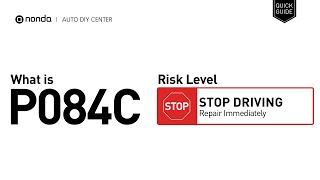
This isn’t something you want to put off. If you ignore a P084C code, you risk causing serious transmission damage. The computer might force the car into a limp mode to protect itself, but if the underlying issue is electrical, it can lead to harsh shifting, slipping, or even complete transmission failure over time. Components that can be damaged include the transmission clutches, solenoids, and even the control module itself if the problem is left unchecked. Honestly, things can go south quickly if overlooked, so it’s best to address this as soon as possible.
Repair solutions for obd2 code P084C
Most often, the fix for a P084C code is pretty straightforward. Here’s what usually works:
- Cleaning or repairing corroded or damaged connectors and wiring at the TFPS sensor.
- Replacing the TFPS sensor if it fails resistance or voltage tests.
- Repairing or replacing damaged wiring in the sensor circuit.
- In rare cases, replacing or reprogramming the PCM/TCM if it’s found to be faulty (after all other options are exhausted).
- Following any manufacturer-issued TSBs for your specific vehicle, as these sometimes include updated parts or revised procedures.
It’s best to start with the simple stuff-cleaning and inspecting connections-before moving on to parts replacement.


Conclusion
To sum it up, P084C means your transmission fluid pressure sensor isn’t sending the right signal to the computer, usually because of an electrical issue. It’s a moderate-to-high risk problem that can lead to serious transmission damage if ignored, so don’t put this off for later. The most reliable way to fix it is to start with a careful inspection and cleaning of the sensor’s wiring and connectors, then test the sensor itself, and only replace parts as needed. If you’re not sure or the problem keeps coming back, it’s wise to get a professional involved before things get worse.
 4972
4972 6 minutes of reading