
Causes and dtc P0874 Explained
From experience, the most common reasons I see for a P0874 code are:
- Intermittent open circuit in the wiring to the transmission fluid pressure sensor (TFPS)
- Intermittent short to voltage or ground in the TFPS wiring
- Faulty TFPS sensor itself - honestly, this is the top culprit in most cases
- Internal mechanical issues in the transmission, like leaks or stuck valves (less common, but possible)
- Rarely, a problem with the PCM/TCM (the car’s computer), but this is pretty unusual and usually only after everything else has been checked
Symptoms to Watch for with P0874 code
When this code is active, you’ll probably notice a few things. The check engine light will come on, for starters. You might also feel the transmission shifting differently - maybe it’s rough, delayed, or just not as smooth as usual. Sometimes, the car might even start off in second or third gear instead of first, which makes it feel sluggish when you try to accelerate. In some cases, you might not notice much at all, but it’s still important to get it checked out.

Diagnosis Steps for obd2 code P0874
Here’s how I usually go about diagnosing a P0874 code, step by step:
- First, I always check for any Technical Service Bulletins (TSBs) for your specific vehicle. Sometimes there’s a known issue with a straightforward fix.
- Next, I look for any other codes stored in the system, especially those related to power or other transmission pressure sensors. If there are, I tackle those first.
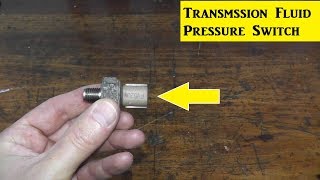
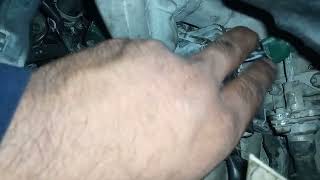
- Then, I locate the TFPS sensor. It’s typically on the side of the transmission or valve body. I do a thorough visual inspection of the sensor, its connector, and the wiring. I’m looking for things like frayed wires, corrosion, burnt spots, or loose connections. It’s a good idea to have someone help you wiggle the wiring while you watch for any changes.
- If I spot corrosion or dirt, I clean the terminals with electrical contact cleaner and a plastic brush, let them dry, and apply a bit of dielectric grease for protection.
- After that, I clear the code and see if it comes back. If it doesn’t, the issue was likely with the connection.
- If the code returns, I move on to electrical testing. With the key off, I disconnect the sensor and use a digital voltmeter to check for proper voltage at the connector (usually 5 or 12 volts, depending on the car). I also check for a good ground.
- If the wiring checks out, I test the sensor’s resistance against the manufacturer’s specs. If it’s out of range, I replace the sensor.
- If everything looks good but the code keeps coming back, I start to suspect an internal transmission issue or, in rare cases, a problem with the PCM/TCM.
Common Mistakes When Handling P0874 trouble code
Here’s a classic mistake I see all the time: folks go straight for a new sensor without even glancing at the wiring or connectors. That’s like throwing parts at the problem and hoping something sticks-not a smart move. Another one? Ignoring related codes or forgetting to check for TSBs. Both can steer you in the wrong direction fast. And don’t overlook the transmission’s insides-if everything electrical checks out, sometimes it’s a mechanical hiccup deeper in the unit. Take it from me, always check the basics before spending good money on new parts.

Seriousness of the P0874 engine code Issue
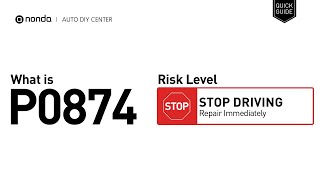
Let me be straight with you-this isn’t a code you want to brush off. If you keep driving with a P0874, you’re playing with fire. Poor shifting isn’t just annoying; it can put you in a dangerous spot, especially if your car suddenly loses power or locks into the wrong gear out on the road. The longer you ignore it, the bigger the risk of cooking your transmission-burnt fluid, fried clutches, or a total breakdown aren’t out of the question. Bottom line? Get it checked before you’re left stranded-or staring at a much bigger repair bill.
Repair Solutions for obd code P0874
When I’m fixing a P0874, here’s the playbook I follow:
- First off, I repair or replace any damaged, broken, or corroded wiring or connectors at the TFPS sensor. A lot of problems start right there.
- If the sensor itself fails resistance or voltage checks, out it comes and in goes a new one.
- Now, if the electrical side is all good but the code won’t quit, it’s time to dig into the transmission. That could mean patching up leaks, freeing stuck valves, or-if things have really gone sideways-rebuilding part of the trans.
- Only after ruling out everything else do I consider reprogramming or swapping the PCM/TCM. That’s a rare fix, but it’s on the list if all else fails.

Conclusion
If you take one thing away from this, make it this: P0874 signals your car’s computer isn’t happy with what it’s hearing from the transmission fluid pressure sensor. Most of the time, it’s a wiring or sensor hiccup, but don’t rule out something deeper in the transmission. Start with the simple stuff-give the wiring and connectors a good look, then run the sensor through some tests before tearing into bigger repairs. Don’t let this one slide-these things have a way of snowballing if left alone. Stick to a step-by-step approach, beginning with the basics, and you’ll save yourself time, money, and a whole lot of headaches down the road. That’s the way I’ve kept my customers rolling safely for years.
 4119
4119 6 minutes of reading