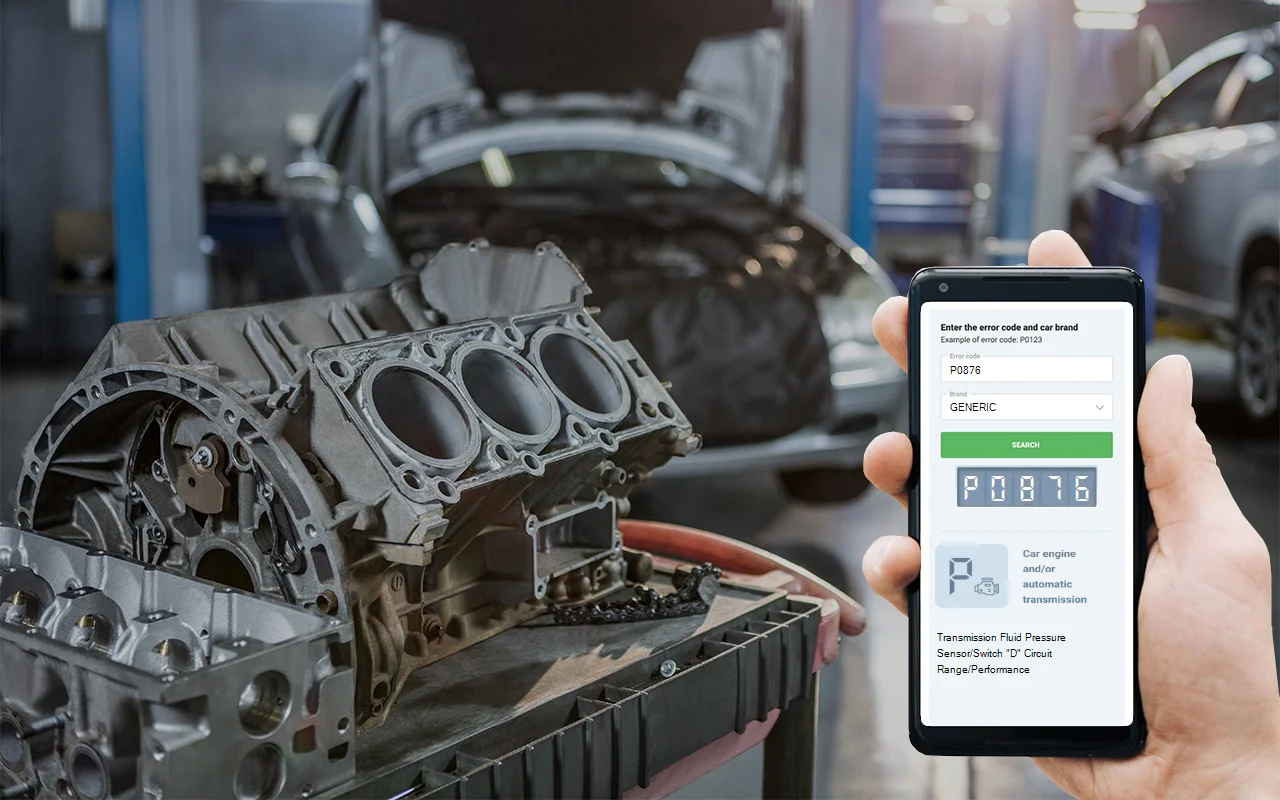
When you see the p0876 code show up, your car’s basically telling you that it isn’t happy with what it’s hearing from the transmission fluid pressure sensor, particularly on the “D” circuit. Let me break it down from years in the shop: This little sensor keeps an eye on the fluid pressure inside your transmission and relays that info to your car’s brain-the TCM or PCM. That data is what helps the computer figure out when to shift and how hard to do it, making sure your transmission runs smoothly. If the voltage coming from this sensor suddenly falls out of the expected range, or if there’s something physically wrong inside the trans, you’ll get this code. Most of the time, you’ll find the sensor tucked either up near the valve body or threaded into the side of the transmission case. So, when this code pops up, it’s your car’s way of waving a flag: “Hey, I can’t trust my pressure readings right now.”
DTC P0876
 6174
6174 6 minutes of reading
Causes of dtc P0876
In my experience, nine times out of ten the p0876 code comes down to a bad transmission fluid pressure sensor. But don’t get tunnel vision-there’s a handful of other things that can cause it, and I’ve seen all of them at one point or another. When I’m tracking this down, here’s my usual order of attack:
- A failed or weak transmission fluid pressure sensor or switch
- Wiring or connector problems-think corroded pins, frayed wires, or a loose plug
- Low fluid level in the trans, sometimes from a sneaky leak you haven’t spotted yet
- Issues inside the valve body itself (sticky valves, worn parts, you name it)
- A TCM that’s gone haywire
- Internal transmission trouble-stuff like worn clutch packs or blown seals
Usually, the culprit’s the sensor or a wiring gremlin, but don’t skip checking the basics. If those are all good, it’s time to dig deeper.
Symptoms and P0876
Once P0876 sets in, you’ll probably spot a few telltale signs. First up: that dreaded check engine light. But that’s just the start. From what I’ve seen, you might notice the transmission starts shifting weird-maybe it hangs onto a gear too long, or refuses to upshift. You could get slipping, hesitation when you step on the gas, or even a sudden drop in your miles per gallon. Sometimes, the car feels almost normal, but don’t be fooled-the code’s there for a reason. That warning light is your early alert that something’s off, even if you don’t feel it right away.

Diagnosis process for P0876 engine code
When I get a car in with a p0876 code, here’s the game plan I use every single time-start simple, then work your way up:
- Check your trans fluid first. Level and condition matter-a low reading or fluid that’s dark and smells burnt is big trouble. Always check it hot and parked on level ground.
- Get your eyes on the wiring and connectors for the pressure sensor. Look for green fuzz (corrosion), broken wires, or plugs that aren’t seated right. Give the connector a wiggle-sometimes that’s all it takes to find an intermittent glitch.
- If the wiring passes muster, I’ll hook up a scan tool and watch the sensor voltage live. Compare those numbers to what your service manual says is normal. If it’s out of spec, odds are you’re looking at a bad sensor.
- If the sensor looks good, things get trickier-you’ll need to check the valve body and maybe crack open the trans to hunt for mechanical faults. Most DIYers tap out here, and honestly, that’s smart unless you’ve got the right tools and know-how.
- And here’s a pro-tip: Always check for any technical service bulletins (TSBs) for your car. Sometimes there’s a known fix the factory has already figured out.
Don’t skip the basics. Most problems are fixed before you ever need to pull the pan. And if you’re not sure, it’s always better to call in a transmission specialist than risk a bigger issue.
Common Mistakes with P0876 code
A classic mistake I see is folks rushing straight to swap the pressure sensor, ignoring the basics like fluid and wiring. That’s a costly shortcut if the real fix was a simple wire repair or topping off the fluid. Another one? Overlooking dirty or burnt transmission fluid-people get hung up on the electronics, but old fluid can trigger the same headache. And don’t forget: always clear the code and take the car for a decent test drive after repairs. If you skip that, you might miss a lingering problem or think you’ve fixed something that’s still lurking.

Seriousness of obd code P0876
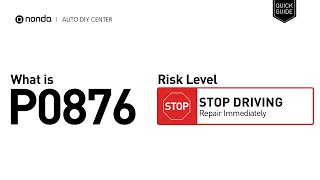
Let me be blunt: ignoring a p0876 code is playing with fire. Keep driving, and you’re gambling with your transmission’s health. Bad shifting leads to heat, heat kills transmissions, and before you know it you’re facing a full rebuild or replacement. That’s a wallet-buster and a major safety issue if your car won’t shift when you need it to. If you catch harsh shifts, slipping, or delays, don’t wait-get it fixed. The longer you put it off, the steeper the repair bill will climb.
Repair tips for obd2 code P0876
Here’s how I usually tackle a p0876 repair, depending on what comes up during diagnosis:
- If the fluid’s low, top it off and track down any leaks. If it’s dirty or smells burnt, swap the fluid and filter right away.
- Found wiring or connector problems? Clean, repair, or replace anything that’s sketchy. Make sure all your connections are tight and corrosion-free.
- If the sensor tests bad, swap it out for an OEM replacement. Don’t cheap out-aftermarket sensors can cause more headaches than they solve. Once it’s in, clear the code and take the car for a spin to verify the fix.
- Got deeper trouble, like a valve body issue or something inside the transmission itself? That’s when you’re looking at a bigger job-sometimes even a rebuild or a TCM update, though that’s less common.
Stick to the manufacturer’s procedures every time, and double-check your work before calling it good. Rushing here just leads to comebacks.
Conclusion
Bottom line? P0876 means your transmission isn’t getting the right pressure feedback, and that’s a recipe for shifting problems. Tackle this fast-start simple with fluid and wiring, then move on to the sensor. If none of those fix it, you’re probably looking at something deeper inside the trans. From my time in the garage, I can tell you most of these are solved by not skipping the basics. But if you’re in over your head, don’t gamble with your transmission-get an expert involved. It’s too important to leave to chance.