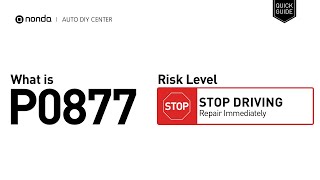
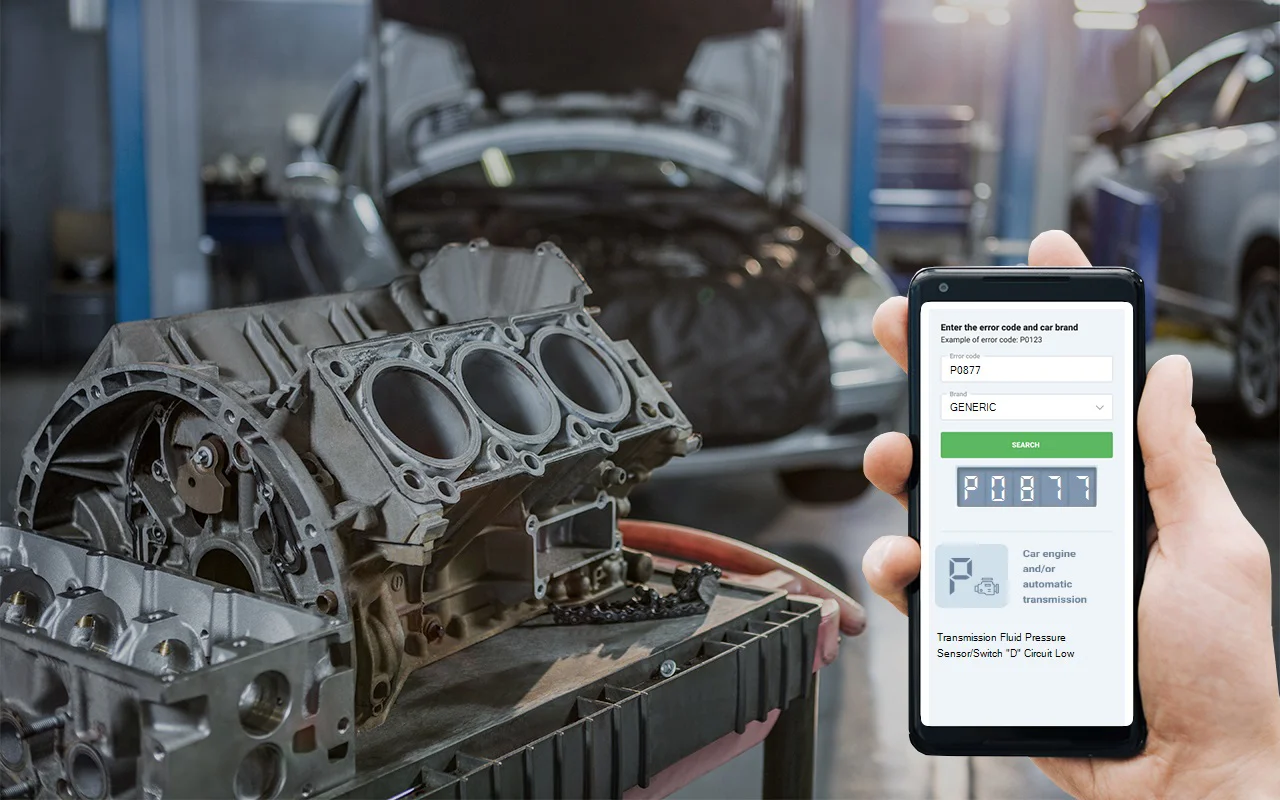
P0877 is one of those codes that can really throw you for a loop if you haven’t seen it before. What it means is that your car’s computer-whether that’s the PCM or TCM-has noticed something off with the transmission fluid pressure sensor on the ‘D’ circuit. Now, from my time under the hood, I know this sensor’s job is dead simple but critical: it keeps an eye on the pressure inside your transmission and reports back to the computer. When things are working right, your transmission shifts smoothly. But if that sensor starts sending readings that don’t make sense-usually too low-the computer instantly gets suspicious and stores the P0877 code. Why does this matter? Because if the PCM or TCM can’t trust those pressure numbers, it can’t control your shifts like it should. That’s when drivability issues start cropping up, and why you see this code in the first place.
DTC P0877
 4270
4270 5 minutes of reading
Causes and dtc P0877
From experience, the most common reasons I see for a P0877 code are pretty straightforward. Here’s what usually triggers it:
- A faulty transmission fluid pressure sensor (the sensor itself just wears out or fails)
- Wiring problems, like damaged wires, corroded connectors, or loose pins in the sensor’s circuit
- Low transmission fluid level-sometimes it’s as simple as a leak or just being overdue for a fluid check
- Internal transmission issues, like worn components or stuck valves
- Less often, a problem with the PCM or TCM, or even outdated software
Most often, it’s the sensor or a wiring issue, but I never rule out fluid problems or internal transmission faults until I’ve checked the basics.
Symptoms associated with obd2 code P0877
When this code is active, you’ll usually notice some clear signs. The check engine light will almost always come on. From what I’ve seen, drivers often complain about rough or delayed shifting, or the transmission getting stuck in what’s called ‘limp mode’-that’s when the car limits itself to a single gear to prevent further damage. You might also feel the car isn’t responding the way it should when you accelerate. If you’re noticing any of these, it’s a good idea to get it checked out right away.

Diagnosis steps for P0877 trouble code
Here’s how I typically approach a P0877 code in the shop, and you can follow a similar process if you’re comfortable with some basic checks:
- First, I always check the transmission fluid level and condition. Make sure the car is on level ground, engine running, and at operating temperature. Low or dirty fluid is a common culprit-don’t forget to look for leaks underneath.
- Next, I inspect the wiring and connectors at the transmission fluid pressure sensor. Look for frayed wires, corrosion, or loose connections. Sometimes just wiggling the connector can reveal an intermittent problem.
- If the wiring looks good, I’ll use a scan tool to monitor the sensor’s readings. If the values are way off or not changing with engine load, the sensor itself is likely bad.
- If everything so far checks out, I’ll move on to testing the sensor directly with a multimeter, following the OEM specs for resistance and voltage.
- If the sensor tests fine, then I start thinking about internal transmission issues or a possible PCM/TCM fault, but those are less common. At this point, it’s best to have a professional with the right tools dig deeper.
It’s better to have someone assist you if you’re not comfortable working under the car, and always double-check you’re working safely before poking around the transmission.
Common mistakes with obd code P0877
One thing I see a lot is folks jumping straight to replacing the sensor without checking the fluid level or inspecting the wiring first. That’s a surefire way to waste money and time. Another common mistake is overlooking a simple blown fuse or a corroded connector. Sometimes people also ignore technical service bulletins, which can have important info for your specific vehicle. Skipping these steps can lead to misdiagnosis and unnecessary repairs.

Seriousness of the P0877 code
This isn’t something you want to ignore. If you keep driving with a P0877 code, you risk damaging your transmission further. Limp mode is there to protect the transmission, but it’s not meant for long-term driving. You could end up stranded or cause more expensive damage to parts like the valve body, clutches, or even the PCM/TCM. Honestly, things can go south quickly if overlooked, so don’t put this off for later.
Repair recommendations for P0877 engine code
Here’s what I usually recommend to fix a P0877 code, based on what’s actually wrong:
- If the fluid is low or dirty, top it off or do a full fluid and filter change-just make sure you use the right type for your vehicle.
- If you find damaged wiring or corroded connectors, repair or replace them as needed. Clean up any corrosion and make sure the connections are tight.
- If the sensor itself is faulty, replace it with an OEM part. Don’t forget to clear the code and test drive to confirm the fix.
- If there’s an internal transmission problem, you’ll need a professional to inspect and repair it-sometimes it’s a stuck valve or worn internal part.
- In rare cases, a PCM or TCM update or replacement may be needed, but that’s not where I’d start.
Always check for technical service bulletins for your specific make and model-they can save you a lot of time and guesswork.
Conclusion
To sum it up, P0877 means your transmission isn’t getting the right pressure signal, usually because of a bad sensor, wiring issue, or low fluid. It’s a moderate to serious problem that can quickly lead to bigger headaches if ignored. I recommend starting with the simple stuff-check your fluid, inspect the wiring, and only then consider replacing the sensor. If you’re not sure, it’s best to get a professional involved. Acting quickly is the most reliable way to keep your transmission healthy and avoid costly repairs down the road.