
Causes of dtc P0878
From what I've seen in the shop and based on official repair info, the most common reasons for a p0878 code are:
- A short to power or ground in the wiring going to the transmission fluid pressure sensor (TFPS)
- A broken or corroded ground wire for the TFPS
- A faulty TFPS sensor itself-this is actually pretty likely
- Rarely, a problem with the vehicle's main computer (PCM/TCM), but that's not where I’d start
Most often the issue is with the wiring or the sensor, especially if the vehicle has seen a lot of road salt or moisture.
Symptoms of obd2 code P0878
When this code is active, you’ll probably notice a few things. The check engine light will come on, for starters. You might feel the transmission shifting rougher than usual, or it could even start off in second or third gear instead of first (that’s called limp mode). Sometimes, you’ll just notice the car isn’t accelerating like it should. From experience, these symptoms can come and go, but they’re a sign the transmission isn’t happy.

Diagnosis steps for P0878 trouble code
Here’s how I usually go about diagnosing a p0878 code, step by step:
- First, I always check for Technical Service Bulletins (TSBs) for your specific make and model. Sometimes, the manufacturer already knows about the issue and has a fix.
- Next, I take a close look at the wiring and connector going to the TFPS. I’m looking for frayed wires, corrosion, melted plastic, or anything that looks out of place. Don’t forget to check for greenish corrosion on the terminals-especially if the sensor is mounted outside the transmission.
- If I spot any dirt or corrosion, I clean the connector with electrical contact cleaner and a plastic brush, let it dry, and apply a dab of dielectric grease before reconnecting.
- After that, I clear the code with a scan tool and see if it comes back. If it doesn’t, the problem was likely just a bad connection.
- If the code returns, I break out a digital voltmeter. With the key off, I disconnect the sensor and check for proper voltage at the connector (usually 5 or 12 volts, depending on the car). I also check for a good ground.
- If the voltage or ground is off, I trace the wiring back to find the break or short and repair it.
- If the wiring checks out, I test the sensor itself for proper resistance (using the specs from the service manual). If it’s out of range, I replace the sensor.
- Only if all of that checks out and the code still comes back do I consider the PCM/TCM as the culprit, but that’s pretty rare in my experience.
It’s best to start with the simple stuff-wiring and connectors-before moving on to the sensor or computer.
Common mistakes with P0878
Honestly, the biggest mistake I see is folks jumping straight to replacing the sensor or even the transmission without checking the wiring first. Another common slip-up is not cleaning and inspecting the connector thoroughly-corrosion can be sneaky. Some people also forget to check for related codes that might point to a power or ground issue elsewhere. Skipping these steps can lead to wasted time and money.

Seriousness of P0878 engine code
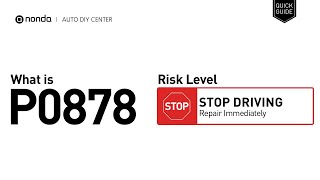
This isn’t something you want to ignore. If you keep driving with a p0878 code, your transmission might go into limp mode, which means you’ll be stuck in a higher gear and lose acceleration. That’s a serious hazard, especially if you need to merge or pass on the highway. Plus, if the transmission keeps shifting harshly, you risk damaging internal parts like clutches, solenoids, or even the valve body. Things can go south quickly if overlooked, so don’t put this off for later.
Repair steps for obd code P0878
Here’s what I typically do to fix a p0878 code:
- Clean and repair any corroded or damaged wiring and connectors at the TFPS
- Replace the transmission fluid pressure sensor if it fails the resistance test
- Repair or replace any broken power or ground wires in the circuit
- In rare cases, reprogram or replace the PCM/TCM if it’s confirmed faulty (and only after all other steps)
- Clear the codes and test drive to make sure the problem is gone
It’s always best to follow the step-by-step diagnostic path to avoid unnecessary parts replacement.

Conclusion
To sum it up, p0878 means your car’s computer isn’t getting the right signal from the transmission fluid pressure sensor. It’s usually an electrical issue-most often with the wiring or the sensor itself. This can cause rough shifting or limp mode, which is both inconvenient and potentially dangerous. I recommend starting with a careful inspection of the wiring and connector, then testing the sensor before replacing anything. Don’t ignore this code-acting quickly is the best way to avoid bigger (and more expensive) transmission problems down the road.
 4070
4070 5 minutes of reading