
Causes of P0879 engine code
From experience, the most common reasons I see for a P0879 code are:
- Intermittent open circuit in the wiring to the Transmission Fluid Pressure Sensor (TFPS)
- Intermittent short to voltage or ground in the TFPS wiring
- Failed TFPS sensor itself - honestly, this is the top culprit in most cases
- Internal mechanical problems in the transmission, like leaks, cracks, or stuck valves (less common, but possible)
- PCM/TCM failure - this is rare, but it can happen, especially if the module needs reprogramming after replacement
Symptoms of P0879
When this code is active, you’ll probably notice a few things. The check engine light will almost always come on. You might feel the transmission shifting differently - maybe it’s rough, delayed, or just not as smooth as usual. Sometimes, the car will start off in second or third gear instead of first, which makes it feel sluggish when you try to accelerate. If you notice any of these, especially with the warning light, it’s time to get things checked out.

Diagnosis and dtc P0879
When I’m chasing down a P0879, here’s the routine I follow, step by step:
- First thing I do is check for any relevant Technical Service Bulletins (TSBs) for your particular make and model. You’d be surprised how often the manufacturer’s already seen the problem and has a fix or update ready.
- Next, I scan for any other codes-especially those that point to power issues or other transmission fluid pressure sensors. If there are any, always tackle those first. Sometimes, those codes are the real culprit behind P0879.
- Once that’s done, I hunt down the TFPS sensor. Most times, it’s on the transmission’s valve body or threaded into the side of the case. I give the wiring harness and connector a thorough once-over. I’m on the lookout for frayed wires, corrosion, melted plastic, or any loose fitment. If your sensor’s mounted outside the transmission, check those terminals for that telltale green corrosion.
- Spot any grime or corrosion? Here’s a pro-tip: clean the terminals with electrical contact cleaner, use a plastic brush, let it dry, and then dab on some dielectric grease before plugging it back in.
- After cleaning things up, I clear the codes and take the car for a spin. If P0879 stays gone, odds are it was just a bad connection or some corrosion. Easy fix.
- If the code comes right back, time to get the multimeter out. With the key off, I disconnect the TFPS and check the harness for proper voltage-usually 5 or 12 volts, but always double-check your vehicle’s specs. While I’m probing, I’ll gently wiggle the wires. If those readings jump, you’ve got a wiring issue on your hands.
- Voltage looks good? Then I test the sensor’s resistance with an ohmmeter, comparing it to the factory specs. Again, I’ll wiggle the connector to see if the readings fluctuate-could mean a flaky sensor or connector.
- If the sensor fails these tests, I swap it out. But if everything looks good and the code’s still haunting you, that’s when I start thinking about possible internal problems in the transmission, or in rare cases, a PCM/TCM glitch.
Common Mistakes when Fixing P0879 trouble code
I’ve seen a few common slip-ups when folks try to fix this code:
- Jumping straight to replacing the sensor without checking the wiring and connectors first - honestly, most problems are just bad connections or corrosion.
- Ignoring other related codes that could actually be the real cause.
- Not checking for TSBs - sometimes there’s a known fix that can save a lot of time and money.
- Overlooking internal transmission issues if the sensor and wiring are fine.

Seriousness of obd code P0879
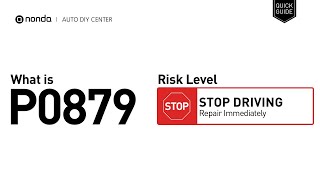
Let me be straight with you: this isn’t a code you want to brush aside. If your transmission pressure sensor or its wiring goes south, you can end up with harsh shifting, slipping, or getting stuck in limp mode-which usually means you’re stuck in a high gear. That’s not just an inconvenience; it can put you in a tough spot if you need to get moving in a hurry, like merging onto the freeway. If you let it slide, you’re risking serious damage to the transmission’s guts-solenoids, clutches, even the computer. I’ve seen things go from a simple sensor swap to a full rebuild in no time flat. Bottom line: tackle it sooner rather than later.
Repair steps for obd2 code P0879
Here’s what I typically do to fix a P0879 code:
- Clean and repair any corroded or damaged wiring and connectors at the TFPS sensor.
- Replace the TFPS sensor if it fails resistance or voltage tests.
- Repair or replace damaged wiring in the circuit.
- Address any internal transmission issues if found (like leaks or stuck valves).
- In rare cases, replace and reprogram the PCM/TCM if it’s determined to be faulty.
- Always clear the codes and test drive the vehicle to make sure the problem is truly fixed.



Conclusion
Here’s the deal: P0879 means your car’s brain isn’t happy with what it’s hearing from the transmission fluid pressure sensor “D.” Nine times out of ten, it’s a wiring or sensor issue, but sometimes it’s a warning sign of something deeper. Don’t just ignore it and hope for the best. Start with the basics-wiring, connectors, and the sensor. If those check out and the code keeps coming back, you’ll need to dig a little deeper. Trust me, jumping on it early is the best way to save yourself a lot of grief and cash down the line.
 6601
6601 6 minutes of reading