
Main Causes of obd2 code P0895
From my time in the shop, the usual suspects behind a P0895 code tend to fall into two categories: issues with the hydraulic side of the transmission or glitches in the electrical controls. Here’s what tends to come up most often:
- A high-pressure pump that’s starting to give out-this is especially common in vehicles with a fair bit of mileage under their belt.
- Big-time internal damage inside the transmission, like worn-out clutches or broken hard parts.
- Electrical gremlins-damaged, shorted, or corroded wiring going to the EPC (Electronic Pressure Control) solenoid or pressure sensors.
- A bum EPC solenoid or pressure sensor that’s not doing its job.
- PCM issues, ranging from rare software hiccups to actual computer failures.
Usually, it’s a combo of age, wear, and sometimes just a single wire or sensor acting up that sets things off.
Common Symptoms of P0895 engine code
If you’ve got P0895 showing up, your transmission is probably letting you know loud and clear. Most folks notice one or more of these signs:
- Shifts that feel rough, delayed, or just plain wrong-sometimes it slams, sometimes it hesitates.
- Shifting that makes no sense at all, like the transmission can’t make up its mind.
- Strange whining or howling noises coming out of the transmission tunnel.
- Low transmission fluid pressure warnings-if your dash is fancy enough to show it.
- And, of course, that dreaded check engine or transmission light on the dash.
If your car’s acting up like this, don’t try to tough it out. Things can go from bad to worse in a hurry if you let it slide.

Step-by-Step Diagnosis for P0895
Here’s my go-to procedure when I’m chasing down a P0895 code, and you can follow these steps at home if you’ve got some basic tools and a little bit of mechanical confidence:
- Start simple: check your transmission fluid. It should be at the right level, clear, and not smell burnt. If it’s low, top it up-but also hunt around for any signs of leaks. Burnt or dirty fluid is a big warning sign.
- If you’re handy, drop the transmission pan and scan for debris. A little clutch material isn’t unusual, but if you see a pile of metal shavings on the magnet, you’ve likely got bigger problems inside.
- I always hook up a manual pressure gauge to the test port and see if the pump is building proper pressure. Weak pressure usually points to a tired pump or internal leaks.
- Pull all the codes and freeze-frame data with a scan tool before clearing anything. Jot down those numbers-it’s a lifesaver when you’re chasing intermittent problems.
- If the code reappears right away, it’s time to inspect the wiring and connectors for the EPC solenoid and pressure sensors. Look for frayed wires, corrosion, or anything loose.
- Break out a digital volt/ohm meter and check that you’ve got the right voltage and ground at the solenoid and sensors. If the readings are off, either the component or the wiring is at fault.
- If everything else checks out, start looking at the PCM and its circuits-sometimes the problem goes all the way back to the computer.
Having an extra set of hands makes some of these steps a lot safer-especially when checking fluid or lifting the car. Also, don’t forget to see if there are any technical service bulletins for your specific vehicle. They can point you straight to the fix and save you hours of headache.
Avoid Common Mistakes with dtc P0895
Here’s a pro-tip from the garage: don’t skip the basics. It’s amazing how often folks jump straight to swapping out expensive parts without checking things like fluid level or the condition of the wiring. Another classic mistake is tossing in a new solenoid or sensor before confirming it’s actually bad-sometimes the real trouble is hiding in the wiring, or even deeper inside the transmission. Ignoring freeze-frame data is another one; that information is gold when tracking down something that comes and goes. And please, don’t just clear the code and cross your fingers. If you don’t fix what’s actually wrong, the code-and the problem-will just come right back.

How Serious is obd code P0895
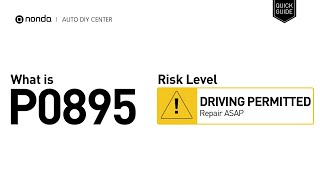
No sugarcoating it-P0895 is a code you don’t want to ignore. It means your transmission’s not shifting like it should, and if you keep driving, you’re playing with fire. Running it this way can wreck your transmission pump, burn up the clutches, or even take out the control module. Worst case, you end up stranded or facing a full-blown transmission rebuild. Trust me, you don’t want to roll those dice. Get it checked out before you’re stuck on the side of the highway.
Repair Solutions for P0895 code
Based on what I’ve seen over the years (and what the repair manuals back up), here’s what usually gets things back in shape when you’re dealing with P0895:
- Track down any leaks and refill with the correct transmission fluid.
- Swap out the transmission filter and fluid if things are dirty or burnt-cheap insurance, really.
- Repair or replace any sketchy wiring or connectors to the EPC solenoid or pressure sensors.
- Replace the EPC solenoid or pressure sensor if they test bad.
- If the pump’s on its last legs or you’re looking at major internal damage, you’re probably staring down a rebuild or even a replacement transmission.
- Once in a blue moon, you might have to reflash or swap out the PCM if it turns out to be the root of the trouble.
My advice? Always tackle the easy stuff-fluid and wiring-before jumping into bigger, more expensive repairs. Sometimes the fix is simpler than you’d expect.

Conclusion
Bottom line: P0895 means your transmission is shifting too fast, usually thanks to issues with fluid pressure, internal wear, or electrical gremlins. Ignoring it isn’t an option-the longer you wait, the more it’ll cost you. My suggestion? Start with a solid check of the fluid and wiring, then dig deeper with pressure tests and component checks if needed. Get on it early and you’ll save yourself a ton of money and headaches down the road-plus, you’ll keep your car running strong and safe.
 4973
4973 6 minutes of reading