Causes of dtc P0902
From my time under the hood, here are the usual suspects when it comes to P0902:
- A worn-out clutch motor-this little guy does the heavy lifting and they don’t last forever.
- A clutch actuator that’s jammed or sticking, often because of grime or internal failure.
- A clutch position sensor on the fritz-when it starts sending wonky signals, your computer’s left guessing.
- Wiring gremlins-think damaged insulation, corroded pins, or connectors that have wiggled loose over years of vibration.
- And every now and then, a bum transmission control module (TCM) is to blame.
Honestly, most P0902 cases I see boil down to electrical problems or sensors, but don’t rule out actuator failures. I’ve run into this code on Fords and Renaults more times than I can count.
Symptoms of obd2 code P0902
So, what’s your car going to do when this code rears its head? First, that check engine light’s going to glare at you. Next, you’ll probably notice gear changes feeling harsh or delayed-sometimes it feels like the car’s just not itself. In some cases, the vehicle will slip into ‘limp mode’-that’s when it limits power and shifting to keep things from getting worse. If your car suddenly won’t shift right, or it feels bogged down, don’t brush it off.

Common Mistakes during obd code P0902 troubleshooting
A classic mistake I see is folks swapping out the clutch actuator or sensor right off the bat, without even glancing at the wiring. More often than not, it’s a chafed wire or crusty connector causing headaches. Another pitfall? Not using the proper specs from the service manual-guesswork with voltage and resistance will steer you wrong every time. And here’s one more: forgetting to clear the code and take the car for a spin after each fix. If you skip that, you might think you’ve solved it, only for the code to come right back.

Repair solutions for P0902 code
Once you’ve tracked down the culprit, here’s what I’ve found works for P0902:
- Patch up or replace any toasted wiring or sketchy connectors in the actuator circuit.
- If the actuator’s jammed up or not responding, swap it out for a new one.
- If the clutch position sensor’s readings are all over the place, throw in a replacement.
- On the rare occasion the TCM’s to blame, you might need to replace or reprogram it.
Always clear the code and give the car a solid test drive to make sure the fix stuck and the code’s gone for good.
Conclusion
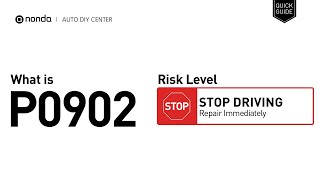
Here’s the bottom line: P0902 means your clutch actuator circuit’s suffering from low voltage or resistance, and if you ignore it, you’re asking for trouble. It’s a high-priority fix-don’t let it linger. Start with the stuff you can see and touch, like wiring and connectors, before you start throwing parts at the problem. The best bet is to work through things step-by-step and nail down the real issue, instead of just treating the symptoms. And if you’re not comfortable poking around with electrical systems, don’t hesitate to call in a pro. Catching and fixing this early is the best move for your car-and your sanity.
Video for "Error p0902" on YouTube
The following error codes are often searched for

 4606
4606 5 minutes of reading