
Causes of obd code P0964
From what I’ve seen in the shop and based on official repair info, the most common causes for a P0964 code are:
- A faulty pressure control solenoid "B"-this is the part that actually controls the fluid pressure.
- Dirty or contaminated transmission fluid-old or dirty fluid can clog things up and cause problems.
- A clogged or restricted transmission filter-if the filter’s blocked, fluid can’t flow properly.
- A failing transmission pump-if the pump isn’t working right, pressure drops.
- A bad valve body in the transmission-this is the part that directs fluid to the right places.
- Blocked hydraulic passages-gunk or debris can block the flow inside the transmission.
- Corroded or damaged electrical connectors-these can interrupt the signal to the solenoid.
- Broken or damaged wiring-wires to the solenoid or PCM can get pinched or cut.
- A faulty PCM-rare, but it does happen.
Most often the issue is with the solenoid itself or the wiring, but I’ve seen dirty fluid and bad connectors cause just as much trouble.
Symptoms of P0964 code
When this code pops up, you’ll usually notice a few things. First, the check engine light will come on. You might also feel the transmission slipping when it tries to shift, or it might bang into gear pretty hard. Some folks notice the transmission overheating, or that the car suddenly uses more fuel than usual. In some cases, the car’s computer will put the transmission into a sort of "limp mode" to protect it, which can make the car feel sluggish or stuck in one gear. If you notice any of these, especially rough shifting or slipping, don’t ignore them-things can go south quickly if overlooked.

Diagnosis steps for P0964 engine code
Here’s how I usually tackle a P0964 code, step by step:
- First, I always check for any Technical Service Bulletins (TSBs) for your specific make and model. Sometimes there’s a known issue with a straightforward fix.
- Next, I check the transmission fluid level and condition. If it’s low, burnt, or dirty, that’s a red flag. Don’t forget to check when the fluid and filter were last changed.
- Then, I do a thorough visual inspection of the wiring and connectors going to the pressure control solenoids, the transmission pump, and the PCM. Look for any signs of corrosion, broken wires, or loose connections. It’s better to have someone assist you here, as some connectors can be tricky to reach.
- If everything looks good so far, I’ll use a digital multimeter to check the continuity and resistance of the solenoid circuit. Make sure the battery is disconnected before doing this to avoid any shorts. Normal readings should be close to zero ohms-anything else means there’s a break or short somewhere.
- If the wiring checks out, I’ll move on to testing the solenoid itself. Sometimes it’s stuck or just plain worn out.
- For more advanced checks, I’ll measure the fluid pressure and compare it to the specs for your vehicle. This step usually needs special tools and the right info for your car.
It’s best to start with the simple stuff-fluid and wiring-before jumping into deeper transmission work.
Common mistakes with obd2 code P0964
One thing I see a lot is folks jumping straight to replacing the solenoid without checking the wiring or fluid first. That’s a surefire way to waste money. Another common mistake is skipping the inspection of connectors-corrosion or a loose pin can cause all sorts of headaches. Don’t forget to check for TSBs; sometimes there’s an easy fix that gets missed. And finally, don’t confuse this code with engine misfire or unrelated transmission issues-diagnosing the wrong part can lead you down a rabbit hole.

Seriousness of dtc P0964
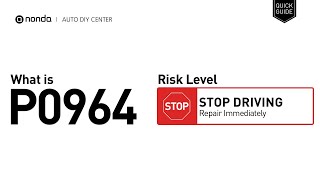
This isn’t something you want to put off. While the problem might start out as just a rough shift or a warning light, it can quickly turn into a serious hazard. If the transmission keeps slipping or banging into gear, you risk permanent internal damage-things like burnt clutches, damaged bands, or even a ruined transmission pump. Honestly, it’s dangerous to ignore this, especially if you start losing gears or the car goes into limp mode. The risks just aren’t worth it.
Repair options for P0964 trouble code
Here’s what I typically do to fix a P0964 code, based on what the diagnostics show:
- Replace the transmission fluid and filter if they’re dirty or overdue.
- Swap out the faulty pressure control solenoid "B" if it’s not working right.
- Repair or replace any damaged wiring or connectors-clean up any corrosion you find.
- If the transmission pump is the culprit, it’ll need to be repaired or replaced.
- Flush the transmission to clear out any blockages in the hydraulic passages.
- Repair or replace the valve body if it’s sticking or damaged.
- In rare cases, reprogram or replace the PCM if it’s found to be faulty.
Most of the time, the fix is replacing the solenoid or cleaning up the wiring, but don’t skip the fluid and filter-they’re often the root of the problem.

Conclusion
To sum it up, P0964 means there’s a problem with the circuit controlling the transmission pressure solenoid "B"-a key player in smooth shifting. It’s important to diagnose this promptly, starting with simple checks like fluid and wiring, before moving on to more complex parts. The risk level is moderate at first but can become severe quickly if ignored, leading to expensive transmission damage. The most reliable way to resolve it is a step-by-step diagnosis, addressing fluid, wiring, and the solenoid itself. Don’t put this off-getting it fixed now can save you a world of trouble down the road.
 5489
5489 6 minutes of reading