
Causes of P0970 code
From my time under the hood, here are the most common culprits I run into with a P0970 code:
- The pressure control solenoid “C” itself has given up the ghost-either worn out or jammed up.
- Transmission fluid that’s old, burnt, or full of crud-this stuff gums up the works.
- A transmission filter that’s overdue for a swap, starving the system of clean fluid.
- A weak or failing transmission pump that can’t keep up pressure.
- Trouble inside the valve body-blockages or even a failed unit.
- Electrical connectors that are corroded, loose, or damaged, especially near the solenoids or PCM.
- Wiring that’s broken, shorted, or open somewhere in the circuit.
- Once in a blue moon, the PCM itself is to blame.
Honestly, more often than not, it’s something simple like dirty fluid or a wiring gremlin, but I’ve seen every one of these trip the code at some point.
Symptoms of dtc P0970
When P0970 shows up, your car’s bound to let you know. Here’s what folks usually tell me they’re experiencing:
- Check engine light comes on-sometimes that’s your only heads-up at first.
- You get hard or jerky shifts-maybe even a solid “clunk” when changing gears.
- Transmission slipping, especially when you try to accelerate or climb a hill.
- Every now and then, the transmission overheats-if you catch a burning smell, don’t ignore it.
- Your gas mileage nosedives because the transmission isn’t doing its job efficiently.
- The car drops into “limp mode,” sticking in one gear to protect itself from bigger damage.
If you spot any of these, don’t write them off or hope they’ll go away. Trust me, things can get ugly fast if you let it slide.

Diagnosis of obd2 code P0970
This is how I walk through a P0970 diagnosis in the shop:
- First thing-always check for Technical Service Bulletins (TSBs) for your specific car. Sometimes the fix is already in the playbook.
- Next, I pull the transmission dipstick and check the fluid-both its level and how it looks/smells. If it’s dark, burnt, or low, that’s a big red flag. Double-check when the last fluid and filter change happened.
- Then, I get eyes on all the wiring and connectors running to the transmission, solenoids, and PCM. Look for corrosion, loose pins, frayed wires, anything that seems off. Pro tip: have someone gently wiggle the harness while you watch for changes-that’s snagged a few sneaky faults for me before.
- If nothing jumps out, I grab the multimeter and check the solenoid “C” circuit for continuity and resistance. Don’t forget to disconnect the battery first-no sense in risking a short.
- With the wiring out of the way, I move on to testing the solenoid itself. Sometimes you can do this with a scan tool, or by measuring resistance right at the connector.
- If I’m still chasing the problem, I’ll check the valve body and transmission pump-but heads up, that usually means dropping the transmission pan. Not for the faint of heart.
Start with the simple stuff-fluid and wiring-before you go tearing into the transmission. After each step, clear the code and take her for a spin to see if it comes back.
Common Mistakes when troubleshooting obd code P0970
A classic mistake I see is folks jumping straight to replacing the solenoid before even looking at the fluid or wiring. That’s a great way to throw money down the drain. Another one is not checking for TSBs-sometimes the answer is right there from the manufacturer. Skipping the continuity check on the wiring can send you on a wild goose chase, too. And keep in mind, problems with the transmission pump or valve body can wear the same mask as a bad solenoid if you’re not thorough. Always knock out the basics before swapping pricey parts.

Seriousness of a P0970 engine code
This is not something you want to let slide. At first, the symptoms might just get on your nerves, but keep driving with a P0970 and you’re risking real internal transmission damage. Hard shifts and slipping abuse the clutches and bands, and if the transmission overheats, you could be looking at cooked seals and a big repair bill. Worst-case scenario? You’re shopping for a whole new transmission. My advice: get it checked out sooner rather than later. It’s just not worth the gamble.
Repair solutions for P0970
Here’s what’s worked for me and what the manuals back up when dealing with a P0970:
- Swap out the transmission fluid and filter if they’re dirty or overdue. Cheap insurance if you ask me.
- Replace the pressure control solenoid “C” if it’s failed.
- Repair or replace any wiring or connectors that are damaged in the circuit.
- Clean or rebuild the valve body if it’s got blockages or sticky passages.
- Fix the transmission pump if it’s not putting out proper pressure.
- Flush the transmission to clear out debris and get things flowing right.
- On rare occasions, reflash or replace the PCM if it’s proven to be the problem.
After making the fix, always clear the code and run a good test drive to make sure the issue’s truly sorted.

Conclusion
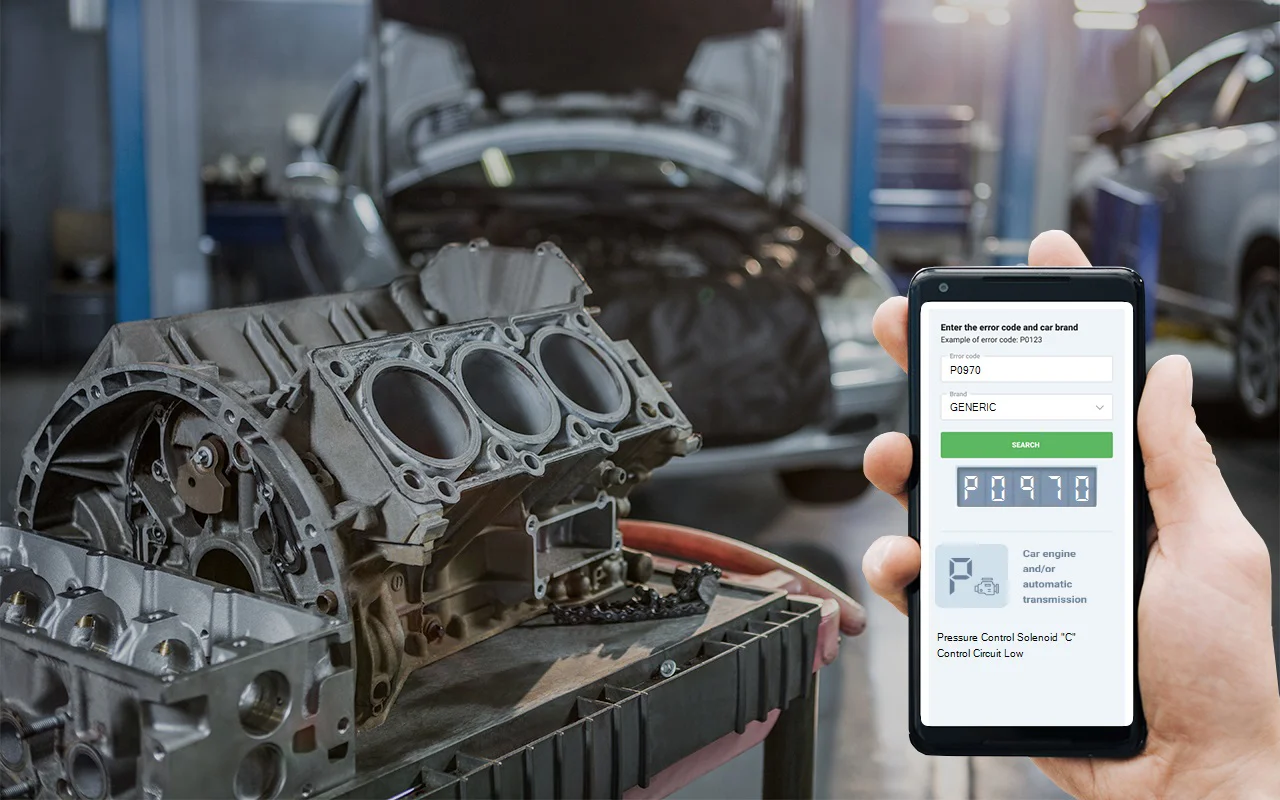
Bottom line? P0970 means your transmission’s pressure control solenoid “C” circuit isn’t pulling its weight, which can lead to rough shifts, slipping, or even big-league transmission damage if you ignore it. Start with the easy checks-fluid, wiring, and connectors. Only dig deeper if those come up clean. Treat this code with respect, diagnose methodically, and fix what’s actually wrong-not just what the scanner says. Take care of it now and you’ll save yourself a world of pain (and a fat repair bill) down the line.
 6055
6055 6 minutes of reading