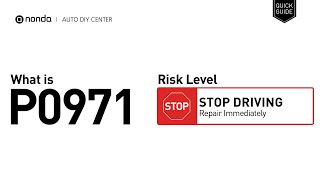
When you see a P0971 code pop up, you’re dealing with a problem in the control circuit for your transmission’s pressure control solenoid “C.” In my years working on all sorts of vehicles-from Subarus to Chevys to Hondas-I’ve found this code means your car’s computer (the PCM) is flagging trouble with one of the solenoids that regulates hydraulic pressure inside the automatic transmission. Think of these solenoids as the gatekeepers for your transmission fluid, opening and closing to make sure your gears engage smoothly and at just the right moment. Now, if the PCM senses that the circuit for solenoid “C” is stuck at a high voltage, it’s basically telling you the solenoid isn’t behaving, which can throw your whole shifting pattern out of whack. I’ve seen this code on a lot of different makes, so while the basic issue is similar, the fix can really depend on your specific car and transmission setup.
DTC P0971
 4015
4015 6 minutes of reading
Causes of P0971 engine code
From experience, the most common causes I see for a p0971 code are:
- A faulty pressure control solenoid "C"-these can wear out or get stuck from debris.
- Dirty or contaminated transmission fluid-old fluid can gum up the works and block passages.
- A clogged or restricted transmission filter-if fluid can’t flow, pressure control suffers.
- A failing transmission pump-not delivering enough pressure to the system.
- A defective valve body inside the transmission-this is the part that houses the solenoids and directs fluid.
- Blocked hydraulic passages-debris or sludge can block the tiny channels the fluid needs to travel.
- Corroded or damaged electrical connectors-especially at the solenoid or PCM.
- Broken or shorted wiring in the solenoid circuit.
- In rare cases, a faulty PCM (the car’s computer) itself.
Most often the issue is with the solenoid or the fluid, but I’ve seen wiring problems trip up even seasoned techs.
Symptoms of obd2 code P0971
When this code pops up, here’s what you’re likely to notice:
- The check engine light comes on-sometimes with a transmission warning.
- The transmission may shift hard or bang into gear-drivers often describe it as a jolt or clunk.
- You might feel the transmission slipping, especially when changing gears.
- In some cases, the transmission overheats-this can show up as a warning or just a hot smell.
- Poor fuel economy-because the transmission isn’t shifting efficiently.
- Sometimes, the car goes into a “limp” or “fail-safe” mode, where it won’t shift out of one gear to protect itself.
Honestly, if you’re feeling any of these, it’s best not to ignore them-things can go south quickly if overlooked.

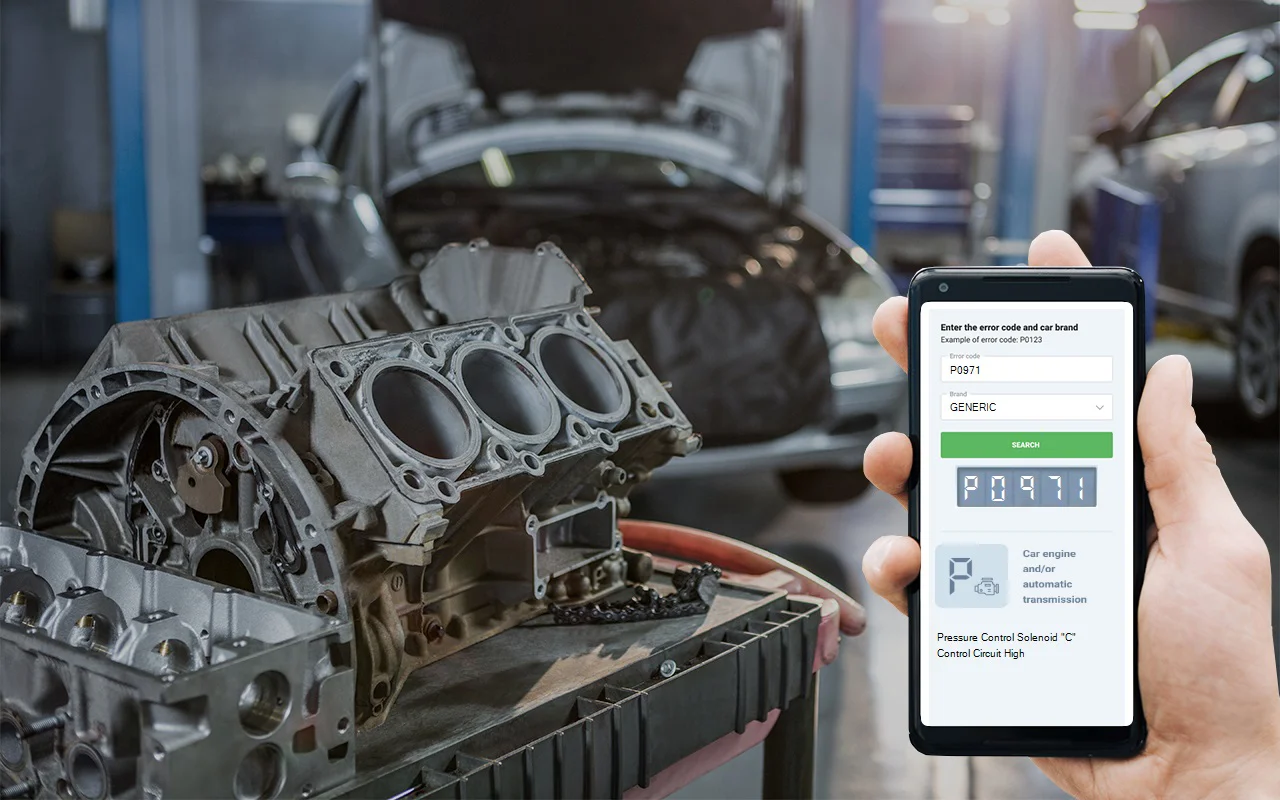
Diagnosis for P0971 trouble code
Here’s how I usually approach a subaru dtc p0971, step by step:
- First, I always check for any Technical Service Bulletins (TSBs) for your specific make and model-sometimes there’s a known issue or updated fix.
- Next, I check the transmission fluid level and condition. Low, dirty, or burnt-smelling fluid is a red flag. If you’re not sure when the fluid and filter were last changed, it’s worth looking into.
- Then, I do a careful visual inspection of the wiring and connectors going to the transmission and PCM. Look for broken wires, corrosion, loose plugs, or anything that doesn’t look right. It’s better to have someone assist you here, as some connectors are tricky to reach.
- After that, I’ll use a scan tool to monitor the solenoid’s operation and check for any related codes.
- If everything looks good so far, I’ll move on to testing the solenoid circuit with a digital multimeter. I check for continuity (should be 0 Ohms if the wiring is good) and make sure there’s no short or open in the circuit. Always do this with the ignition off to avoid causing more damage.
- If the wiring and connectors check out, I’ll test the actual solenoid and valve body. Sometimes, removing the transmission pan is necessary to get a good look and test the solenoid directly.
- Finally, if all else fails, I’ll consider the PCM as a last resort, but that’s pretty rare.
I recommend starting with the simple stuff-fluid and wiring-before moving on to the more complex (and expensive) parts.
Common mistakes diagnosing dtc P0971
From what I’ve seen, the biggest mistakes are:
- Jumping straight to replacing the solenoid without checking the fluid or wiring first-sometimes it’s just a bad connection or dirty fluid.
- Overlooking TSBs-these can save a lot of time and money if there’s a known fix.
- Not checking for other codes-sometimes a related code can point you in the right direction.
- Testing wiring with the power on-this can cause shorts and more trouble.
- Assuming the PCM is bad without ruling out everything else-PCM failures are rare compared to solenoid or wiring issues.
Don’t forget to check the basics before diving into major repairs.

Seriousness of P0971
This is one of those issues that can start out as a moderate annoyance but turn serious fast. If you keep driving with a p0971, you risk damaging the transmission’s internal parts-bands, clutches, even the pump. Hard shifting and slipping can cause permanent wear, and if the transmission overheats, you could be looking at a full rebuild. Honestly, it’s dangerous to ignore this. You don’t want this kind of trouble on the road, especially if the car suddenly goes into limp mode or loses the ability to shift properly.
Repair steps for obd code P0971
Here’s what I personally recommend, based on what fixes this code most reliably:
- Replace the transmission fluid and filter if they’re dirty or overdue-sometimes that’s all it takes.
- Repair or replace any damaged wiring or connectors in the solenoid circuit-clean off corrosion and make sure everything is tight.
- Replace the pressure control solenoid "C" if it tests bad or is sticking.
- Flush the transmission to clear out any blockages in the hydraulic passages.
- If the transmission pump or valve body is faulty, repair or replace as needed.
- In rare cases, reprogram or replace the PCM if it’s confirmed to be the culprit.
It’s best to start with the least invasive repairs and work your way up.
Conclusion
If there’s one thing I’ve learned, it’s that P0971 means your transmission’s pressure control solenoid "C" isn’t getting the signal it needs, usually because of a problem with the solenoid itself, the fluid, or the wiring. Ignore it, and you’re rolling the dice with your transmission’s health. My advice? Check the easy stuff first: fluid and wiring. Then, if you still have trouble, dig deeper into the solenoid. Don’t wait-jumping on this early can save you a world of hurt (and cash) down the line. Nine times out of ten, fresh fluid, a thorough wiring check, and a replacement solenoid will have you back on the road, shifting smooth as ever.