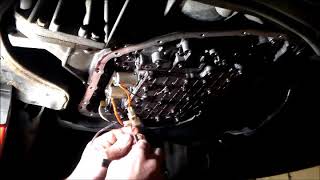
The p0973 code is one I’ve run into a fair bit in my years wrenching on transmissions. What it’s telling you is there’s a snag with the Shift Solenoid “A” Control Circuit. In plain English, your transmission control module (TCM) has picked up on something fishy with the wiring, or maybe the solenoid itself, that helps your automatic transmission change gears. These shift solenoids are the unsung heroes inside your transmission-they direct hydraulic fluid to the right places so your car can move from one gear to the next without a hitch. If this circuit isn’t up to snuff, you’ll get rough or unpredictable shifting. Remember, this code points specifically to the 'A' solenoid, but exact roles can shift from one make or model to another. That’s why I always keep the service manual handy for whatever vehicle I’m working on.
DTC P0973
 4403
4403 6 minutes of reading
Causes of P0973 trouble code
From my time under the hood, I can tell you the p0973 code usually boils down to a few usual suspects. Here’s what tends to trip it:
- Low transmission fluid - This is always my first stop. If the fluid’s low, the solenoids just can’t do their job.
- Shift solenoid failure - Sometimes these solenoids just give up after years of heat and use. They can stick or burn out.
- Bad wiring or poor connections - I see this a lot: cracked wires, corroded plugs, or loose connectors anywhere in the solenoid’s circuit.
- Internal trouble in the valve body or transmission - Not as common, but when nothing else makes sense, you have to look deeper.
- Faulty TCM or outdated software - Every now and then, it’s been the control module itself, or the car just needs a software refresh.
Honestly, nine times out of ten it’s a fluid issue or a wiring headache, but I never rule anything out until I’ve checked it with my own eyes.
Symptoms related to P0973 engine code
If your dashboard’s lighting up with a p0973, you’re probably already noticing something’s off. That check engine light is almost always glowing. The transmission might be shifting with a thud, or maybe it’s hesitating, slipping, or flat-out refusing certain gears. Sometimes you’ll feel like you’re burning more gas because things aren’t working as they should. Other times, it’s just a nagging sense that your car’s not driving as smoothly as it used to. If any of this sounds familiar, don’t shrug it off-these are warning signs you want to pay attention to before things get worse.

Diagnosis steps for dtc P0973
When I’m tracking down a dtc p0973, here’s my go-to checklist:
- Check the transmission fluid-both level and condition. Low or dirty fluid is a classic culprit, and the fix can be as simple as a fluid change.
- Plug in a scan tool to confirm the p0973 and sniff out any other codes. Sometimes, another code will point you right to the root of the problem.
- Give the wiring and connectors a close inspection. I’ll look for frayed wires, green corrosion, or plugs that don’t seat right. A little trick: have someone wiggle the harness while you eyeball the scan tool for changes-intermittent faults love to hide until you do this.
- Test the solenoid itself. I break out the multimeter and check resistance against what the manual says it should be. If numbers are out of whack, that solenoid’s toast.
- If wiring and solenoid check out, I’ll look at the TCM. Sometimes a reflash or update is all it needs, but occasionally the module itself is at fault.
- When all else fails, it’s time to look inside the transmission or valve body-a job for those with the right tools and know-how.
Start with the easy stuff and work your way up. Oh, and here’s a pro-tip: always disconnect the battery before poking around electrical connectors. And if you’re not sure about something, don’t be afraid to tag in a second set of hands or ask a pro. It’s better to be safe than sorry.

Common mistakes with obd code P0973
A classic mistake I see is folks swapping out the solenoid right off the bat without even checking the basics like fluid or wiring. That’s money and time down the drain. Skipping the scan tool step or overlooking a simple unplugged or corroded connector is another one. People also forget that sometimes a software update is all it takes, or they don’t bother cross-checking specs in the OEM manual. My advice? Always start with the cheap and simple stuff before you dive into costly repairs.

Seriousness of P0973
Let me be blunt-this isn’t something you want to drag your feet on. Transmission gremlins have a way of snowballing fast. If you keep driving with a faulty shift solenoid, you’re risking gear slips, loss of drive, or your car refusing to move when you need it most. Keep it up and you can wreck the transmission, valve body, or even fry the control module. The bottom line? The longer you wait, the bigger the headache-and the repair bill-gets.
Repair solutions for P0973 code
When I’m fixing a p0973, here’s my usual playbook:
- Top off or swap out the transmission fluid if it’s low or looks rough.
- Repair or replace any busted wiring or sketchy connectors in the shift solenoid’s circuit.
- If the solenoid “A” is bad or tests out of spec, it’s time for a new one.
- Update or reflash the TCM software as needed.
- For issues deep inside, you might be looking at valve body work or even a transmission rebuild, depending on what’s found.
Always stick with OEM parts and follow your vehicle’s service manual to the letter. That’s how you keep gremlins from coming back.
Conclusion
Bottom line? P0973 means your transmission’s shift solenoid “A” control circuit is throwing a fit, and that spells trouble for smooth shifting. Don’t let it slide-jump on the basics first like fluid and wiring, then move to the solenoid or control module if needed. Letting it sit can lead to some nasty (and expensive) transmission damage, not to mention unsafe driving. If you follow the OEM steps, fix what needs fixing, and double-check with a scan tool before heading back out, you’ll be in good shape and headache-free down the road.