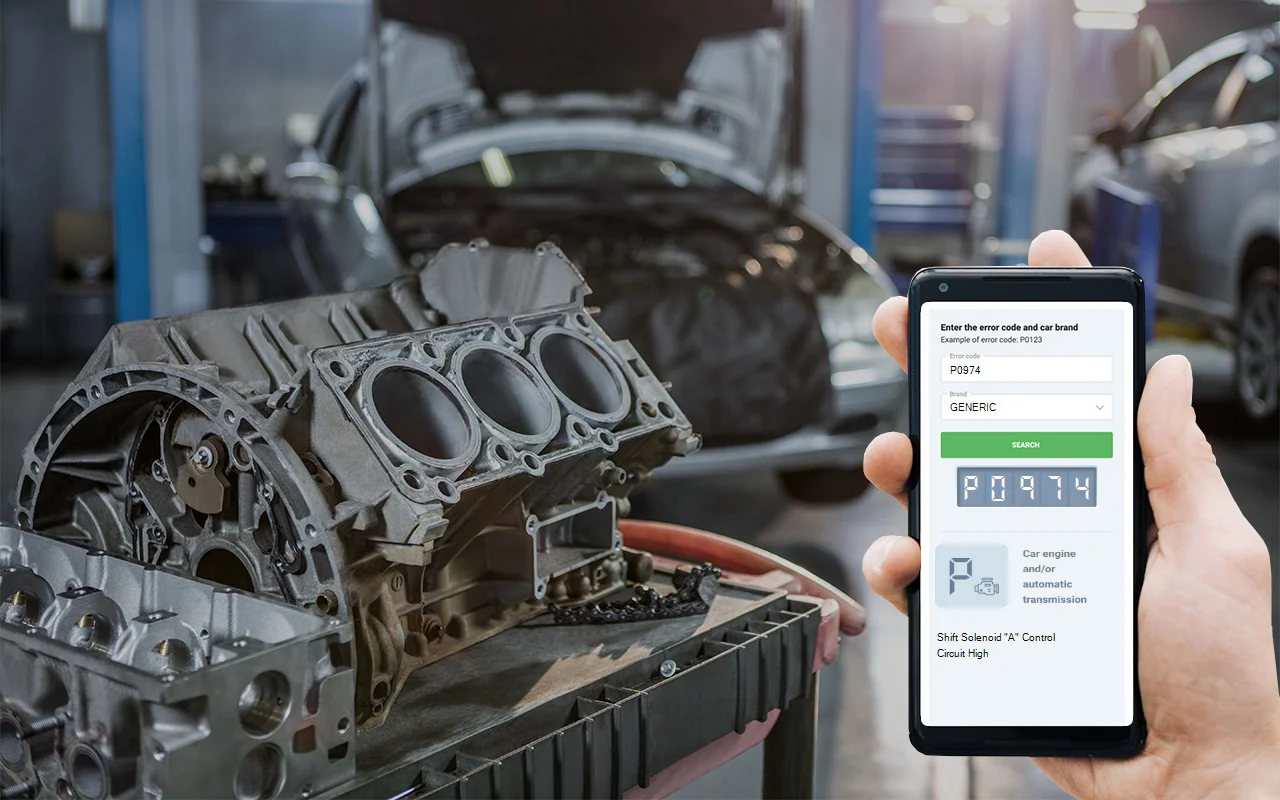
P0974 is one of those codes I’ve seen pop up plenty of times in the shop. What it’s telling you is that your car’s computer-specifically the transmission control module (TCM)-is seeing an electrical signal that’s too high on the control circuit for Shift Solenoid “A.” Now, shift solenoids are the unsung heroes inside your automatic transmission. They open and close to direct fluid, letting your transmission shift gears at just the right moment. If one of these solenoids acts up, things can get messy fast-your car won’t shift the way it should, and you’ll feel it. With P0974, it’s really about the electrical side: maybe a wiring issue, a faulty solenoid, or even a glitch in the TCM itself. When this system isn’t doing its job, trust me, you’ll notice the transmission misbehaving almost right away.
DTC P0974
 5503
5503 6 minutes of reading
Causes of dtc P0974
From experience, the most common reasons I see for a P0974 code are:
- Low transmission fluid - this is surprisingly common, and it’s always the first thing I check.
- A faulty shift solenoid - these can wear out or get stuck, especially if the fluid hasn’t been changed regularly.
- Problems with the wiring or connectors going to the solenoid - corrosion, broken wires, or loose plugs can all cause this code.
- A malfunctioning TCM (transmission control module) - not as common, but it does happen, especially on older vehicles or those with water damage.
- Valve body issues or internal transmission failure - these are less frequent, but I’ve seen them cause this code, especially if there’s been a history of hard shifting or slipping.
In cases like this, it’s usually something simple like fluid or wiring, but you can’t rule out the more serious stuff until you check.
Symptoms of obd code P0974
If your car has a P0974 code, here’s what you’ll probably notice:
- The check engine light is on - that’s almost always the first sign.
- The transmission might not shift smoothly, or it could get stuck in one gear.
- You might feel the car hesitating, jerking, or shifting at odd times.
- Fuel economy can drop, since the transmission isn’t working efficiently.
Sometimes, the symptoms are mild at first, but they can get worse quickly if you keep driving.

Diagnosis process for P0974 engine code
Here’s how I usually go about diagnosing a P0974 code, step by step:
- First, I check the transmission fluid level and condition. Low or dirty fluid is a common culprit, and it’s easy to check. Make sure the car is on level ground and the engine is at operating temperature.
- Next, I use a scan tool to confirm the code and look for any other related codes. Sometimes, multiple codes can point you in the right direction.
- Then, I visually inspect the wiring and connectors going to the shift solenoid. Look for broken wires, corrosion, or loose plugs. It’s best to have someone help you wiggle the harness while you watch for changes.
- If everything looks good outside, I’ll check the solenoid itself. This usually means dropping the transmission pan and testing the solenoid’s resistance with a multimeter. Compare your readings to the specs in the service manual.
- If the solenoid tests out fine, I move on to the TCM. This is more advanced, but sometimes the computer itself is the problem.
- Don’t forget to check for any Technical Service Bulletins (TSBs) related to your vehicle - sometimes there’s a known issue with a simple fix.
It’s best to start with the easy stuff before diving into the transmission. And if you’re not comfortable working with transmission components, it’s safer to let a pro handle it.
Common mistakes when fixing P0974 code
A classic mistake I see is folks rushing to swap out the shift solenoid before checking the basics-fluid level and wiring. Overlooking a crusty connector or a half-broken wire? That’s another one. It doesn’t take much corrosion to throw everything off. I’ve also seen people just clear the code, hoping it won’t come back, but trust me, wishful thinking won’t fix a real issue. Skipping foundational checks or not following a proper step-by-step process often leads to wasted time and money-sometimes both.

Seriousness of P0974 trouble code
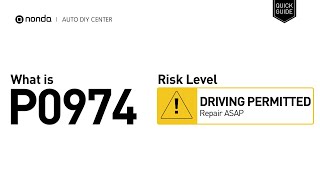
I can’t stress this enough: you don’t want to ignore a P0974 code. Keep driving with this problem, and you’re flirting with serious transmission damage-the expensive kind. Slipping gears, overheating, or total transmission failure are all on the table if you let things slide. The shift solenoid, valve body, and even the transmission itself could end up cooked. If the car starts shifting hard or at weird times, you’re also risking your safety. So, don’t put this off-get it sorted as soon as possible.
Repair tips for obd2 code P0974
When I’m tackling a P0974 code, here’s my go-to strategy based on what turns up during diagnosis:
- If the fluid’s low or nasty, drain and refill with the right type. Don’t cheap out-quality fluid matters.
- Find any damaged wiring or connectors heading to the shift solenoid and fix or replace them. Pay close attention to spots where the harness bends or rubs.
- If the solenoid fails electrical testing or sticks, swap it out for a new one that matches your vehicle’s specs.
- Should the TCM be at fault, you might need it reprogrammed or swapped-sometimes that’s the only way.
- If internal transmission or valve body issues show up, you’re probably looking at a more in-depth repair-possibly by a transmission specialist.
Always stick to the manufacturer’s procedures and use the right parts for your car. Once you’ve made repairs, clear the code and take it for a proper test drive to confirm the fix worked.
Conclusion
Bottom line: P0974 means you’ve got an electrical problem with Shift Solenoid “A” in your automatic transmission. It’s essential to track it down right away. Start with simple stuff like checking fluid and wiring before moving to the pricier components. Letting this one slide could cost you a transmission-or worse. The smartest play is a careful, step-by-step diagnosis so you tackle the real cause and not just the symptoms. And if you’re ever in doubt, don’t be shy-get a pro to take a look before things get ugly.