Causes and dtc P0976
From experience, I can tell you that the most common culprits behind this diagnostic trouble code are:
- Low transmission fluid-this is surprisingly common and easy to overlook.
- A failed or sticking shift solenoid "B"-these solenoids do wear out over time.
- Wiring problems-damaged, corroded, or loose wires and connectors in the solenoid circuit.
- A faulty transmission control module (TCM) or outdated software-sometimes the brain of the transmission is at fault.
- Internal transmission or valve body failure-less common, but it does happen, especially on higher-mileage vehicles.
Most often, it’s a simple issue like fluid level or a bad solenoid, but I’ve seen all of these pop up in the shop.
Symptoms and P0976 engine code
If your car has triggered this engine code, here’s what you might notice:
- The check engine light is on-this is usually your first clue.
- Shifting problems-like harsh, delayed, or missed shifts. Sometimes the transmission might even get stuck in one gear.
- Poor fuel economy-since the transmission isn’t shifting right, your engine has to work harder.
In some cases, you might also feel the car lurch or hesitate when changing gears. If you’re experiencing any of these, it’s best not to ignore them.

Common Mistakes with P0976
A classic mistake I see all the time is folks swapping out the solenoid before they’ve checked the fluid or inspected the wiring. That’s a fast way to throw cash at the problem without actually fixing it. Another one? Overlooking the humble fuse or a crusty connector. Don’t skip the basics-those little things can save you a big headache. If you jump ahead or ignore the diagnostic flow, you’re likely to misdiagnose and end up with repairs you didn’t need.

Repair advice for P0976 code
Here’s what usually fixes this code, based on what I see in the shop and the official repair procedures:
- Topping off or replacing the transmission fluid if it’s low or dirty.
- Repairing or replacing damaged wiring or connectors in the shift solenoid "B" circuit.
- Replacing the shift solenoid "B" if it’s faulty or sticking.
- Updating or replacing the transmission control module if it’s found to be at fault.
- In rare cases, repairing or replacing the valve body or internal transmission components if there’s internal damage.
It’s best to fix the root cause, not just clear the code and hope for the best.
Conclusion
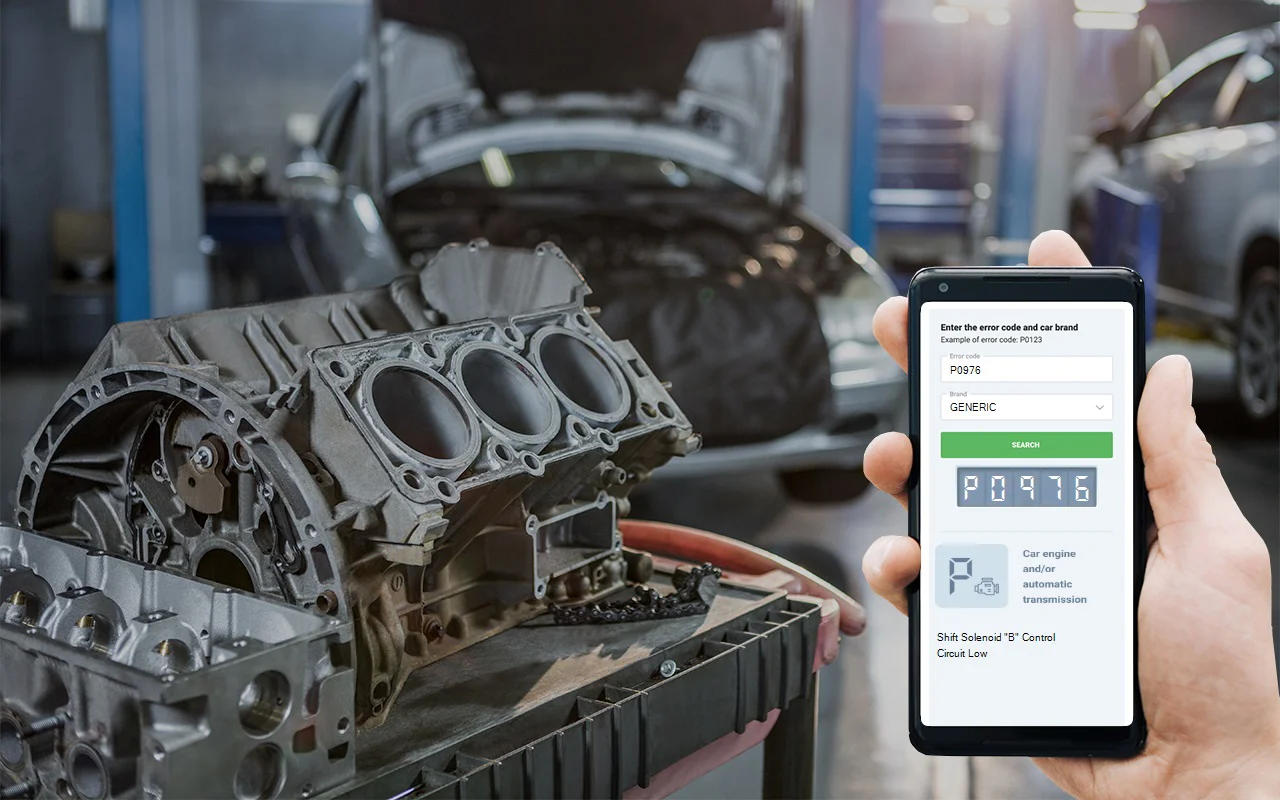
To sum it up, P0976 means there’s a problem with the shift solenoid "B" control circuit-usually something simple like fluid, wiring, or the solenoid itself. Don’t ignore this code; it can lead to serious transmission trouble if left unchecked. Start with the basics, follow a step-by-step diagnosis, and you’ll usually find the culprit without too much hassle. The most reliable fix is to address the actual cause, whether that’s fluid, wiring, or the solenoid. Taking care of it promptly is the best way to keep your transmission-and your wallet-safe.
Video for "Error p0976" on YouTube
The following error codes are often searched for

 4924
4924 5 minutes of reading