
Causes of P0994 trouble code
From my time under the hood-and what the official repair info backs up-the typical causes I run into for P0994 are:
- A short to ground in the TFPS signal wire (this one’s a usual suspect, especially when the wiring’s hanging out in the weather)
- A TFPS sensor that’s bit the dust-could be from internal shorts, or just plain old age catching up to it
- Connector pins that’ve gotten corroded or busted, either at the sensor or along the harness
- Once in a blue moon, a fault in the PCM or TCM itself, but honestly, I don’t point the finger there first
What I’ve found, more often than not, is wiring and connector trouble-especially in cars where the sensor’s hanging outside the transmission, soaking up every bit of moisture and road grime.
Symptoms of dtc P0994
If you’ve got this code, here’s what you’ll probably feel from the driver’s seat:
- The check engine or transmission warning light will slap you with a surprise
- The transmission might start slamming into gears, or just refuse to shift at all
- Sometimes you’ll notice the car launching itself in second or third gear instead of first-what we call "limp mode"-so everything feels sluggish right out of the gate
- In general, something just feels off when you’re driving, especially when it comes to shifting
If any of this rings a bell, don’t wait around. The sooner you get it checked, the better off your transmission will be.

P0994 Diagnosis Steps
Here’s how I’d tackle a P0994 in the shop, step by step:
- First thing’s first-always hunt down Technical Service Bulletins (TSBs) for your car. Sometimes the manufacturer’s already mapped out a fix, which can save a heap of headaches.
- Next up, I track down the TFPS sensor itself. Depending on your ride, it’s either perched on the side of the transmission or buried on the valve body inside. If you’re scratching your head, your repair manual is your best friend here.
- I take a close look at the sensor, the connector, and the wiring harness. You’re looking for rubbed spots, nicks, bare copper, melted plastic, or any signs of corrosion-green crud on the pins is a dead giveaway.
- Spot some crud or oxidation? I hit it with electrical contact cleaner and a soft brush, let it dry, then dab on a little dielectric grease before hooking it back up.
- After that, I clear the code and see if it comes back. If it doesn’t, odds are it was just a connection issue.
- If that code pops up again, time for some electrical detective work. With the ignition off, I unplug the sensor and grab my digital voltmeter to check for the proper voltage at the harness. You’re usually looking for 5 or 12 volts-depends on your setup. I’ll gently wiggle the harness while testing, since a flickering reading points to a wiring gremlin.
- Then, I’ll test the sensor’s resistance with an ohmmeter, stacking my numbers up against the manufacturer’s specs. Again, a little wiggle on the connector might show if you’ve got an intermittent issue.
- If all the numbers look good but the code keeps haunting you, it’s probably time to swap the sensor-or in rare cases, start checking the PCM/TCM or even deeper inside the transmission itself.
Here’s my golden rule: always rule out the simple stuff-wires and connectors-before you start shelling out for pricey parts.
Common Mistakes When Diagnosing obd2 code P0994
I see folks trip up on these all the time:
- Jumping straight to swapping out the TFPS sensor without checking the wiring or connectors first. That’s a quick way to throw money at the problem without fixing it.
- Skipping the TSB search. Sometimes there’s a known fix that can save you hours of frustration.
- Testing for voltage or resistance with the wrong specs. Always double-check your repair data for your particular make and model.
- Missing intermittent wiring issues-sometimes those gremlins only show up when the wires are bent or the car’s vibrating on the road.
Take your time with the basics. That’s how you keep repairs smart and affordable.

Seriousness of P0994 code
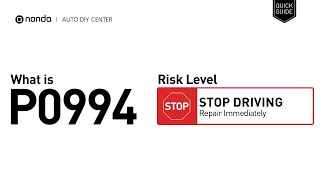
I can’t say this enough-this isn’t a code you want to brush off. When your transmission isn’t getting the right pressure readings, it can start acting up fast: erratic shifting, limp mode, and even long-term damage. Let it go, and you’re flirting with costly problems like fried solenoids, toasted internals, or even a control module meltdown. I’ve seen transmissions go from a simple wiring fix to needing a full rebuild because someone kept driving with this code on. If the car suddenly refuses to shift in the middle of traffic, you’re not just risking your wallet-you’re risking your safety, too.
Repair Solutions for P0994 engine code
In the shop, these fixes usually do the trick for P0994:
- Clean or repair any corroded or busted wiring and connectors at the TFPS
- Swap the TFPS sensor if it fails the tests, or if sprucing up the connectors doesn’t cut it
- Repair or replace any suspect wiring between the sensor and the PCM/TCM
- Very rarely, you might need to reflash or replace the PCM/TCM, but only after you’ve ruled everything else out
- Always clear the code and take the car for a spin to make sure the fix holds up
Start simple and work your way up. Nine times out of ten, the answer’s right in the wiring or connectors.



Conclusion
Bottom line: a P0994 means your transmission fluid pressure sensor "F" circuit isn’t giving your car’s brain the signal it needs-usually because of an electrical hiccup. That can lead to rough shifting, limp mode, and some serious transmission headaches if you let it slide. I always tell folks: start by carefully checking and cleaning those wires and connectors. It’s often a straightforward fix that can save you from a much bigger repair bill. Don’t just ignore it-catching this early is key to keeping your transmission healthy and your wallet happy.

 4811
4811 6 minutes of reading