
Causes of obd2 code P0996
From my time under the hood, and after seeing this code pop up on countless scan tools, I can tell you a few root causes show up over and over again for P0996:
- Wiring that’s breaking contact now and then-an intermittent open circuit in the harness going to the transmission fluid pressure sensor (TFPS)
- Shorts to voltage or ground in the TFPS wiring, often caused by insulation wearing through or wires rubbing against metal
- A flat-out failed TFPS sensor-honestly, that’s what I end up replacing most frequently
- Internal transmission trouble like leaky passages, a cracked valve body, or sticky valves-not as common, but definitely something I’ve had to chase down more than once
- PCM or TCM problems-rare, but I’ve seen a few modules go bad, especially after improper programming or a botched replacement
What I’ve found again and again is wiring and connector issues are the real culprits-especially where water sneaks in or corrosion gets a foothold at those external plugs.
Symptoms of P0996 engine code
If you’re staring at a P0996 code, here’s what you might run into out on the road:
- That check engine light or transmission warning lamp flicks on
- Shifting suddenly gets rough, delayed, or just plain odd-sometimes you’ll feel a hard clunk, sometimes it just won’t want to shift up or down
- The car might take off in second or third instead of first-what we call ‘limp mode,’ the car’s own way of protecting itself from further damage
Now, once in a while, you won’t notice any symptoms at all at first, but trust me-ignoring these warning signs is just asking for a much bigger repair bill down the line.

Diagnosis steps for P0996 code
Here’s how I approach a stubborn P0996, step by step, just like I would in my own bay:
- First thing, I always check for Technical Service Bulletins (TSBs) covering your make and model. Sometimes there’s a known glitch or an updated part that’ll save you a ton of time.
- I’ll scan for other trouble codes-especially anything related to power supply or other transmission sensors. If you see a bunch of codes, start with the one that seems most urgent or related to power.
- Next up, I’ll hunt down the TFPS sensor-usually right on the side of the transmission or the valve body. I’ll give the harness and connectors a close look, searching for anything out of the ordinary: frayed wires, greenish corrosion, melted plastic, or loose pins.
- If the connector looks sketchy, I’ll unplug it and check inside for burnt spots or that telltale green corrosion. Here’s a pro-tip from the garage: spray the terminals with good electrical contact cleaner, use a stiff plastic brush, let it dry, then dab on a little dielectric grease to keep moisture out.
- After putting everything back together, I’ll clear the code with a scan tool and take the car for a spin. If the code doesn’t come right back, chances are it was just a bad connection.
- If the code’s still there, I’ll grab a digital voltmeter and check for the correct reference voltage at the sensor connector-usually 5 or 12 volts, but always double-check your wiring diagram. I’ll gently wiggle the harness while watching the meter; if the voltage jumps or drops, you’ve got a wiring problem.
- If voltage checks out, I’ll move to an ohmmeter and measure the sensor’s resistance compared to spec. If it’s out of range, time to swap the sensor.
- If everything in the wiring and sensor passes and that code still haunts you, then you’re looking at possible transmission internals or, in rare situations, a failing PCM or TCM.
Having a helper can make things easier, especially when you need to jiggle the harness while keeping an eye on the meter. And whatever you do, pull up the right wiring diagram for your specific ride before poking around-guesswork can make a mess of things fast.
Common mistakes with P0996 trouble code
A classic mistake I see folks make when wrestling with a P0996 is going straight for a new sensor before checking the basics:
- Swapping out the sensor right away, when it’s often just a bad wire or corroded connector causing all the trouble
- Missing corrosion or water in the plug-especially on sensors mounted outside where the elements can get at them
- Skipping a check for related codes or TSBs, which can be a real shortcut to the right fix
- Blaming the PCM or TCM too soon, without ruling out simple stuff first-you don’t want to replace a pricey module for nothing
Slow down and start with the basics. You’ll save yourself a lot of cash and headaches by tracking down simple wiring problems before throwing parts at the problem.

Seriousness of dtc P0996
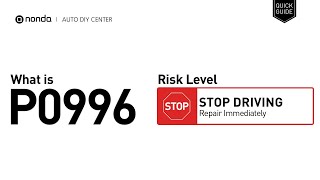
If you’re thinking about ignoring a P0996, let me stop you right there. This isn’t one of those codes you can just put off until your next oil change. The car can slip into limp mode, making it sluggish and unpredictable-sometimes even unsafe-especially if you’re pulling out into traffic or merging onto the highway. Even worse, if you keep driving with this problem, you could end up frying critical parts inside the transmission: the valve body, clutch packs, or the control module itself. I’ve seen repair bills skyrocket because someone waited too long. Bottom line? Get this one checked out before a minor annoyance turns into a major repair-or a dangerous situation.
Repair solutions for obd code P0996
Here’s what I’ve found actually fixes a P0996, both from my own experience and straight from the service manuals:
- Clean and repair any corroded or damaged wiring or connectors at the TFPS sensor-more often than not, this does the trick
- Replace the TFPS sensor if it fails your resistance or voltage checks
- Repair or replace any broken or shorted wires in the sensor’s circuit
- If you find internal transmission problems-like a stuck valve or leaking passage-those have to be fixed too (sometimes that means pulling the pan or even the valve body)
- On rare occasions, swap or reprogram the PCM/TCM, but only after you’ve ruled out every other possibility
After any repair, always clear the codes and take the car for a decent road test. You want to be sure everything’s shifting right before you call the job done.



Conclusion
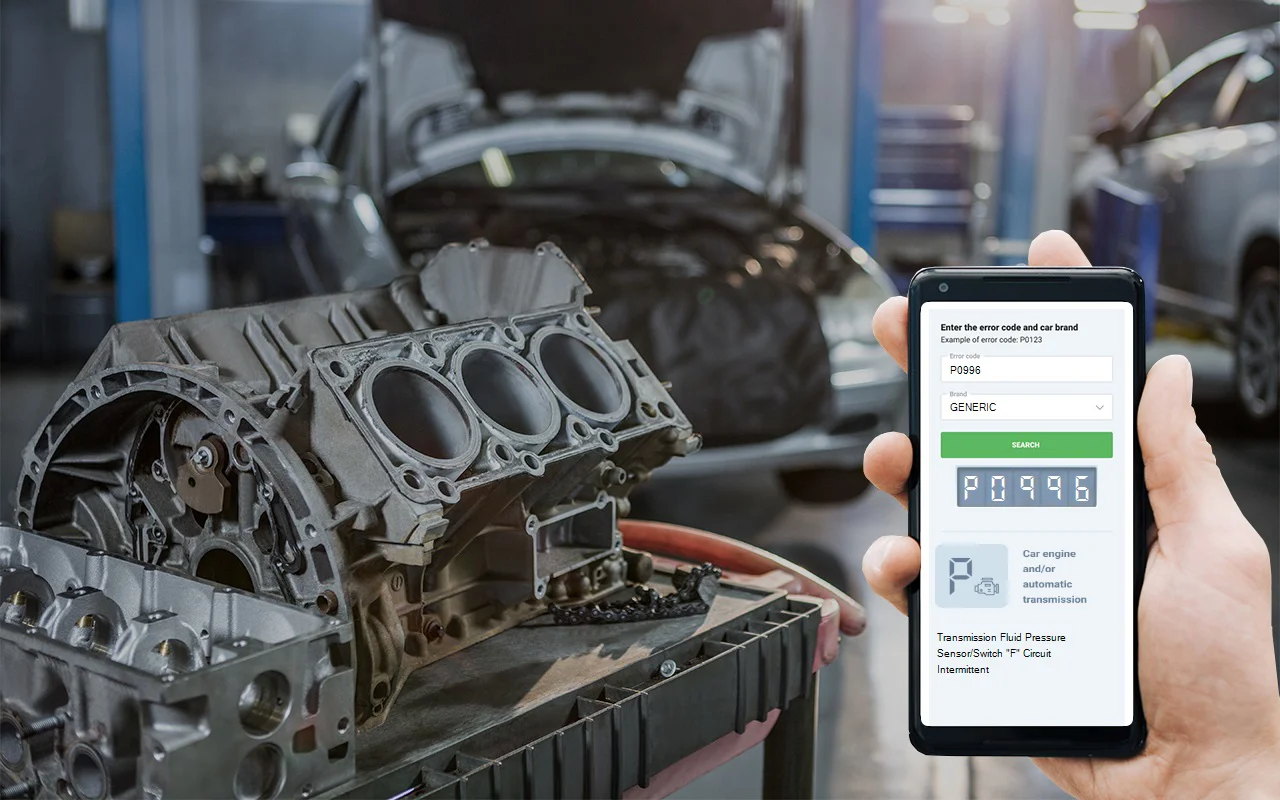
Here’s the takeaway: a P0996 code means your car’s computer isn’t getting the signal it expects from the transmission fluid pressure sensor’s "F" circuit. Most times, you’re dealing with a wiring issue or a sensor that’s given up the ghost. Don’t ignore it-catching it early keeps you from wrecking your transmission and keeps your car safe on the road. Start with a careful look at the wiring and connectors, test the sensor, and only move up the ladder to more complex repairs if you have to. Methodical troubleshooting beats guesswork every single time, and that’s how you’ll keep your transmission-and your wallet-in good shape.
 4436
4436 7 minutes of reading