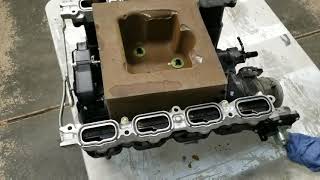
When you see the P2005 code pop up, it’s telling you that the intake manifold runner control on bank 2 is stuck open. Let me break that down: inside your engine’s intake manifold, there are special flaps-runners-that control how much air your engine breathes at any given moment. These aren’t static; they open and close depending on your driving. The idea is to keep things running smooth, help with fuel economy, and cut down on emissions. When the PCM (your engine’s computer) can’t get the runner on one side (bank 2) to move, it flags P2005. I’ve seen plenty of these over the years, and let me tell you-if that runner’s jammed open, your engine just can’t manage the air flow the way it’s supposed to. That’s when things start to go sideways, and that’s why you’re seeing this code.
DTC P2005
 5441
5441 5 minutes of reading
Causes of P2005 engine code
From experience, the most common reasons I see for a P2005 code are:
- A failed intake manifold runner control actuator or solenoid. This is the little motor or valve that actually moves the runner flaps.
- Blocked or leaky vacuum lines. These hoses help move the runners, and if they’re clogged or cracked, things won’t work right.
- Electrical problems, like damaged wires or bad connections in the runner control circuit. Sometimes it’s as simple as a loose plug.
- On rare occasions, the vehicle’s computer (PCM) itself can be at fault, but that’s not usually the first thing I check.
Most often, it’s the actuator or a vacuum issue, so that’s where I recommend starting. This error can also happen on this car brand Mercedes Benz, Ford, Renault.
Symptoms and obd code P2005
When this code is active, you’ll probably notice a few things. First off, the check engine light will be on. That’s your car’s way of saying something’s up. You might also feel the engine running rough, especially when you accelerate or at higher speeds. Some folks mention the car just feels sluggish or doesn’t have the same get-up-and-go. It’s also common to see your fuel mileage drop, since the engine isn’t breathing the way it should.

Diagnosis steps for P2005
Here’s how I usually tackle a P2005 code, step by step:
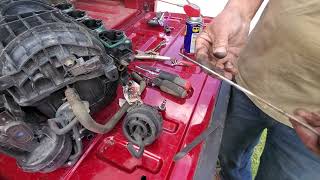
- Start with a visual inspection. Pop the hood and look for any obvious problems-cracked or disconnected vacuum hoses, loose wiring, or broken connectors around the intake manifold runner control actuator.
- Check the actuator itself. With the engine off, try to move the runner linkage by hand (if accessible). It should move smoothly. If it’s stuck, that’s a big clue.
- Test the vacuum lines. I recommend using a handheld vacuum pump if you have one, but even just feeling for suction with the engine running can tell you if there’s a leak or blockage.
- Inspect the wiring and connectors. Look for frayed wires, corrosion, or anything that looks out of place. Sometimes just unplugging and re-plugging the connector can clear up a bad connection.
- If everything looks good so far, I’ll use a scan tool to command the runner actuator on and off while watching for movement. If the actuator doesn’t respond, it’s likely faulty.
- As a last resort, if all the physical parts check out, I’ll consider the possibility of a PCM issue, but that’s pretty rare.
It’s best to have someone assist you when checking for runner movement, especially if you’re using a scan tool.

Common Mistakes with P2005 code
Let me tell you about mistakes I see in the shop all the time. The biggest one? Folks jump straight to swapping out the actuator or solenoid before giving the vacuum lines a once-over. Don’t do it. A cracked or blocked hose is a sneaky culprit and way cheaper to fix. Another one I see is ignoring the wiring-sometimes it’s just a crusty or loose connector causing all the grief. Always check both the mechanical and electrical sides before you start buying new parts. Skipping the basics? That’s a fast track to wasting both your time and your cash.

Seriousness of P2005 trouble code
If you’re wondering if you can just ignore this one-don’t. Sure, it might not leave you stranded on the roadside today, but a stuck-open runner means poor performance, more emissions, and you’ll notice your gas mileage nosedive. Stick with it long enough, and you’re risking fouled spark plugs or even messing up your catalytic converter if things run too rich. In my book, P2005 is something you want to fix sooner rather than later. Waiting only invites bigger repairs and bigger bills.
Repair steps for dtc P2005
Once you’ve nailed down the cause, here’s what I do to sort out a dtc p2005 mercedes benz or any other make:
- Swap out the intake manifold runner control actuator or solenoid if it’s toast.
- Repair or replace any vacuum lines that are blocked, brittle, or leaking.
- Fix up the wiring-patch broken wires, clean up any corrosion, and make sure connectors are tight.
- If it turns out the PCM is the issue (rare, but it happens), you’ll probably need it reprogrammed or replaced-but only after everything else checks out clean.
Don’t forget to clear the code and take it for a solid test drive. You want to make sure that fix actually holds up before you call the job done.
Conclusion
Here’s the bottom line: P2005 means your engine’s intake runner on bank 2 is stuck open, messing with airflow and robbing you of performance. Nine times out of ten, it comes down to a bum actuator, a sneaky vacuum leak, or a wiring gremlin. Don’t let it slide-get on top of it early and you’ll dodge bigger headaches. Always start with the simple stuff: vacuum hoses, connectors, and wires before throwing parts at it. Diagnose carefully, fix what’s broken, and confirm your work with a test drive. Trust me, both your engine and your wallet will appreciate the extra effort.