
Causes of P200C trouble code
From what I see most often in the shop, the P200C code is usually triggered by a few key issues. Here’s what tends to be behind it:
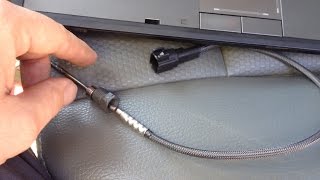
- Faulty or failing upstream exhaust gas temperature sensor (EGT2) - this is the most common culprit.
- Wiring problems, like damaged or corroded connectors to the EGT2 sensor.
- DPF regeneration malfunction, causing excessive heat buildup.
- Exhaust leaks upstream of the DPF, which can mess with sensor readings.
- Software calibration issues, though these are less common and usually addressed by a technical service bulletin.
I recommend starting with the sensor itself and its wiring, since that’s where most problems tend to crop up.
Symptoms of P200C code
When you’ve got a P200C code active, there are some telltale signs you shouldn’t overlook. The check engine light is usually your first clue-it’s hard to miss on the dash. Sometimes, you’ll notice the engine doesn’t have the same pep, especially if your car’s computer decides to dial things back to protect itself. A burning smell from the exhaust area isn’t uncommon, and I’ve seen vehicles where the cooling fan just won’t quit because it’s fighting all that extra heat. If you catch yourself hearing the DPF cycling more often or the fan whirring away, it’s worth investigating. And if things get worse, you might find your ride stuck in limp mode, which makes driving a real hassle. Don’t ignore these symptoms-they’re your car’s way of shouting for help.

Diagnosis with obd code P200C
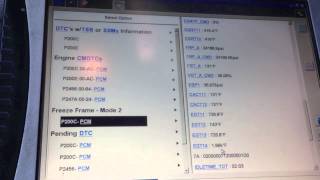
Whenever I’m tracking down a P200C code, I stick to a step-by-step approach that’s served me well over the years. First off, grab a scan tool and confirm the code-sometimes you’ll spot a few related codes that help narrow things down. Next, I always take a close look at the wiring and connectors leading to EGT2. Heat damage, corrosion, and loose connections are classic troublemakers; having someone wiggle the harness while you watch the live data on your scan tool can reveal issues that aren’t obvious at first glance. Then, I test the EGT2 sensor itself. OEM specs will give you the resistance it should have at room temp-if it’s way off, that sensor’s toast. Don’t forget to check for exhaust leaks upstream of the DPF; even a tiny leak can throw off temperature readings. If everything checks out so far, use your scan tool to monitor live data and compare those upstream temps to what’s normal during operation and regeneration. If you see wild spikes, you could be dealing with a bad sensor or a regeneration problem. One last step: check for technical service bulletins or software updates-sometimes a factory reflash is the fix. Always start with the basics before diving deeper.
Common Mistakes with P200C engine code
A classic mistake I see is folks going straight for the big-ticket repairs-swapping out the DPF or other expensive parts-without checking the sensor and wiring first. Trust me, you don’t want to burn cash on parts you don’t need. Another pitfall is overlooking exhaust leaks upstream; they’re sneaky but can really mess with your readings. I’ve also watched people clear the code and hope for the best. That’s wishful thinking and almost always leads to headaches down the road. Always hunt down the real cause before you start replacing anything.

Seriousness of obd2 code P200C
Let me be blunt: you can’t afford to ignore a P200C code. Overheating in the exhaust system isn’t just a nuisance-it’s a real threat to your car and even your safety. I’ve seen what happens when folks put this off. DPF damage, fried sensors, and even turbo failure aren’t just horror stories; they’re real outcomes if this code gets ignored. Once those temperatures start climbing out of control, repair bills can get ugly, fast. If your car starts losing power or goes into limp mode, that’s your wake-up call to get things sorted right away.
Repair solutions for dtc P200C
Based on what I’ve seen in the garage and what the manufacturer recommends, here’s how you usually solve the P200C code:
- Swap out the upstream exhaust gas temperature sensor (EGT2) if it’s not working right.
- Fix or replace any wiring or connectors that look damaged or corroded.
- Take care of any exhaust leaks upstream of the DPF.
- If DPF regeneration isn’t happening correctly, you might need to clean or replace the DPF itself.
- Sometimes, a software update is needed-always check for any technical service bulletins.
After the repairs, always clear the code and go for a test drive. That’s how you know the fix actually worked.


Conclusion
Here’s the bottom line: P200C means your exhaust system is running hotter than it should right before the DPF. Don’t brush this off-it’s a critical issue that can cause big damage and even put you at risk. If you want to save yourself a world of trouble, start with the sensor and wiring, then move on to checking for leaks and regeneration problems. Get it checked out and fixed quickly before those small problems turn into major headaches.
 5773
5773 5 minutes of reading