
Causes of P200D trouble code
From experience, the most common reasons I see for a p200d code are:
- A faulty DPF temperature sensor-these sensors can fail over time or get coated in soot.
- Wiring problems-open circuits, shorts, or corroded connectors in the sensor harness are frequent culprits.
- A clogged or overloaded DPF-if the filter is too full of soot, it can cause abnormal temperature readings.
- Less often, a bad connection at the sensor plug or damaged pins can be the root cause.
It’s usually one of these, so I recommend starting your checks here.
Symptoms of obd code P200D
Let’s talk about what you’ll notice if P200D pops up. Nine times out of ten, that check engine light’s going to be staring you down. Sometimes the engine will run rougher than usual, or you might find your ride stuck in limp mode-basically, the car’s way of protecting itself from further damage. Keep an eye out for extra smoke out back or emissions warnings on your dash. Honestly, though, that warning light is your main clue; it loves to grab your attention first.

Diagnosis process for P200D code
Here’s how I usually tackle a p200d code:
- First thing I do? Scan for any other trouble codes-don’t ignore them, they’re often the breadcrumbs you need.
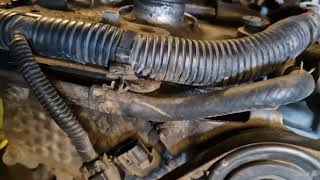
- Next, I’ll give the DPF temperature sensor and its wiring a good look-over. I’m checking for broken wires, loose plugs, corrosion-anything that looks out of place. Pro-tip: have someone gently wiggle the harness while you watch for any flicker or change.
- Then it’s time for the scan tool. I pull up the live data for all the DPF temp sensors. If one sensor’s reading is way off compared to the others, or just doesn’t make sense for the situation, you’ve found a big lead.
- If the sensor and wiring seem alright, I turn my attention to the DPF itself. Excess soot can cause heat issues, and sometimes you’ll spot this just by looking. More often, though, you’ll want to check the DPF pressure readings with your scan tool.
- Don’t overlook those connector pins. Bent, pushed-out, or corroded pins are sneaky-they can cause headaches that mimic a bad sensor every single time.
Always start with the basics before pulling out the big diagnostic guns. Saves time-and money.
Common mistakes when dealing with dtc P200D
A classic mistake I see: folks toss a brand-new sensor or even a DPF at the problem before checking the wiring. That’s an expensive lesson no one wants to learn twice. Another slip-up? Ignoring other codes that could point to the real issue upstream. And don’t get me started on skipping connector inspections-a loose or corroded pin can have you chasing ghosts for hours. Take it from me, double-check those basics before you start buying parts.

Seriousness of P200D
P200D isn’t something you can just shrug off. If the DPF temp sensor isn’t doing its job, your car’s brain (the PCM) can’t manage those regeneration cycles right. So what does this actually mean for your car? You risk clogging up the DPF, losing performance, pumping out more emissions, and possibly even torching engine parts if it gets bad enough. Let this go too long and you could be looking at a pricey DPF replacement-or worse. Bottom line: deal with it sooner rather than later.
Repair steps for obd2 code P200D
Here’s what’s worked best for me when fixing a P200D:
- Swap out the DPF temperature sensor if it’s giving bad readings or has flat-out failed.
- Repair or replace any damaged wires or connectors you find in the sensor harness-don’t skimp on this step.
- If the DPF’s clogged and that’s behind your high temps, try cleaning it first. Sometimes, though, replacement is the only option.
- After repairs, clear the code and road test the vehicle. Make sure the problem’s fixed and the code stays gone.
Always double-check your work by watching live data-sensor readings should be back where they belong once you’re done.



Conclusion
Here’s the takeaway: P200D is your warning that the DPF temperature monitoring system’s not doing its job-usually thanks to a failed sensor, wiring gremlins, or a blocked filter. Don’t underestimate it; let it slide, and you’re asking for bigger, more expensive trouble. My advice? Start with a sharp look at the sensor and wiring, check for DPF blockages, and only swap parts when you know they’re bad. Move quick, fix it right, and you’ll save yourself a lot of hassle-and cash-down the road.
 4121
4121 5 minutes of reading