
Causes of the P200E code
From experience, the most common reasons for a p200e are usually related to either the sensor itself or something causing the exhaust to run hotter than it should. Here’s what I see most often:
- Faulty or failing exhaust gas temperature sensor (EGT2) downstream of the DOC
- Wiring issues-damaged, shorted, or corroded connectors at the sensor
- Problems with the Diesel Oxidation Catalyst (DOC) itself, like internal clogging or failure
- Excessive fuel entering the exhaust (often from injector leaks or regeneration issues)
- Software calibration issues or outdated engine control module programming
- Rarely, a malfunctioning turbocharger or EGR system causing higher exhaust temps
In cases like this, it’s usually the sensor or wiring, but don’t rule out the other possibilities without checking.
Symptoms of obd2 code P200E
If you’ve got this code active, you might notice a few things while driving. Most commonly, you’ll see the check engine light come on. Sometimes, the vehicle might go into a reduced power or ‘limp’ mode to protect itself. You could also notice the engine fan running more often, or even smell something hot or unusual from the exhaust. In rare cases, there might be a warning about the emissions system or even a message about high exhaust temperature. But honestly, sometimes the only clue is that warning light on the dash.

Diagnosis steps for the P200E trouble code
Here’s how I usually tackle this issue, step by step:
- Start by scanning the system for any other codes-sometimes P200E is just the tip of the iceberg.
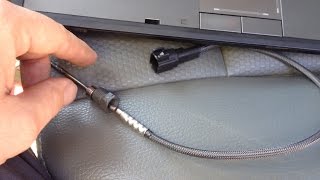
- Visually inspect the exhaust gas temperature sensor (downstream of the DOC). Look for damaged wiring, loose connectors, or signs of heat damage. It’s best to have someone help you if you’re working under the car.
- Check the sensor’s wiring harness for any signs of rubbing, melting, or corrosion. Don’t forget to inspect the connector pins for green corrosion or bent pins.
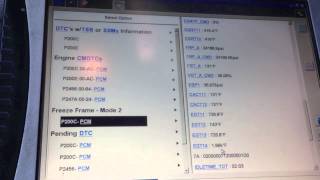
- If everything looks good, use a scan tool to monitor the live data from the EGT2 sensor. Compare its readings to the other exhaust temperature sensors-if it’s way off, that’s a big clue.
- If the sensor readings are believable but still too high, inspect the DOC for signs of clogging or internal damage. Sometimes you’ll need a borescope or to remove the DOC for a closer look.
- Check for signs of excessive fuel in the exhaust, like black smoke or strong diesel smell, which could point to injector or regeneration issues.
- Finally, check for any available software updates or TSBs related to the code-sometimes a reflash is needed to correct false triggers.
It’s best to start with the simple stuff before moving on to the more involved checks.
Common mistakes when addressing the P200E engine code
I’ve seen a few common mistakes when folks try to fix this problem. One is replacing the sensor right away without checking the wiring or connectors-sometimes it’s just a loose or corroded pin. Another is ignoring other codes that might be related, which can lead you down the wrong path. Some people also overlook the possibility of DOC problems, focusing only on the sensor. And don’t forget to check for software updates-skipping this step can mean the problem comes right back. Rushing through diagnostics or skipping steps is a surefire way to waste time and money.

Seriousness of a P200E
Let me be straight with you: you can’t afford to ignore this one. High exhaust temps don’t mess around-they can roast the catalyst, melt wiring, and in worst-case scenarios, even start a fire. If the DOC overheats, you might end up with a cracked or busted catalyst, which is anything but cheap to fix. The damage doesn’t stop there; downstream sensors, the DPF, or even your turbo could get caught in the crossfire if temperatures keep climbing. My advice? Don’t put off dealing with P200E. Problems stack up fast if you turn a blind eye.
Repair solutions for dtc P200E
Here’s what usually fixes this fault, based on what I’ve seen and what the manuals recommend:
- Replace the faulty exhaust gas temperature sensor (EGT2) if it’s out of spec or not reading correctly
- Repair or replace any damaged wiring or connectors at the sensor
- Clean or replace the Diesel Oxidation Catalyst if it’s clogged or damaged
- Address any fuel system issues, like leaking injectors or faulty regeneration cycles
- Update the engine control module software if there’s a TSB or update available
Always clear the code and test drive the vehicle to make sure the repair worked.

Conclusion
If you see P200E staring back at you, don’t shrug it off. Your exhaust system is telling you it’s running way too hot, and that warning isn’t just for show-it’s your chance to step in before you’re shelling out for major repairs. I always say: start simple. Check the sensor and wiring first, then work your way to the bigger stuff like the catalyst or fuel system. Nine times out of ten, it’s a sensor or wiring snag, but you can’t cut corners here. The risks are just too high, and a thorough, methodical approach is your best shot at getting it fixed right the first time. Tackle it now, and you’ll save yourself a world of hassle down the line.
 5532
5532 5 minutes of reading