
Causes of P2021 engine code
From my time under the hood, the most frequent culprits behind a p2021 code are:
- A failed intake manifold runner position sensor or switch-that’s your main feedback loop to the computer about the valve’s position.
- Wiring issues in the sensor circuit-think wires that are pinched, corroded, or have gone open or shorted from years of heat and vibration.
- Poor connections right at the sensor or actuator-dirty, loose, or oxidized plugs can wreak havoc and throw you off the trail.
- Mechanical troubles inside the IMRC-sticking, binding, or carbon buildup jamming the valve, or sometimes plain old debris getting in the way.
In my shop, the sensor or wiring is usually the problem, but I’ve run into plenty of cases where the valve assembly itself is seized up. Make sure you check all of these before you start swapping parts.
Symptoms of P2021 trouble code
Once this code shows up, the first sign you’ll notice is the check engine light staring back at you. Sometimes, you might not feel any difference at all, at least not right away. But don’t be fooled; there are times when you’ll catch a rougher idle, see your gas mileage start to slip, or notice a slight stumble when you get on the throttle. If that valve is really jammed, the engine can feel sluggish-especially at certain RPMs where the IMRC system is supposed to do its magic. I can tell you from experience, a lot of folks don’t sense a thing until the issue gets worse, but it’s still smart to get it looked at sooner rather than later.

Diagnosis steps for dtc P2021
Here’s my go-to process when I’m tracking down a dtc p2021:
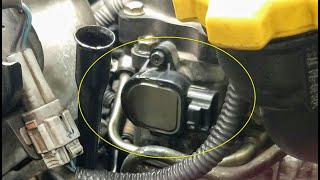
- Start with a good old-fashioned visual check. Pop the hood and eyeball the wiring and connectors going to the IMRC sensor and actuator on Bank 2. Look for anything loose, corroded, or damaged. You’d be surprised how many issues are just a plug that’s worked itself loose.
- Next up, inspect the wiring harness. Look for pinched, frayed, or heat-damaged wires-especially anywhere they bend or are close to hot engine parts. If you find a problem, fix or replace it.
- After the basics, grab a scan tool and watch the sensor readings. If the number’s stuck on one value or totally unresponsive, odds are you’ve got a bad sensor or a wiring problem.
- If both wiring and sensor check out, it’s time to get mechanical. With the engine off, try moving the IMRC linkage by hand. If it’s sticky, gritty, or won’t budge, you might have carbon buildup or a busted internal part.
- Here’s a pro-tip: Always check for Technical Service Bulletins (TSBs) for your car. Sometimes the automaker knows about a recurring issue and has an upgraded part or a quick fix that’ll save you hours.
If you’re not comfortable poking around electrical connectors or moving engine bits, don’t go it alone-get a second set of hands or take it to a pro.
Common mistakes when troubleshooting obd2 code P2021
A classic mistake I see is folks jumping straight to buying a new sensor without looking at the wiring or the mechanical side of things. That’s a fast way to burn cash if your real issue is a stuck valve or a broken wire. Skipping the visual inspection is another big one-sometimes all that’s wrong is a connector that’s barely hanging on. Take it from me: always start with the simple stuff before throwing parts at the problem.

Seriousness of the P2021 code
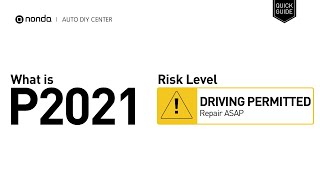
Don’t shrug this code off. Sure, the engine might still run, but you’re playing with fire. If the intake runner gets stuck, you’re risking lousy fuel economy, rough performance, or even long-term engine damage. In worst-case scenarios, if the valve mechanism fails and pieces break off, they can end up inside the engine-that’s a nightmare repair bill. The bottom line? This problem can snowball fast if you let it sit.
Repair process for obd code P2021
Based on what I’ve seen-and what the manuals back up-these are the usual fixes for a dtc p2021:
- Repair or replace damaged wires or connectors in the IMRC circuit-sometimes it’s as simple as cleaning up a corroded pin.
- Swap out the intake manifold runner position sensor or switch if it’s not doing its job anymore.
- Get in there and clean or repair the IMRC valve mechanism if it’s sticking or blocked. A thorough cleaning can work wonders, but sometimes you’ll need a new part.
- If all else fails and the internal mechanism is toast, you may have to replace the whole intake manifold assembly. Not common, but I’ve seen it happen.
After any repair, clear the code and take your car for a test drive. Make sure everything’s working the way it should before you call the job done.
Conclusion
Here’s what it boils down to: P2021 means your intake manifold runner control system isn’t doing its job on one side-usually because of a sensor, wiring, or mechanical hang-up. Ignoring it is asking for trouble, as the headaches only get bigger the longer you wait. My advice? Start by checking the wiring and connectors, then move on to the sensor and valve hardware. Nine times out of ten, fixing the wiring or changing out the sensor gets you back on the road, but don’t skip the basics. Tackle it early and you’ll keep your engine running smooth and your wallet happy.
 4652
4652 6 minutes of reading