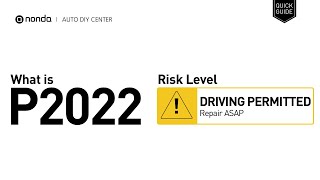
When you see the code p2022 pop up, you’re looking at an issue with the intake manifold runner control (IMRC) system on Bank 2 of your engine. Let me break that down in shop-talk: the IMRC is basically a set of flaps or valves tucked inside your intake manifold. These guys open and close to fine-tune how your engine breathes, depending on how hard you’re pressing the pedal. If the computer senses that the position sensor or switch circuit for those runners isn’t playing ball, you’ll get slapped with this code. In my time working on Dodges and Mercedes-Benzes, I've seen that the basic setup is similar, but the parts can be a bit different. The real job of this system? Making sure your engine gets the right amount of air, at the right time, for both power and efficiency. If it’s not working, you’ll notice your engine just doesn’t have that pep it should.
DTC P2022
 3986
3986 6 minutes of reading
Main Causes of obd2 code P2022
From experience, the most common reasons I see for a p2022 code are:
- A busted intake manifold runner position sensor or switch-this is what tells your ECM where those flaps are.
- Wiring gremlins-think broken wires, sketchy connections, or corrosion in the harness or connectors for the IMRC setup.
- Mechanical hang-ups-sometimes the runner mechanism gets stuck, jammed, or just plain broken. I’ve found everything from carbon gunk to a snapped actuator arm stopping things from moving.
- Every once in a blue moon, you might have a problem with the engine control module itself, but that's pretty rare in my book.
It’s almost always one of those first three. On both Dodge and Mercedes-Benz platforms, those are the top suspects I chase down first.
Recognizing Symptoms of P2022 code
Here’s what you’re likely to notice if p2022 is haunting your car. First and foremost, that dreaded check engine light will be staring back at you. Sometimes, you’ll feel the engine running a bit rough-especially when you try to accelerate or hit certain RPMs. You might even notice the car feels sluggish or not as eager as usual. Occasionally, there’s hesitation or a general lack of response when you step on it. But I’ve seen plenty of cases where the only clue is that warning light, and everything else feels normal-at least for a while.

Effective Diagnosis Steps for P2022
Let me walk you through how I track down a p2022 code in the bay:
- I always kick things off with a good old-fashioned visual inspection. Pop the hood and eyeball the wiring and connectors running to the IMRC actuator and position sensor on Bank 2. You’re hunting for anything obvious-frayed wires, loose plugs, green fuzz (corrosion), or busted plastic. A garage trick: have someone wiggle the harness while you watch for any hiccups or changes.
- Next up, I hook up the scan tool and check what the sensor’s telling the computer. If it’s stuck at one reading or not budging, you’re onto something.
- If I can get to it, I’ll try moving the IMRC mechanism by hand. Sometimes, it’s just jammed with carbon or road debris. Don’t overlook vacuum leaks or a dead actuator if your setup uses vacuum power.
- Still no dice? Grab the multimeter and start checking the wiring for continuity-making sure there’s no short or open circuit hiding in there.
- If all the above checks out and you’re still seeing the code, try clearing it and see if it comes right back. If it does, you might be dealing with a deeper electrical or computer issue, but honestly, that’s pretty rare in my experience.
Start simple and don’t overthink it. The basics catch most problems before you need to pull out the wiring diagrams and go hunting for ghosts.
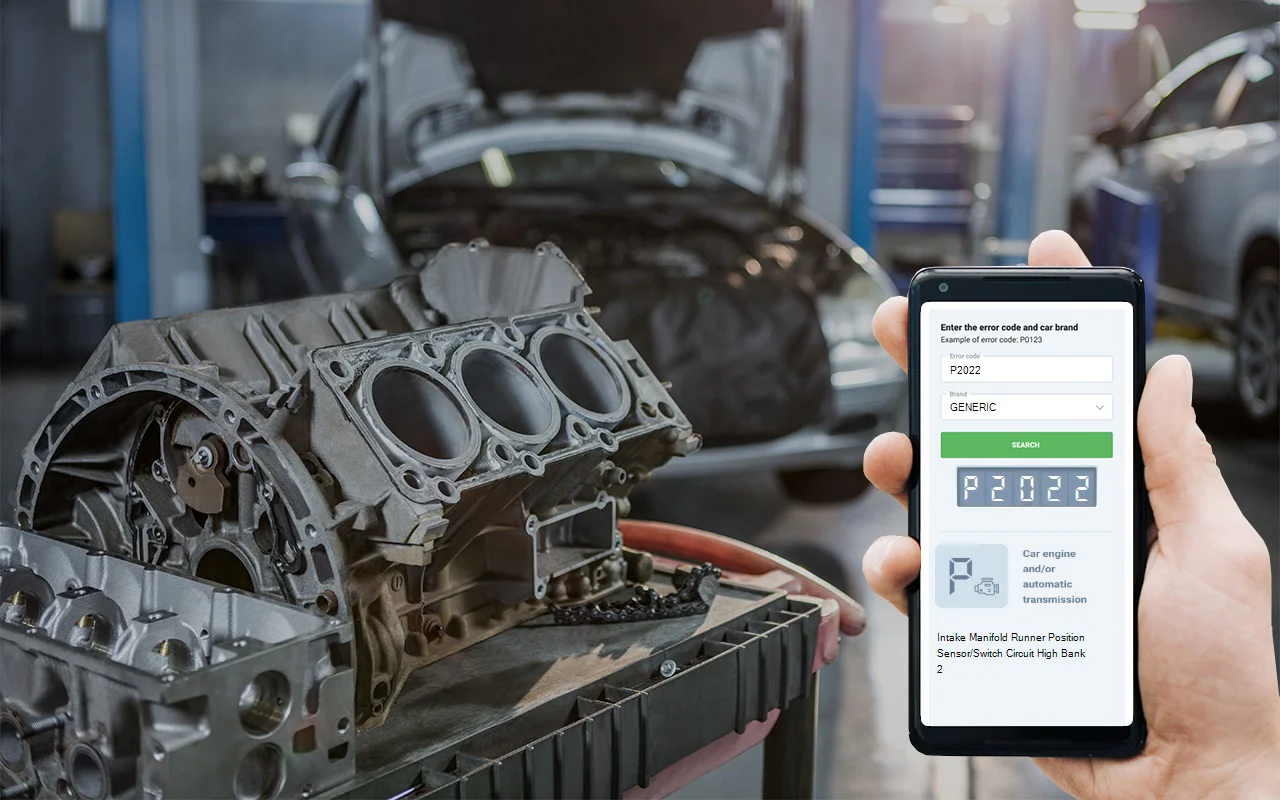
Common Mistakes When Addressing obd code P2022
A classic mistake I see is folks immediately replacing the IMRC actuator or sensor without checking the wiring or looking for mechanical hang-ups. That’s a fast way to empty your wallet for nothing. Another one? Ignoring the connectors-sometimes it’s something as simple as a bent pin or a bit of corrosion causing all the headaches. And here’s a pro-tip: if you’re working on a V6 or V8 with two banks, don’t get your banks mixed up. Swapping parts or chasing the wrong side wastes a ton of time.

How Serious is dtc P2022
This isn’t the kind of thing you want to shrug off. Sure, it might not leave you stuck on the side of the road right away, but running with a stuck or faulty intake runner drags down your fuel economy, bumps up emissions, and leaves your car feeling like it’s lost its edge. Let it go long enough, and you risk burning up the actuator or even damaging the intake manifold itself if it keeps fighting a stuck flap. Plus, if you’re due for an emissions test, this code can spell trouble. Bottom line: don’t let it sit-handle it before it snowballs into bigger headaches.
Recommended Repair Steps for P2022 trouble code
Here’s what usually fixes a p2022:
- Patch up or swap out any damaged wiring or sketchy connectors going to the IMRC sensor or actuator.
- Swap the intake manifold runner position sensor or switch if it’s giving bad readings.
- Give the IMRC mechanism a thorough cleaning or repair if it’s stuck-sometimes a little elbow grease is all it needs.
- In those rare worst-case scenarios, you might have to replace the IMRC actuator or, if the damage is deep, the whole intake manifold.
Start with the easy stuff-wiring and connectors-before throwing money at parts. Nine times out of ten, the fix is simpler than you think.
Conclusion
To wrap it up, a p2022 code means the intake runner control system on Bank 2 isn’t talking to the computer the way it should. Don’t ignore it-it’ll drag down performance and could set you up for bigger problems if you let it linger. The smartest way to fix it? Begin with a careful look at the wiring and connectors, then move on to the sensor and runner mechanism. Stick to the basics, and you’ll usually track down the issue without too much hassle. Get ahead of it, and you’ll save yourself a lot of frustration (and cash) in the long run.