
Causes of dtc P2026
From my time under the hood and flipping through the factory wiring diagrams, I’ve found there are a handful of usual suspects when it comes to P2026. Nine times out of ten, it’s either a wiring issue or the sensor itself. Here’s where I’d start poking around if this code landed in my bay:
- An open circuit somewhere in the NVLD sensor wiring-think broken or unplugged wires
- A short to voltage or ground in the NVLD sensor circuit (sometimes a rubbed-through wire is all it takes)
- A damaged or flat-out failed NVLD module (the sensor’s built right into it)
- Corroded, loose, or water-soaked connectors at the NVLD module-these are classic trouble spots
- Once in a blue moon, the PCM (the main computer) itself has issues, but that’s the rarest cause
Symptoms of P2026 trouble code
Here’s something I always tell customers: you probably won’t feel a thing when P2026 pops up. The car will drive just fine. The most common-and sometimes only-sign is the check engine light staring you down from the dash. Occasionally, if there’s an actual leak, you might get a whiff of fuel or see a failed emissions test, but this code is triggered by an electrical reading, not a big mechanical issue. So, if you’re waiting for rough idling or stalling, you’ll be left waiting. It’s that glowing check engine light that gives it away.

Diagnosis and P2026
When I’m chasing down a stubborn P2026, I always start with the basics-no point in overcomplicating things. Here’s my step-by-step process:
- First thing, I get eyes on the NVLD module’s connector. I’m looking for crusty corrosion, signs of water, or loose pins. A lot of problems can be traced back to something simple like a backed-out terminal or a green, corroded connector.
- Next, out comes the multimeter. I check the NVLD sensor wiring for continuity-making sure wires aren’t broken or shorted to ground or power. If you’re not handy with a meter, don’t be shy about asking someone for help.
- If the wiring looks solid, I move to the NVLD module itself. Sometimes, the built-in sensor fails, and you’ll need to swap out the whole module.
- And if you’ve checked everything else and the code still won’t clear, then (and only then) do I start suspecting the PCM. But honestly, that’s a rare bird. Most of the time, it’s something much simpler.
Take your time as you go-rushing through this checklist is a great way to overlook the obvious.
Common Mistakes with the P2026 code
A classic mistake I see all too often: folks go straight for a new NVLD module, skipping over the wiring and connectors. That’s a quick way to drain your wallet for no good reason. Another thing that trips people up is overlooking subtle signs of moisture or corrosion at the connectors-just a little green fuzz can wreak havoc. And please, don’t just clear the code and cross your fingers. If you don’t track down the real cause, it’ll be back before you know it.

Seriousness of the P2026 engine code
Now, P2026 isn’t the kind of code that’s going to leave you stuck on the side of the road. But don’t get comfortable-ignoring it isn’t a smart move. The real headache comes if you’ve got an emissions test coming up; P2026 will earn you a failed sticker every time. If there’s a lurking wiring issue, it can mess with other emissions components, too. Let this linger, and you might face costlier repairs or even damage to the NVLD module or PCM. Bottom line: don’t let this one collect dust.
Repairing obd2 code P2026
Over the years, I’ve found these fixes to be the ones that actually solve the problem (and the service manuals back me up):
- Patch up or replace any busted wiring or crusty connectors at the NVLD module
- Clean out and thoroughly dry any connectors that show water or corrosion
- If the NVLD module tests bad, swap it out for a new one
- And on the rare chance the PCM is truly at fault, replace it-but this almost never comes up
Don’t forget: after any repair, clear the code and take the car for a spin. If the code stays gone, you know you nailed it.

Conclusion
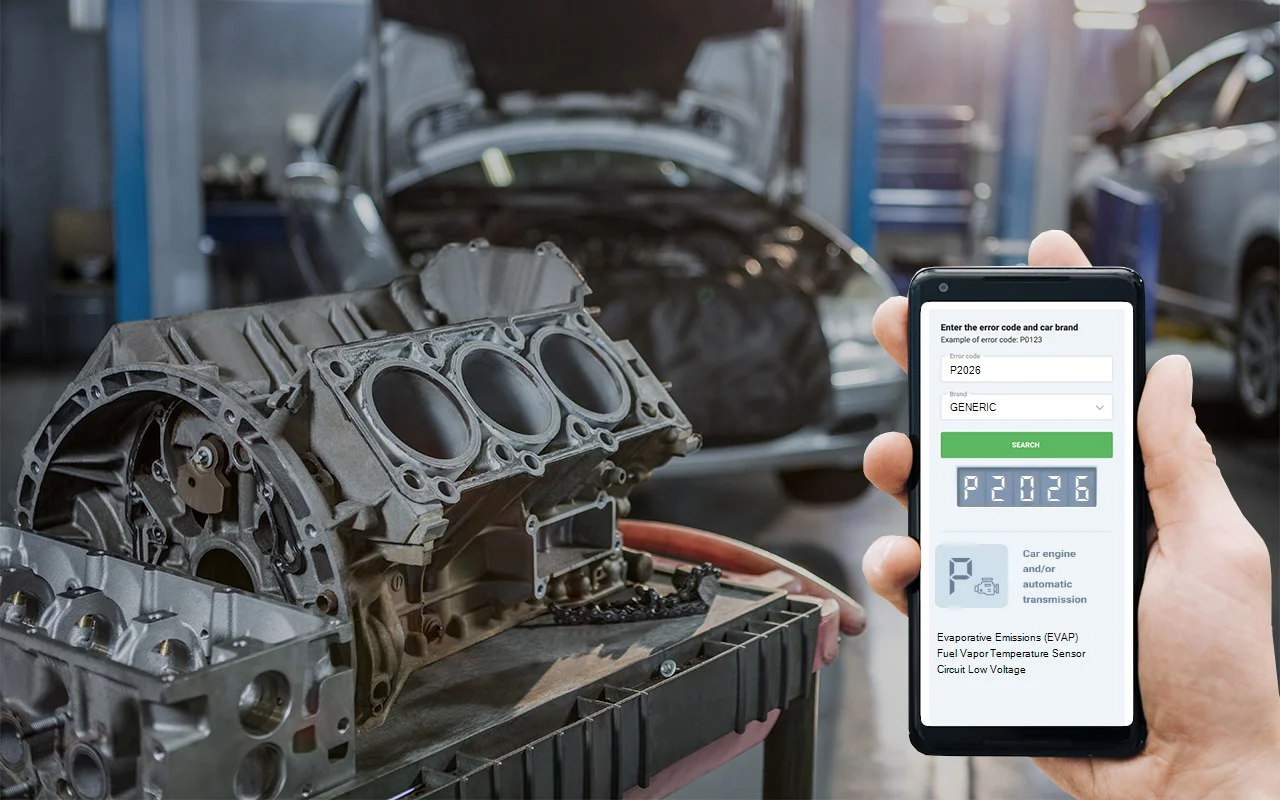
Here’s the bottom line from someone who’s seen this code dozens of times: P2026 means your car’s computer can’t trust the fuel vapor temperature sensor in the evap system. It’s usually something simple-wiring or the sensor itself. While you won’t get stranded, you could fail emissions or build up bigger problems if you ignore it. My advice? Take a close look at the wiring and connectors before throwing parts at it. Tackle it now, and you’ll save yourself headaches (and money) later on.
 4091
4091 5 minutes of reading