
Causes of P2027 engine code
From my time under the hood and flipping through service manuals, here’s what usually causes a P2027 code:
- An open circuit somewhere in the NVLD wiring-think of it as a broken wire between the sensor and the computer.
- A short in the NVLD circuit, either to voltage or ground. Damaged insulation or a wire that’s been pinched during a previous repair is a classic source of trouble here.
- The NVLD module itself going bad. Sometimes, the sensor just gives up the ghost.
- PCM issues-but honestly, those are few and far between. Nine times out of ten, it’s a wiring or sensor problem.
If you ask me, always check the simple stuff first-the wiring and the sensor are usually where you’ll find your answer.
dtc P2027 symptoms
When P2027 shows up, the check engine light is almost guaranteed to greet you. Most folks don't notice any difference in drivability-this code is tied to the emissions system, so your car will probably run just fine. Here’s the catch, though: You’ll fail your next emissions test until this gets sorted out. Every once in a while, if there’s a related leak, you might notice a whiff of gasoline, but most of the time, it’s just that pesky warning light that won’t quit.

P2027 trouble code diagnosis
Here’s how I go after this one, step by step:
- I always start by popping the hood and giving the wiring and connectors at the NVLD module a good look. Any cracks, loose pins, or signs of water intrusion jump out at me right away. Corrosion on the connector pins? That’s a big warning sign.
- If everything looks dry and tight, I’ll grab my multimeter and check for continuity in the NVLD circuit. I’m checking for broken wires or shorts to ground or power. Here’s a pro-tip: Have a buddy wiggle the harness while you test-it helps catch those sneaky, intermittent faults.
- Next, I’ll measure the resistance of the NVLD sensor and compare it to the manufacturer’s specs. If it’s way off, that’s usually your bad actor right there.
- If the wiring and sensor both pass the test, I’ll use a scan tool to see how the PCM is responding. Truthfully, though, a faulty PCM is pretty rare with this code.
Don’t gloss over a careful check for water or corrosion in the connectors-ignoring that is how you end up chasing your tail for hours.
Common mistakes when fixing obd code P2027
One thing I see all too often? Folks throwing new parts at the problem-replacing the NVLD module or even the PCM-without first checking the wiring. That’s a fast way to burn through cash with nothing to show for it. Another classic blunder is overlooking connector corrosion or water damage. Skipping a thorough visual inspection at the start can turn a quick fix into a real headache. Sometimes, the fix is as simple as cleaning up a connector or patching a wire-don’t overthink it.

Seriousness of P2027
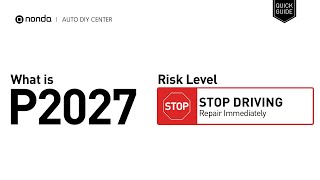
This isn’t the sort of code you want to leave for next month’s to-do list. While it’s unlikely to leave you stranded on the side of the road, an active P2027 means your emissions system isn’t pulling its weight. That means extra pollution, and if there’s a wiring short involved, you could be looking at more electrical gremlins down the line. In the worst-case scenario, a lingering electrical fault could fry your PCM-and that’s a repair nobody wants to pay for. Plus, your car’s not passing any emissions tests until it’s fixed. Bottom line: Tackle it sooner rather than later.
Repair procedures for obd2 code P2027
Here’s my go-to plan for knocking out a P2027:
- Fix or replace any damaged wiring or connectors leading to the NVLD module. Make sure everything’s dry, clean, and snug.
- If you find the sensor in the NVLD module is out of spec, swap out the module for a new one.
- Once repairs are done, clear the code and take the car for a test drive to make sure the code doesn’t come back.
- If you’ve covered the wiring and module and the code still returns, only then do I start thinking about the PCM. Honestly, though, that’s pretty rare.
Start simple and work your way up-you’ll save yourself time, money, and a lot of frustration.

Conclusion
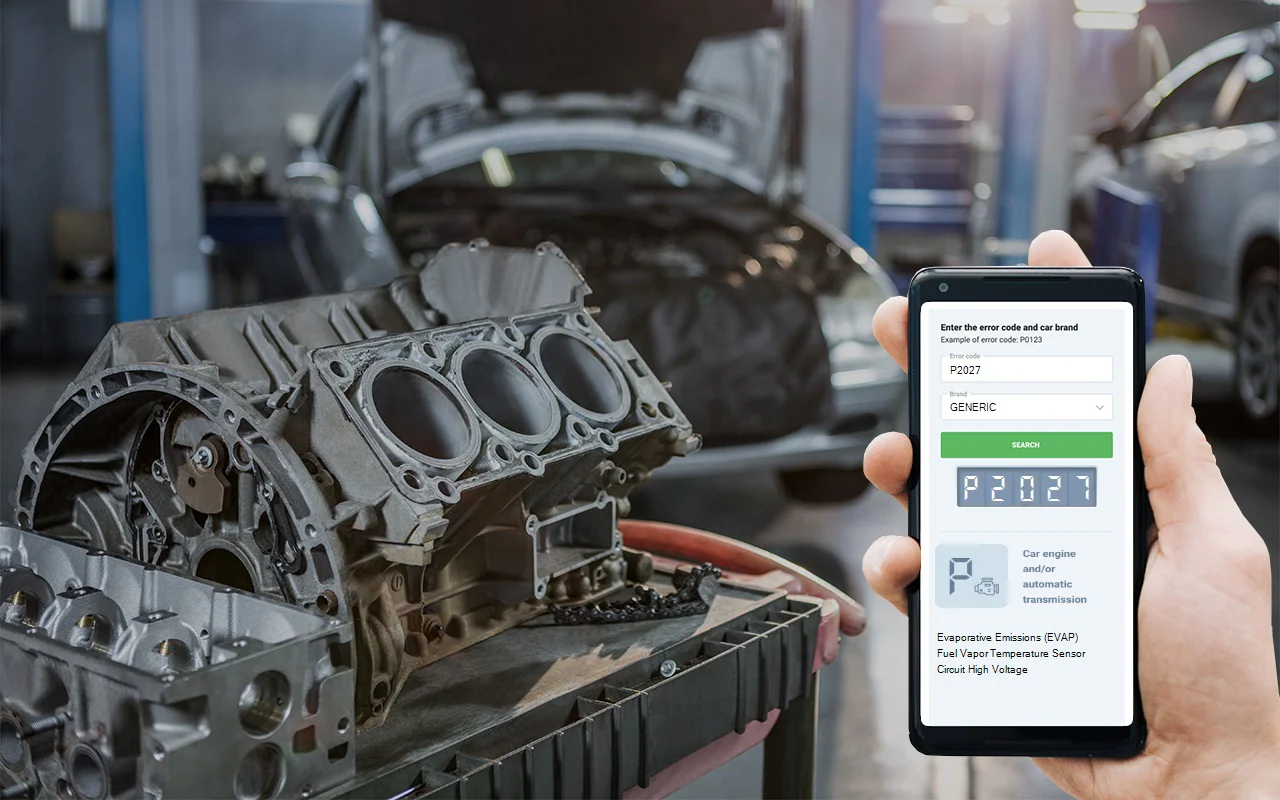
So, what does P2027 really mean for you? Your car’s computer is seeing a signal from the fuel vapor temperature sensor that just doesn’t make sense. Most times, it’s a wiring or sensor issue-and while it usually won’t mess with how your car drives, it’s critical to fix it if you want to avoid bigger headaches and keep your car legal for emissions. My advice: Start with a slow, careful inspection of the wiring and connectors. Tackle anything obvious before you shell out for new parts. That’s how you keep your ride reliable and the check engine light off for good.
 4189
4189 5 minutes of reading