
Causes of P202D engine code
From my experience in the shop, the most common reasons for a P202D code on Ford vehicles are:
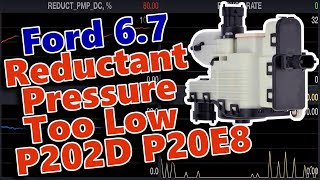
- A faulty reductant tank pump-this is the part that moves DEF from the tank to the exhaust system.
- Wiring harness problems, like open circuits or shorts, which can interrupt the pump’s operation.
- Poor electrical connections at the pump-sometimes the connectors get corroded, bent, or just don’t make good contact anymore.
It’s not unusual for other brands to have slightly different root causes, but if you’re driving a Ford, these are the big three I’d check first.
Symptoms of P202D
If you’ve got a P202D code, the most obvious thing you’ll notice is the check engine light coming on. Sometimes, you might also see a warning about the emissions system or a message about the DEF system needing service. Most of the time, you won’t feel any change in how the car drives right away, but if the problem sticks around, your vehicle could eventually limit engine power or refuse to start after a certain number of miles. That’s the car’s way of making sure you don’t ignore a serious emissions issue.

Diagnosis steps for dtc P202D
Let me walk you through the process I use when tracking down a P202D-it’s a method that’s saved me countless hours and headaches:
- First thing I always do: a good old-fashioned visual inspection. Take a hard look at the wiring harness and connectors for the reductant tank pump. Frayed wires? Corrosion? Loose pins? Anything that looks out of the ordinary deserves your attention.
- Next, don’t overlook the basics. Make sure those connectors are clicked in tight and free from grime or moisture. I’ve lost count of how many times a simple clean-and-reseat did the trick.
- After that, grab your multimeter and check for power and ground at the pump’s connector. If you’re not seeing voltage, it’s time to chase the wiring back and find the fault-could be a break, could be a short.
- With the wiring ruled out, check the pump itself. On a lot of rigs, you can use a scan tool to command the pump and listen for it running. No sound? Odds are the pump’s given up the ghost.
- One last thing-don’t forget to look for DEF leaks around the tank and lines. A small leak can set this code off just as easily as a dead pump.
Pro-tip from the garage: always work safely. If you need to get under the car, make sure it’s well supported and, whenever possible, have a buddy keep an eye out.
Common mistakes when fixing P202D code
A classic mistake I see way too often is folks yanking out the pump without even glancing at the wiring or connectors. Let me tell you, that’s a quick way to throw money down the drain. More often than not, a crusty connection or a snapped wire is the real troublemaker. Another thing people skip? Inspecting for corrosion or moisture at the connectors. Those little gremlins cause more issues than you’d think. Always go over the simple stuff before you start spending on pricey parts.

How serious is obd2 code P202D
This isn’t a code you want to put on the back burner. You might not notice any changes right away, but if you let a P202D fester, your vehicle could slip into limp mode-or even flat-out refuse to start after a while. Imagine getting stranded miles from home because of a neglected DEF problem. Plus, running with a faulty emissions system is rough on the environment and can wreck other DEF parts like injectors and sensors if left unchecked. Trust me, things can spiral fast if you ignore it.
Repair solutions for obd code P202D
Here’s my go-to repair plan for a P202D, based on what I see rolling into my bay:
- Patch up or swap out any damaged wiring or connectors running to the reductant tank pump.
- If you’ve tested everything and the pump’s toast, replace it with a quality OEM unit. Cheap aftermarket pumps? I avoid them-they rarely last.
- Clean up and secure every electrical connection to guarantee a solid, reliable contact.
- If you stumble across any DEF leaks, don’t put it off-fix those lines or seals right away.
Once you’ve wrapped up repairs, clear the code and run a system test to confirm everything’s behaving how it should. Never skip this step-it’s your peace of mind.


Conclusion
Bottom line: P202D means your DEF delivery system isn’t pulling its weight-usually thanks to a bum pump, bad wiring, or a lousy connection. Don’t shrug this one off. If you do, you risk bigger headaches, from breakdowns to costly DEF system damage. The smartest move? Start with a careful check of the wiring and connectors before chasing more expensive fixes. Work methodically, act fast, and you’ll keep your vehicle running clean and avoid a world of trouble down the road.
 5410
5410 5 minutes of reading