
Causes of P2031 trouble code
From what I see most often in the shop, the main culprits behind a p2031 code are:
- A failed exhaust gas temperature sensor (EGTS) itself-these sensors do wear out over time, especially with all the heat they deal with.
- Wiring issues, like an open or shorted harness going to the sensor. Sometimes the wires get brittle, melted, or damaged from road debris or heat.
- Poor electrical connections-corrosion or loose pins at the sensor plug can easily cause trouble.
- Exhaust leaks near the sensor, which can mess with the readings.
- Heavy soot or particulate buildup on the sensor tip, which can insulate it and make it read wrong.
In my experience, it’s usually either the sensor itself or a wiring issue, but it’s important to check everything on that list before replacing parts.
Symptoms of P2031 code
When this code is active, you’ll almost always see the check engine light come on. Sometimes you might notice your vehicle going into a reduced power or ‘limp’ mode, especially on diesel models. You might also see a warning about emissions or the DPF system. Most of the time, though, there aren’t any obvious drivability issues right away, but if you ignore it, things can get worse-like poor fuel economy or problems with the emissions system down the road.

Diagnosis steps for P2031 engine code
Here’s how I usually tackle a dtc p2031 step by step:
- First, I start with a visual inspection. I look at the wiring harness and connector for the EGTS (bank 1, sensor 2). I’m checking for melted wires, broken insulation, or any signs of corrosion or loose pins at the plug. Sometimes just wiggling the connector can reveal a bad connection.
- Next, I check for exhaust leaks near the sensor. Even a small leak can throw off the sensor’s readings. If you hear a ticking sound or see soot marks, that’s a clue.
- Then, I’ll use a scan tool to monitor the sensor’s live data. If the temperature readings are way off compared to the other sensors, or if they don’t change as the engine warms up, that’s a red flag.
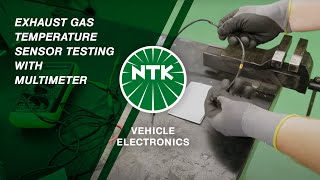
- If the wiring looks good, I’ll test the sensor itself with a multimeter, checking for proper resistance according to the manufacturer’s specs. If it’s out of range, the sensor is likely bad.
- Don’t forget to check for soot buildup on the sensor tip-sometimes cleaning it can restore function, but if it’s heavily coated or damaged, replacement is best.
It’s always better to have someone help you when checking under the vehicle, and make sure everything’s cool to the touch before you start poking around the exhaust.
Common mistakes with P2031
I’ve seen folks jump straight to replacing the sensor without checking the wiring or connector first. That’s a surefire way to waste money if the real problem is a broken wire or corroded plug. Another common mistake is overlooking small exhaust leaks-they can be sneaky and cause all sorts of sensor issues. And sometimes people skip checking for soot buildup, which is especially common on diesels. Always go through the basics before swapping parts.

How serious is obd code P2031
This isn’t something you want to ignore. While you might not notice immediate drivability problems, leaving a faulty exhaust gas temperature sensor unchecked can lead to bigger headaches. The engine computer relies on accurate temperature readings to manage emissions and protect expensive components like the DPF and DOC. If those aren’t working right, you risk clogging the DPF, damaging the catalyst, or even causing overheating in the exhaust system. Honestly, things can go south quickly if overlooked, and repairs get a lot more expensive.
Repair solutions for obd2 code P2031
Here’s what usually fixes a p2031 code, based on what I see in the field:
- Replacing the faulty exhaust gas temperature sensor (EGTS) if it’s out of spec or not responding.
- Repairing or replacing damaged wiring or connectors going to the sensor.
- Cleaning or replacing the sensor if there’s heavy soot or particulate buildup.
- Fixing any exhaust leaks near the sensor location.
- Clearing the code and verifying the repair with a scan tool to make sure the readings are back to normal and the code doesn’t return.
It’s best to use OEM parts for sensors, since aftermarket ones sometimes don’t communicate properly with the engine computer.



Conclusion
To sum it up, code P2031 means your vehicle’s exhaust gas temperature sensor (bank 1, sensor 2) isn’t working as it should, and that can throw off your emissions system. It’s important to diagnose this promptly-start with a careful check of the wiring, connector, and sensor itself. Don’t put this off, because ignoring it can lead to much bigger (and pricier) problems with your exhaust and emissions system. The most reliable fix is to address the root cause, whether it’s the sensor, wiring, or an exhaust leak, and confirm everything’s working right before you hit the road again.

 5515
5515 5 minutes of reading