
Causes for P2032 engine code
From my years in the garage and what the factory books say, here’s what usually sets off a P2032 code:
- The exhaust gas temperature sensor itself (Sensor 2 on Bank 1) gives up the ghost-heat and age are the main culprits.
- Wiring problems-think melted, chafed, or shorted wires between the sensor and the computer. I can’t count how many times I’ve found them cooked by exhaust heat.
- Shoddy electrical connections-corroded or loose plugs at the sensor or control module can easily cause a low voltage reading.
- Every now and then, a glitch inside the engine control module itself, but honestly, that’s pretty rare in my shop.
Most of the time, it’s either a bad sensor or wiring right at the sensor that’s to blame. I see this a lot on Fords, Renaults, and Peugeots, mostly because their sensor locations and harness setups make them more prone to these issues.
Symptoms of obd2 code P2032
Here’s what you’re likely to notice when this code shows up: the check engine light will be glaring at you. Sometimes, your dash might throw up warnings about emissions or the diesel particulate filter-especially if your vehicle’s fitted with one. And on diesels, don’t be surprised if the engine drops into limp mode to protect itself. You might not notice any difference in how it drives at first, but letting it ride can set you up for some real trouble later. Volvo and Citroen owners, take note-you’ll see the same symptoms, since their sensor systems work much the same as the others.

Diagnosis steps for P2032
When I’m chasing down a P2032, here’s my go-to process:
- Kick things off by checking for any other fault codes. Sometimes, a bigger underlying issue will trigger a handful of codes at once.
- Next, get your eyes on the exhaust gas temperature sensor and its wiring. Look for melted insulation, busted wires, or any connectors that look crusty or loose. Take your time-those little damaged spots are sneaky.
- If everything looks clean, unplug the sensor and check the connector for green corrosion or bent pins. Clean it up and make sure it snaps in tight. You’d be amazed how often that solves it.
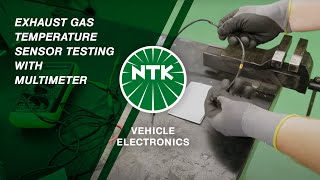
- After that, grab your multimeter and check the sensor’s resistance. Every manufacturer lists their own spec for what it should be at room temp-if your reading’s way off, that sensor’s toast.
- If the sensor checks out, test the wiring for continuity and shorts to ground. I like to have someone wiggle the harness while I watch the meter-intermittent breaks can be a real headache if you don’t catch them.
- Only after ruling out everything else do I start thinking about a possible issue with the engine control module, and honestly, that’s extremely rare.
Start simple-wiring and connectors first. You can save yourself a lot of money and hassle by not jumping straight to swapping out parts.
Common mistakes when addressing P2032 trouble code
A classic mistake I see? Folks immediately replace the sensor, skipping right over checking the wiring or connectors. That’s a fast way to toss good money after bad if the real gremlin’s a broken wire or a crusty plug. Another one: not double-checking the actual resistance specs for the sensor. Every engine’s different, and if you guess, you could end up replacing a good sensor. Pro-tip from the garage-always check the service manual for the right numbers. And don’t forget to clear the code after you’re done and see if it returns. I’ve seen more than one tech chase their tail for hours just because they skipped that step.

Seriousness of obd code P2032
You definitely don’t want to shrug this one off. Sure, it probably won’t leave you stuck on the side of the road right away, but ignoring a bad exhaust gas temperature reading can snowball into much bigger headaches. Without an accurate signal, the computer might not safeguard your turbo or particulate filter the way it should-and replacing either one is no picnic for your wallet. We’re talking possible clogged DPF, overheating, or even a fried turbo if left unchecked. Bottom line? Don’t wait-you’re playing with fire if you let this slide.
Repair recommendations for dtc P2032
Here’s how I usually tackle a P2032, and what most OEM repair guides recommend:
- If the sensor fails your resistance or voltage checks, swap it out (Bank 1, Sensor 2).
- Patch up or replace any damaged wiring or connectors between the sensor and the computer.
- Clean and tighten all the electrical connections-don’t underestimate what a solid contact can do.
- Clear the code and take it for a test drive. If the code stays gone, you’re in the clear.
- Very rarely, if you’ve checked everything else, you’ll need to dig deeper into the engine control module, but that’s last-resort territory.
And here’s a tip from years in the field: Always use OEM sensors, and don’t forget to torque them to spec. A lot of headaches can be avoided with the right parts and a calibrated wrench.



Conclusion
So, here’s the bottom line: P2032 means your car’s computer isn’t buying the exhaust gas temperature reading from Bank 1, Sensor 2-it’s showing too low, probably thanks to a short to ground. This isn’t just a random annoyance; it’s a high-priority problem that can lead to some wallet-busting repairs if you don’t act. Start with a careful inspection of the sensor and its wiring, fix any obvious faults, and only swap the sensor if it fails the proper tests. Nine times out of ten, fixing the wiring or replacing the sensor sorts it out. Don’t get fancy-stick to the basics and move quickly, and you’ll save yourself a lot of grief down the road.
 5138
5138 6 minutes of reading